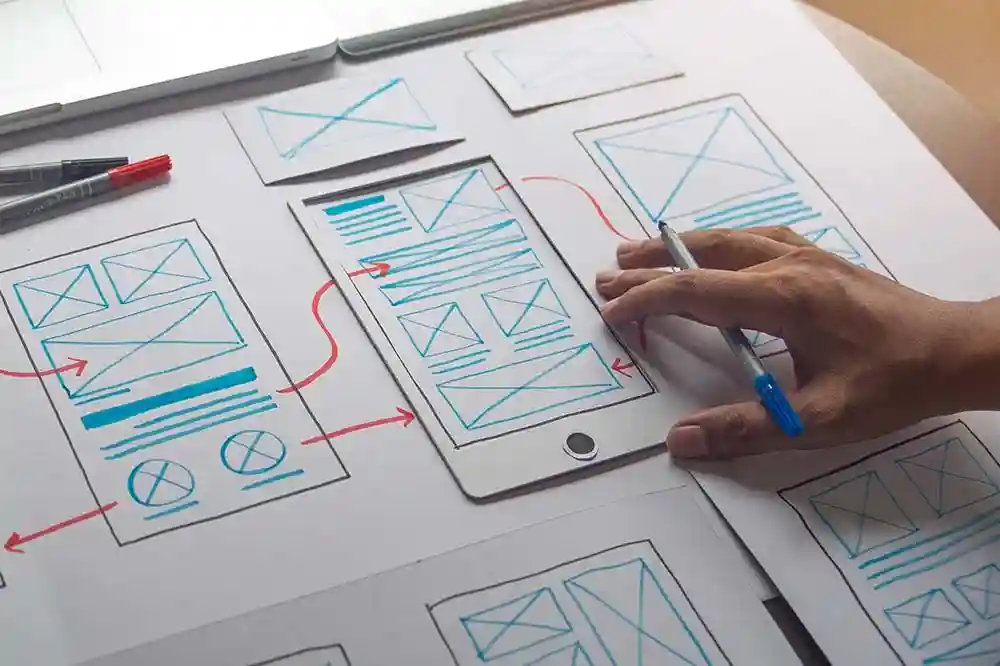
As the digital world continues to expand and evolve, the demand for skilled UX designers is on the rise. UX design, short for user experience design, is a critical component in the development of websites, apps, and software that are not only visually appealing but also intuitive and user-friendly. If you are considering a career in UX design, you may be wondering, “How long does it take to become a UX designer?” Let’s delve into the various factors that can influence the timeline to becoming a proficient UX designer.
Educational Background
One of the key factors that can impact the time it takes to become a UX designer is your educational background. While a formal education in a related field such as graphic design, psychology, computer science, or human-computer interaction can provide a solid foundation, it is not always a strict requirement. Many successful UX designers come from diverse educational backgrounds and have acquired the necessary skills through self-study, workshops, and on-the-job experience.
Skill Development
Developing the essential skills for UX design is a continuous process that involves mastering both technical and soft skills. Technical skills such as proficiency in design tools like Adobe XD, Sketch, or Figma, as well as knowledge of user research methodologies and prototyping techniques, are crucial for success in this field. Additionally, soft skills such as communication, empathy, problem-solving, and critical thinking play a significant role in shaping a well-rounded UX designer.
Practical Experience
Gaining practical experience is vital for honing your skills and building a strong portfolio as a UX designer. Internships, freelance projects, or entry-level positions in design-related roles can provide valuable hands-on experience and insights into the industry. By working on real-world projects and collaborating with cross-functional teams, you can refine your design skills, understand user needs better, and stay updated on industry trends.
Networking and Mentorship
Networking with professionals in the UX design field and seeking mentorship from experienced designers can greatly accelerate your learning curve. Attending industry events, joining design communities, and participating in workshops and conferences can help you expand your network, gain valuable insights, and stay inspired. A mentor can provide guidance, feedback, and support as you navigate your career path in UX design.
Continued Learning and Growth
The field of UX design is constantly evolving, with new technologies, tools, and methodologies emerging regularly. To stay competitive and relevant in the industry, it is essential to embrace lifelong learning and continuous growth. Engaging in professional development opportunities, taking advanced courses or certifications, and staying curious and adaptable are key to thriving as a UX designer.
Job Market and Opportunities
The job market for UX designers is diverse and offers a wide range of opportunities in various industries such as tech, healthcare, finance, e-commerce, and more. Depending on your location, experience level, and specialization, the time it takes to land a job as a UX designer can vary. Entry-level positions may require less experience, while senior roles may demand a more extensive portfolio and expertise.
Personal Growth and Career Goals
Ultimately, the time it takes to become a successful UX designer is unique to each individual and depends on personal growth, dedication, and career goals. Setting clear objectives, creating a roadmap for skill development, and consistently working towards improving your craft can significantly impact your journey as a UX designer.
Top 10 Jobs in UX Design
The field of UX design offers a wide range of career paths, each focusing on different aspects of creating meaningful and effective user experiences. Below is a breakdown of ten of the most in-demand roles in UX, along with what each one typically involves.
1. UX Designer
A UX Designer is responsible for the overall feel of a product. They focus on understanding user needs, mapping user journeys, and designing intuitive interfaces. Their work often includes wireframing, prototyping, and usability testing to ensure a seamless experience.
2. UI Designer
UI Designers concentrate on the visual and interactive elements of a product. They design layouts, buttons, icons, and other interface components, ensuring that the product is visually appealing and consistent with brand guidelines.
3. Interaction Designer
Interaction Designers specialize in how users interact with a product. They define how elements behave, focusing on animations, transitions, and feedback to create engaging and efficient user interactions.
4. User Researcher
User Researchers gather insights about user behaviors, needs, and motivations. Through methods like interviews, surveys, and usability testing, they provide data that guides design decisions and improves user satisfaction.
5. Information Architect
Information Architects organize and structure content within a product. They create site maps, navigation systems, and content hierarchies to ensure users can easily find and understand information.
6. Product Designer
Product Designers take a holistic approach, combining UX, UI, and business strategy. They are involved in the entire product lifecycle, from ideation to launch, ensuring the product meets both user needs and business goals.
7. Usability Analyst
Usability Analysts focus on evaluating how easy and efficient a product is to use. They conduct usability tests, analyze user feedback, and identify pain points to recommend improvements.
8. UX Writer
UX Writers craft the text that appears throughout a product, such as button labels, error messages, and onboarding instructions. Their goal is to make communication clear, concise, and helpful for users.
9. Visual Designer
Visual Designers focus on the aesthetics of a product. They work on typography, color schemes, imagery, and overall visual style to create a cohesive and engaging look and feel.
10. UX Manager
A UX Manager leads a team of designers and researchers. They oversee projects, set design strategies, and ensure that user experience goals align with business objectives while mentoring team members and fostering collaboration.
Conclusion
By exploring these key factors and understanding the multifaceted nature of UX design, you can chart a path towards a rewarding and fulfilling career in this dynamic field.
Key Takeaways:
- Master essential technical and soft skills for UX design.
- Gain practical experience through internships and projects.
- Embrace continuous learning and professional growth in UX design.
- Network with industry professionals and seek mentorship.
- Explore diverse job opportunities in the expanding field of UX design.
Master the art of UX design by considering the Yellowbrick Parsons UX Design Foundations online course and certificate program. Elevate your skills and embark on a successful career in the dynamic field of UX design.