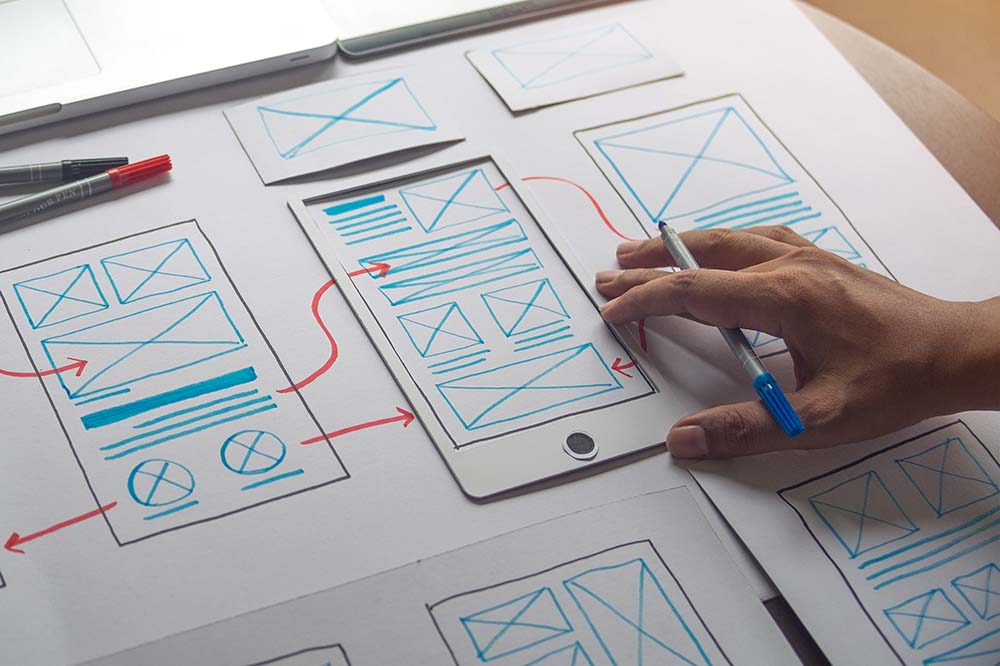
User experience (UX) design has emerged as a pivotal aspect of creating digital products that prioritize user satisfaction and usability. In the dynamic landscape of the tech industry, UX designers play a crucial role in shaping the digital experiences of users across various platforms and devices. If you are intrigued by the intersection of design, technology, and human behavior, pursuing a career as a UX designer could be a rewarding path for you.
1. UX Designer
As a UX designer, your primary focus is to enhance the overall user experience of a digital product. This encompasses understanding user needs, conducting research, creating wireframes and prototypes, and collaborating with cross-functional teams to ensure that the final product aligns with user expectations and business objectives. UX designers are instrumental in crafting intuitive and user-friendly interfaces that resonate with diverse audiences.
2. UI Designer
While UX designers concentrate on the overall user experience, User Interface (UI) designers are responsible for designing visually appealing interfaces that users interact with. UI designers work closely with UX designers to translate wireframes and prototypes into aesthetically pleasing designs that elevate usability and engagement. Proficiency in design tools, a keen eye for detail, and a strong grasp of visual design principles are essential for success in this role.
3. Interaction Designer
Interaction designers focus on designing interactive elements and animations that enhance user engagement and functionality. This role requires a deep understanding of user behavior, information architecture, and usability principles to create seamless and immersive user experiences. Collaboration with UX and UI teams is crucial for interaction designers to deliver dynamic and user-centric interfaces that transcend device boundaries.
4. UX Researcher
UX researchers delve into understanding user behaviors, needs, and motivations through a mix of qualitative and quantitative research methodologies. By conducting user interviews, surveys, and usability testing, UX researchers extract valuable insights that inform design decisions and drive product enhancements. Strong analytical skills, attention to detail, and a profound interest in deciphering user psychology are key attributes of successful UX researchers.
5. Information Architect
Information architects specialize in organizing and structuring content to enhance user experience and facilitate seamless navigation. They create sitemaps, taxonomies, and content hierarchies that enable users to access information efficiently. Collaboration with UX and content teams allows information architects to design information structures that cater to user needs while aligning with business objectives.
6. Usability Analyst
Usability analysts evaluate the usability of digital products through usability testing, heuristic evaluations, and analysis of user feedback. By identifying usability issues and recommending improvements, usability analysts contribute to optimizing the user experience and enhancing product features. Problem-solving skills, meticulous attention to detail, and a user-centric mindset are instrumental in excelling in this role.
7. UX Writer
UX writers specialize in crafting clear, concise, and engaging content that guides users through digital interfaces. From microcopy and error messages to button labels and onboarding tutorials, UX writers shape the tone and voice of a product. Effective communication skills, a deep understanding of user needs, and a knack for storytelling are essential qualities of successful UX writers.
8. Accessibility Specialist
Accessibility specialists focus on ensuring that digital products are inclusive and accessible to users of all abilities. They conduct accessibility audits, implement best practices for web accessibility, and advocate for inclusive design principles. Collaboration with design and development teams enables accessibility specialists to create products that adhere to accessibility standards while delivering a seamless experience for all users.
9. Product Designer
Product designers oversee the end-to-end design process of digital products, from concept ideation to final implementation. Working closely with product managers, engineers, and stakeholders, product designers define product requirements, create prototypes, and iterate on designs based on user feedback. By combining UX, UI, and interaction design skills, product designers deliver innovative and user-centric products that address market needs.
10. UX Manager/Director
UX managers and directors play a strategic role in leading UX teams, setting design direction, and driving user experience initiatives within organizations. This senior-level position involves managing design projects, mentoring team members, and collaborating with stakeholders to align design efforts with business objectives. Leveraging expertise in UX design and leadership, UX managers and directors foster a culture of innovation and excellence within their teams.
Conclusion
As the digital landscape continues to evolve and user expectations become more sophisticated, the demand for skilled UX designers is on the rise. Pursuing a career in UX design offers plenty of opportunities for creative individuals passionate about crafting exceptional digital experiences. Whether you are embarking on your UX design journey or aiming to advance to leadership roles, the realm of UX designer jobs presents a diverse and fulfilling career path.
Key Takeaways:
- UX design is crucial for creating intuitive, user-centered digital products
- Strong demand for UX professionals across industries
- Core roles include UX/UI design, research, and product design
- User research and data drive effective design decisions
- Collaboration is key to delivering successful user experiences
- UX combines design, technology, and business strategy