The fashion industry is a vibrant and dynamic sector that constantly evolves, driven by changing consumer preferences, emerging trends, and market dynamics. For individuals looking to embark on a career in fashion, understanding the intricacies of fashion market analysis is essential for success.
In this article, we will delve into the world of fashion market analysis, exploring its significance and highlighting the top 10 careers within the fashion industry.
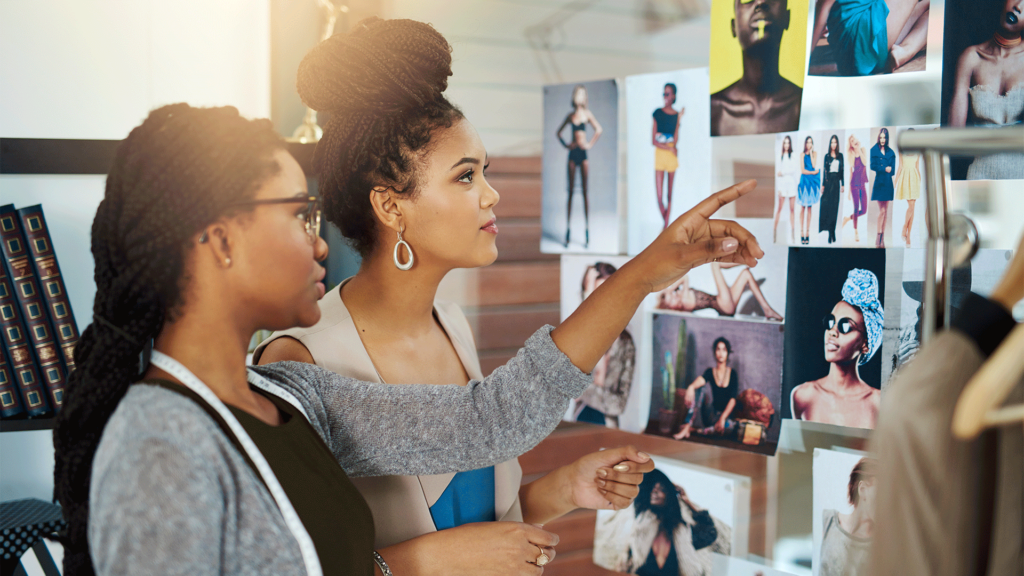
- Fashion Designer: Fashion designers are the creative visionaries behind clothing, accessories, and footwear. They conceptualize and create designs that resonate with consumers, reflect current trends, and embody the brand’s aesthetic. Fashion designers collaborate with manufacturers and merchandisers to bring their creations to life and ensure they align with market demands.
- Fashion Buyer: Fashion buyers are responsible for curating merchandise for retail stores or online platforms. They analyze consumer trends, sales data, and market insights to select products that align with the brand’s image and appeal to the target audience. Fashion buyers play a crucial role in shaping the product assortment and driving sales for fashion retailers.
- Fashion Merchandiser: Fashion merchandisers bridge the gap between design and business, ensuring the right products are available at the right time and in the right quantities. They analyze sales data, monitor inventory levels, and collaborate with designers and buyers to create cohesive product assortments that meet consumer demand and drive profitability.
- Fashion Marketer: Fashion marketers are tasked with promoting brands, products, and services to target audiences through various marketing channels. They develop marketing strategies, create engaging campaigns, and leverage market research to build brand awareness and drive sales. Fashion marketers play a critical role in understanding consumer behavior and trends to optimize marketing efforts.
- Fashion Stylist: Fashion stylists work with individuals, brands, or publications to create visually appealing and on-trend looks. They curate outfits, select accessories, and provide fashion advice for clients or editorial shoots. Fashion stylists stay informed about industry reports and trend forecasts to ensure their styling choices are relevant and fashion-forward.
- Fashion Public Relations Specialist: Fashion PR specialists manage the public image and reputation of fashion brands or individuals within the industry. They develop communication strategies, organize press events, and build relationships with media outlets to generate positive publicity. Fashion PR specialists rely on industry reports to identify market trends and consumer preferences to inform their PR campaigns.
- Fashion Photographer: Fashion photographers capture images that showcase clothing, accessories, and fashion campaigns in a visually compelling way. They collaborate with designers, stylists, and models to create captivating visuals that align with the brand’s aesthetic. Fashion photographers stay updated on industry reports and trend forecasts to ensure their work remains relevant and resonates with target audiences.
- Fashion Editor: Fashion editors oversee the content and visual direction of fashion publications, websites, or social media platforms. They curate editorial features, manage photo shoots, and collaborate with writers and designers to create engaging fashion content. Fashion editors use industry reports and trend analyses to develop editorial themes and provide valuable insights to readers.
- Fashion Retail Manager: Fashion retail managers are responsible for the daily operations of retail stores or e-commerce platforms. They oversee staff, monitor sales performance, and ensure effective product display to drive sales and enhance the shopping experience. Fashion retail managers leverage industry reports to analyze sales data, identify growth opportunities, and make strategic decisions to optimize store performance.
- Fashion Business Analyst: Fashion business analysts specialize in analyzing market trends, sales data, and consumer behavior to provide insights and recommendations for fashion brands and retailers. They conduct market research, track industry developments, and interpret data to help companies make informed decisions and drive business growth. Fashion business analysts play a crucial role in translating industry reports into actionable strategies that drive success in the competitive fashion market.
Conclusion
Fashion market analysis is a vital foundation for success in the ever-evolving fashion industry, guiding both creative and business decisions. By understanding consumer behavior, trends, and market dynamics, professionals across various roles can make informed choices that drive innovation, profitability, and brand relevance.
Key Takeaways:
- Fashion market analysis provides critical insights into trends, consumer behavior, and market opportunities.
- Data-driven decisions help professionals stay competitive and make strategic choices.
- The fashion industry offers diverse career paths spanning creative, business, and analytical roles.
- Collaboration across roles (design, marketing, merchandising) is essential for success.
- Understanding market demand ensures relevant products and effective campaigns.
- Industry insights support better sales performance, branding, and customer engagement.
- Staying updated with trends and reports enables adaptability in a fast-changing industry.
For those looking to deepen their knowledge and skills in the fashion industry, consider exploring the Parsons Fashion Industry Essentials online course and certificate program offered by Yellowbrick. This comprehensive program can provide valuable insights and practical knowledge to help you thrive in the dynamic world of fashion.