Luxury fashion trends are a reflection of the ever-evolving landscape of high-end fashion. From haute couture to exclusive designer collaborations, staying abreast of the latest trends in luxury fashion is essential for fashion enthusiasts, industry professionals, and consumers alike.
Sustainable Luxury
Sustainability has become a key focus in the luxury fashion industry. Brands are increasingly incorporating eco-friendly materials, ethical production processes, and transparent supply chains into their collections. Sustainable luxury is not just a trend but a commitment to environmental and social responsibility, resonating with conscientious consumers who value ethical practices.
Streetwear Influence
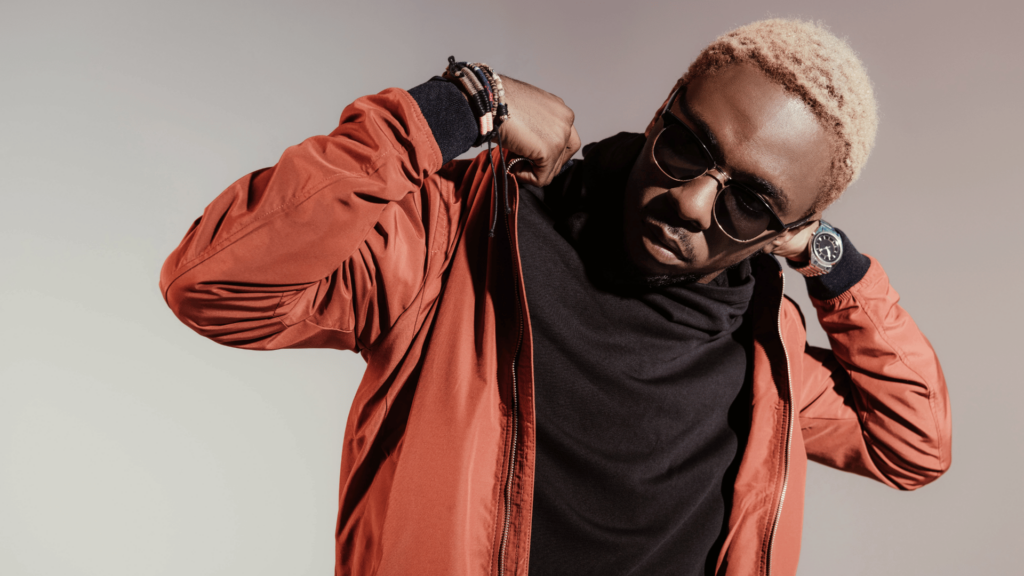
The fusion of streetwear and luxury fashion continues to shape the industry. Collaborations between high-end designers and streetwear labels have blurred the lines between casual and luxury, creating a new aesthetic that resonates with a younger, urban audience. Streetwear-inspired pieces, such as hoodies, sneakers, and logo-centric designs, have become staples in luxury collections.
Digital Innovation
The digital landscape has revolutionized the way luxury fashion brands connect with consumers. From virtual fashion shows to augmented reality shopping experiences, digital innovation has transformed the traditional fashion industry. Brands are leveraging technology to engage audiences, create immersive brand experiences, and reach global markets in innovative ways.
Gender Fluidity
The concept of gender fluidity is gaining traction in luxury fashion, challenging traditional notions of masculinity and femininity. Designers are embracing diverse expressions of gender through unisex collections, gender-neutral designs, and inclusive marketing campaigns. The shift towards gender fluidity reflects a broader cultural movement towards inclusivity and diversity.
Artisanal Craftsmanship
Craftsmanship and heritage techniques are celebrated in luxury fashion trends, with a renewed focus on artisanal skills and traditional craftsmanship. Handcrafted details, intricate embellishments, and couture-level craftsmanship are valued for their authenticity and attention to detail. Luxury brands are preserving artisanal traditions while infusing modern sensibilities into their creations.
Bold Colors and Prints
Vibrant colors and bold prints are making a statement in luxury fashion trends, adding a sense of playfulness and creativity to collections. From eye-catching patterns to vivid hues, designers are embracing maximalism and bold color combinations to create visually striking pieces that command attention. Bold colors and prints are a way for fashionistas to express individuality and make a statement.
Heritage Revival
Luxury brands are drawing inspiration from their heritage and archives, reinterpreting classic designs for a contemporary audience. The revival of iconic styles, signature motifs, and heritage craftsmanship pays homage to the brand’s legacy while appealing to nostalgia and authenticity. Heritage revival in luxury fashion reflects a desire for timeless elegance and enduring style.
Inclusive Representation
Diversity and inclusivity are driving forces in luxury fashion trends, with a growing emphasis on representation and diversity in campaigns, runway shows, and brand messaging. Brands are embracing models of diverse backgrounds, body sizes, and ages, showcasing a more inclusive vision of beauty and style. Inclusive representation in luxury fashion is not just a trend but a reflection of changing societal norms and values.
Luxury Activewear
The rise of luxury activewear has transformed the athleisure market, blurring the lines between sportswear and high fashion. Luxury brands are creating elevated activewear collections that combine performance fabrics with high-end design aesthetics. The demand for stylish and functional activewear has led to a proliferation of luxury athleisure pieces that offer both comfort and style.
Personalization and Customization
Personalization and customization are emerging trends in luxury fashion, offering consumers the opportunity to create bespoke pieces tailored to their preferences. From monogrammed accessories to made-to-measure garments, luxury brands are embracing the concept of individuality and exclusivity. Personalized luxury experiences cater to the desire for unique and personalized products in a mass-produced world.
Conclusion
Luxury fashion trends today reflect a powerful blend of innovation, heritage, and cultural evolution. As the industry adapts to changing consumer values, it embraces sustainability, inclusivity, and digital transformation while preserving craftsmanship and exclusivity. This dynamic balance allows luxury fashion to remain both timeless and forward-thinking, appealing to a new generation of conscious and style-savvy consumers.
Key Takeaways:
- Sustainable luxury highlights eco-conscious materials, ethical production, and transparency.
- Streetwear influence continues to reshape luxury with casual, youth-driven aesthetics.
- Digital innovation enhances engagement through virtual shows and immersive shopping experiences.
- Gender fluidity promotes inclusivity with unisex designs and diverse representations.
- Artisanal craftsmanship emphasizes heritage techniques and high-quality detailing.
- Bold colors and prints reflect a shift toward expressive, statement-making fashion.
- Heritage revival reinterprets classic designs for modern audiences.
- Inclusive representation showcases diversity across campaigns and runways.
- Luxury activewear blends performance, comfort, and high-end design.
- Personalization and customization cater to individuality and exclusivity.
To further develop your expertise in the fashion industry, consider enrolling in the Parsons Fashion Industry Essentials online course and certificate program offered by Yellowbrick for comprehensive knowledge and skills.