Acting for camera is a specialized skill that requires performers to adapt their craft for the nuances of on-screen performances. Whether you’re a seasoned actor looking to transition from stage to screen or an aspiring performer eager to explore the world of film and television, mastering the art of acting for the camera opens up a world of exciting opportunities in the entertainment industry.
1. Actor/Actress
The role of an actor or actress is at the forefront of on-screen performances. Bringing characters to life through compelling portrayals requires a deep understanding of the camera’s presence and how to convey emotions effectively for the screen. From intimate close-ups to dynamic wide shots, actors must adjust their performances to suit the camera’s perspective and capture the subtleties that make a character come alive on screen.
2. Voice Actor
Voice acting for camera extends beyond traditional animated roles to include voiceovers for commercials, video games, audiobooks, and more. While the camera may not capture their physical presence, voice actors must still convey emotions, intentions, and character depth through their vocal performance. Mastering the art of voice acting for camera involves understanding how to modulate tone, pace, and inflection to create engaging and authentic characters that resonate with audiences.
3. Stunt Performer
Stunt performers play a crucial role in bringing action-packed sequences to life on screen. From daring car chases to intense fight scenes, stunt performers use their physical prowess and specialized training to execute high-risk stunts that enhance the visual impact of a film or television production. Acting for the camera as a stunt performer requires precision, coordination, and a keen awareness of how movements translate on screen to ensure safety and authenticity in every stunt.
4. Stand-In
Stand-ins provide invaluable support to actors and production crews by stepping in during rehearsals and technical setups to help establish camera angles, lighting, and blocking before the principal actors take their places. Acting for camera as a stand-in involves closely observing the lead actors’ performances and physical nuances to replicate their movements and expressions accurately. A keen eye for detail and the ability to adapt quickly to on-set changes are essential skills for stand-ins working behind the scenes.
5. Casting Director
Casting directors play a crucial role in the pre-production process by selecting the right actors for roles in film, television, and commercials. Understanding how actors perform for the camera is essential for casting directors to assess an actor’s suitability for a particular role. By recognizing nuances in on-screen performances and how actors connect with the camera, casting directors can assemble a talented cast that brings the script to life and resonates with audiences.
6. Acting Coach
Acting coaches provide personalized guidance and training to actors seeking to enhance their on-screen performances. Tailoring their coaching to address the specific demands of acting for the camera, these professionals help actors refine their techniques, connect with the camera, and deliver authentic performances that captivate viewers. Acting coaches play a vital role in helping actors navigate the transition from stage to screen and develop the skills necessary for successful on-camera work.
7. Drama Therapist
Incorporating drama and theater techniques into therapy sessions, drama therapists help individuals explore emotions, build confidence, and improve communication skills. Acting for the camera in a therapeutic setting allows clients to express themselves creatively, work through emotional challenges, and develop a deeper understanding of their thoughts and feelings. Through the power of storytelling and role-playing, drama therapists create a safe and supportive environment for clients to explore personal growth and healing.
8. Entertainment Lawyer
Entertainment lawyers specialize in legal matters related to the entertainment industry, including contract negotiations, intellectual property rights, and compliance with industry regulations. Understanding the legal implications of acting for camera, entertainment lawyers provide valuable guidance to actors, production companies, and industry professionals to protect their rights and ensure legal compliance in on-screen performances. By navigating the complex legal landscape of the entertainment industry, entertainment lawyers help actors make informed decisions and safeguard their interests in a competitive industry.
9. Talent Agent
Talent agents play a pivotal role in representing actors and performers, securing auditions, negotiating contracts, and advancing their clients’ careers in the entertainment industry. Acting for the camera requires a strategic approach to securing on-screen opportunities, and talent agents leverage their industry connections, negotiation skills, and market expertise to position their clients for success. By identifying promising actors and advocating for their best interests, talent agents play a vital role in helping actors navigate the competitive landscape of on-camera work and secure rewarding roles in film and television productions.
10. Entertainment Publicist
Entertainment publicists manage the public image and media relations of actors, celebrities, and entertainment companies, shaping their clients’ narratives and enhancing their visibility in the industry. Understanding how actors present themselves for the camera is essential for entertainment publicists to craft compelling press releases, coordinate media appearances, and generate positive publicity that resonates with audiences. By leveraging their communication skills, media savvy, and industry connections, entertainment publicists help actors build and maintain a strong on-screen presence that enhances their professional reputation and career opportunities.
Conclusion
Acting for the camera offers a wealth of opportunities for performers to showcase their talent, connect with audiences, and bring memorable characters to life on screen. By mastering the nuances of on-camera performances and understanding how to adapt their craft for film and television productions, actors can unlock a world of possibilities in the dynamic and competitive entertainment industry.
Key Takeaways:
- Mastering the art of acting for camera requires performers to understand the nuances of on-screen performances and adapt their craft accordingly.
- From intimate close-ups to dynamic wide shots, actors must adjust their performances to suit the camera’s perspective and convey emotions effectively.
- Voice actors, stunt performers, stand-ins, casting directors, and other on-camera roles each contribute to the storytelling process and enhance the visual impact of productions.
- Acting coaches and drama therapists provide valuable guidance and support to help actors refine their techniques, connect with the camera, and deliver authentic performances.
- Entertainment lawyers, talent agents, and publicists play essential roles in protecting actors’ rights, securing opportunities, and managing their public image in the competitive entertainment industry.
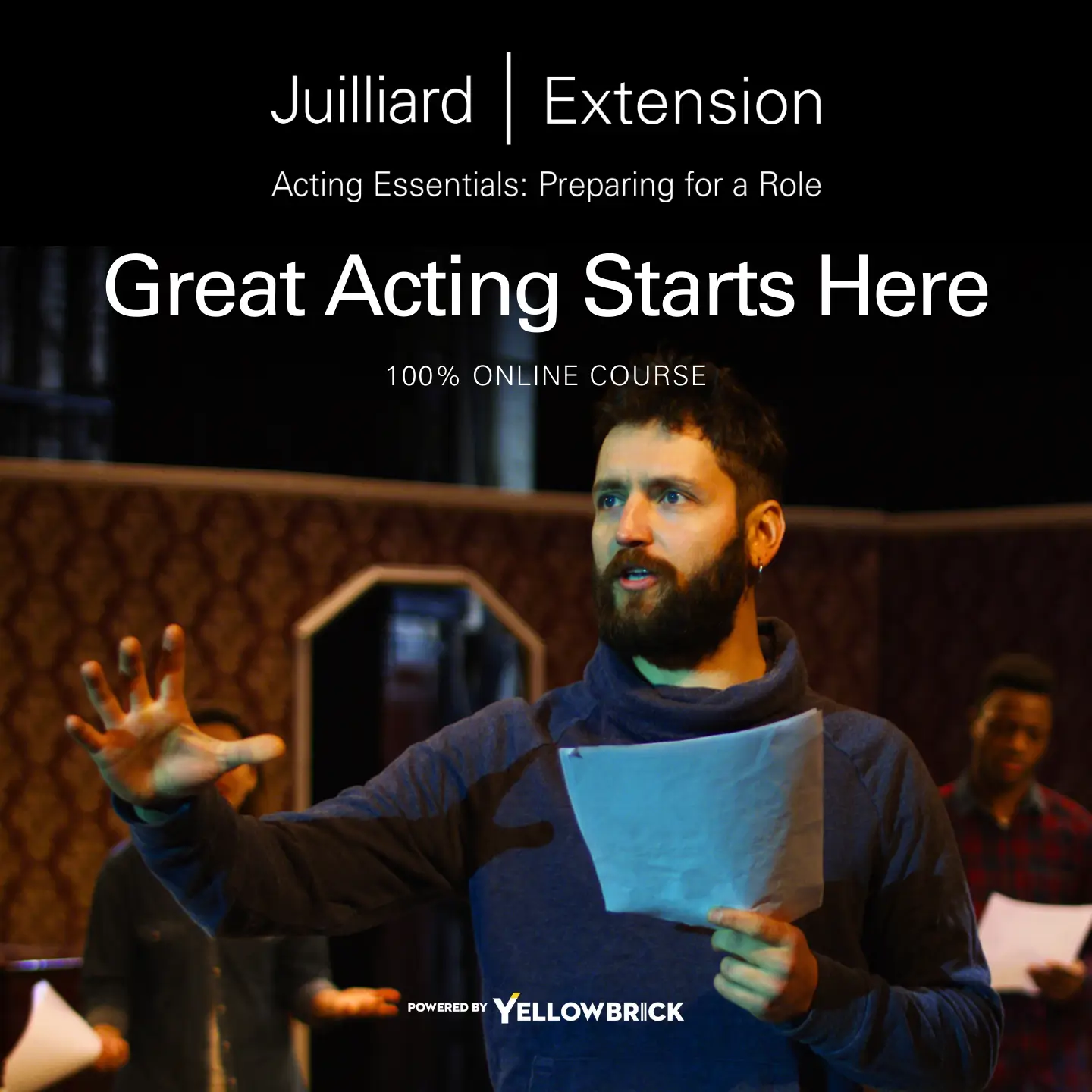
For aspiring actors looking to enhance their on-camera skills and excel in the world of acting, consider taking the Juilliard Extension Acting Essentials: Preparing for a Role online course and certificate program offered by Yellowbrick. This program provides valuable insights and tools to help you succeed in auditions, performances, and the competitive landscape of on-camera work.