Acting skills are essential for aspiring actors looking to excel in the competitive world of entertainment. Whether you are a beginner seeking to explore the fundamentals of acting or an experienced performer aiming to refine your craft, honing your acting skills is crucial for standing out in auditions and productions.
1. Method Acting
Method Acting is a popular technique that involves delving deep into the emotional and psychological aspects of a character. This approach allows actors to connect with their characters on a profound level, drawing from personal experiences to enhance their performances and immerse themselves fully in the roles they portray.
2. Meisner Technique
The Meisner Technique focuses on truthful and spontaneous reactions between actors, emphasizing listening and responding in the moment. By enrolling in a Meisner Technique course, actors can develop their instincts, improve their ability to connect with scene partners, and enhance their emotional range and authenticity on stage or screen.
3. Voice and Speech
Clear and effective communication is essential for actors to convey emotions, deliver lines convincingly, and engage audiences. A Voice and Speech course can help actors refine their vocal clarity, projection, articulation, and overall vocal performance, enhancing their storytelling abilities and bringing characters to life through their voice.
4. Shakespearean Acting
Studying the works of William Shakespeare is a valuable experience for actors looking to expand their repertoire and tackle classical theater. A Shakespearean Acting course can introduce actors to the language, themes, and characters of Shakespeare’s plays, helping them develop the skills to perform classical texts with confidence, precision, and understanding.
5. On-Camera Acting
Acting for the camera requires a different set of skills compared to stage acting, including understanding framing, blocking, and working with a camera crew. An On-Camera Acting course can teach actors how to adjust their performances for film and television, deliver natural and nuanced performances, and navigate the technical aspects of on-screen acting.
6. Comedy Acting
Comedy is a challenging genre that requires timing, delivery, and a strong sense of humor. Enrolling in a Comedy Acting course can help actors develop their comedic timing, improvisational skills, and ability to create engaging and entertaining characters, enabling them to excel in sitcoms, sketch comedy, stand-up, and comedic roles in film and theater.
7. Musical Theater
Musical theater combines acting, singing, and dancing to create dynamic and engaging performances. A Musical Theater course can help actors hone their vocal skills, learn choreography, and master the art of storytelling through song and dance, allowing them to pursue roles in Broadway productions, regional theaters, and touring musicals.
8. Audition Technique
Auditions are a crucial part of an actor’s career, and mastering audition techniques is essential for success in the industry. An Audition Technique course can provide actors with the tools to prepare monologues, scenes, and cold readings, handle nerves, and make a lasting impression on casting directors, increasing their chances of landing roles in film, television, theater, and commercials.
9. Physical Acting
Physical acting techniques focus on using the body to express emotions, create characters, and convey stories. A Physical Acting course can help actors develop their movement, gesture, posture, and physicality on stage or screen, enhancing their performances, creating dynamic characters, and engaging audiences visually.
10. Acting for Screenwriting
Understanding the fundamentals of screenwriting can benefit actors by providing insights into character development, story structure, and the filmmaking process. An Acting for Screenwriting course can teach actors how to analyze scripts, embody characters authentically, and collaborate effectively with writers and directors, enhancing their performances and contributing creatively to film and television projects.
Conclusion
By enrolling in these top acting courses, actors can equip themselves with the skills, knowledge, and practical experience needed to excel in the entertainment industry. Whether focusing on Method Acting, Meisner Technique, Shakespearean theater, or on-camera performance, investing in acting education can open up new opportunities and empower actors to thrive as versatile and skilled performers.
Key Takeaways:
- Strong acting skills are essential for standing out in auditions and succeeding in a competitive entertainment industry.
- Method Acting helps actors build emotional depth and authentic character connections.
- The Meisner Technique develops truthful, spontaneous reactions and stronger scene partner relationships.
- Voice and Speech training improve clarity, projection, and expressive storytelling through the voice.
- Shakespearean Acting strengthens language control, confidence, and classical performance skills.
- On-Camera Acting teaches performers to adjust for film and television with natural, nuanced work.
- Comedy Acting builds timing, improvisation, and the ability to create engaging, entertaining characters.
- Musical Theater combines acting, singing, and movement for dynamic, multi-skilled performances.
- Audition Technique prepares actors to present confidently and make strong impressions on casting directors.
- Physical Acting enhances storytelling through movement, posture, and visual expression.
- Understanding screenwriting helps actors analyze scripts and collaborate more effectively.
- Investing in acting education increases versatility, opportunity, and long-term career success.
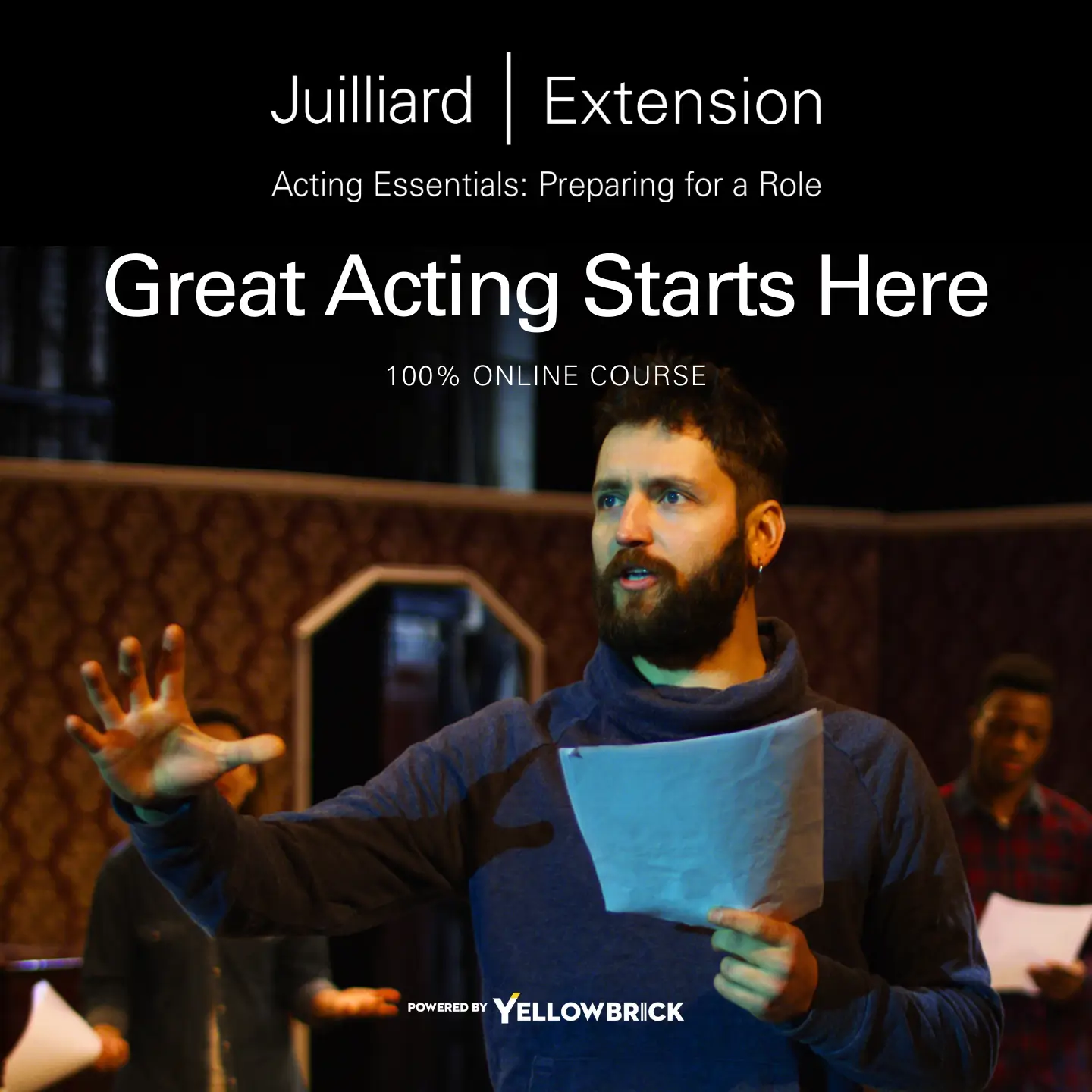
Consider enrolling in the Juilliard Extension Acting Essentials: Preparing for a Role online course and certificate program. This program can further enhance your performance skills and help you stand out in auditions and productions. Unlock your potential and pursue a successful acting career by honing your craft and continuously seeking opportunities to grow and improve as an actor.