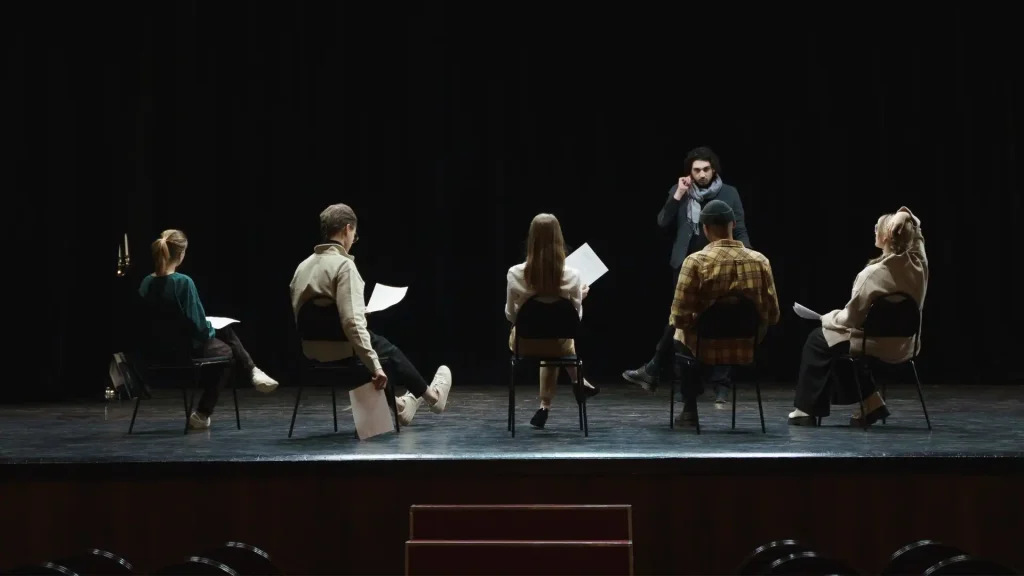
Are you an aspiring actor looking to hone your craft and take your performances to the next level? Embarking on the journey of becoming a successful actor requires dedication, training, and a deep understanding of various acting techniques. Whether you are just starting out in the industry or seeking to refine your skills, enrolling in acting classes tailored for aspiring actors can provide you with the necessary tools to succeed in the competitive world of acting.
1. Method Acting
Method acting is a widely recognized technique that has been popularized by renowned acting teachers such as Stanislavski and Lee Strasberg. This approach encourages actors to delve into their own emotions and personal experiences to connect with the characters they portray. Method actors aim to create authentic and emotionally compelling performances by immersing themselves in the thoughts, feelings, and motivations of their characters.
2. Meisner Technique
The Meisner Technique, developed by Sanford Meisner, focuses on truthful and spontaneous reactions between actors in a scene. This technique emphasizes listening and responding instinctively to scene partners, fostering organic and genuine interactions on stage. Through exercises such as repetition and emotional preparation, actors can develop a deep connection with their characters and the dynamics of the scene.
3. Viewpoints
Viewpoints is a physical improvisational technique that explores the relationship between movement, time, and space in a performance. By examining different spatial configurations, rhythms, gestures, and relationships on stage, actors using Viewpoints can create visually engaging and dynamic scenes that go beyond traditional acting approaches. This technique encourages performers to explore the physicality of their performances and enhance their stage presence.
4. Classical Acting
Classical acting techniques are rooted in the traditions of classical theater, encompassing works by playwrights such as Shakespeare and Molière. Actors studying classical acting must master heightened language, verse, and poetic dialogue while embodying characters from various time periods and cultural contexts. Training in classical acting techniques can enhance an actor’s vocal clarity, physical presence, and ability to convey complex emotions through language.
5. Improvisation
Improvisation, often referred to as improv, is a spontaneous and unscripted form of performance that challenges actors to think on their feet and react in the moment. Improv exercises help actors develop quick thinking, creativity, and the ability to collaborate effectively with others. Improvisation can be a valuable tool for actors to explore character choices, enhance comedic timing, and elevate their overall performance skills.
6. Physical Acting
Physical acting techniques emphasize the use of the body to express emotions, convey stories, and create compelling characters on stage. By focusing on movement, gesture, posture, and physicality, actors can bring a character’s inner life and motivations to life. Training in physical acting can help performers develop a greater awareness of their bodies, enhance their stage presence, and deliver visually captivating performances.
7. Voice and Speech
Voice and speech training are essential components of an actor’s toolkit, enabling them to develop clear articulation, vocal range, and the ability to project their voice effectively on stage or screen. Working with voice and speech coaches can help actors improve their diction, vocal quality, and overall vocal performance. Mastering voice and speech techniques allows actors to communicate emotions, intentions, and character traits effectively through their voice.
8. Character Analysis
Character analysis is a fundamental skill for actors to understand and embody the motivations, desires, and conflicts of the characters they portray. Through techniques such as script analysis, backstory development, and psychological profiling, actors can create fully realized and multi-dimensional characters. By delving deep into a character’s psyche and motivations, performers can bring authenticity and depth to their performances.
9. Emotional Preparation
Emotional preparation techniques help actors access and channel their emotions effectively to convey the inner life of their characters. By drawing on personal experiences, sense memory, and emotional recall, actors can connect with the emotional truth of a scene or character. Cultivating emotional vulnerability and authenticity allows performers to deliver powerful and emotionally resonant performances that resonate with audiences.
10. Character Transformation
Character transformation techniques involve physical, emotional, and psychological changes that actors undergo to fully embody a character. Through the use of makeup, costumes, props, and physicality, actors can transform their appearance and demeanor to align with the traits and characteristics of the character they are portraying. By immersing themselves in the physical and emotional aspects of a role, actors can convincingly bring diverse characters to life on stage or screen.
Conclusion
Learning a variety of acting techniques is essential for aspiring actors looking to excel in their craft and stand out in the competitive world of acting. By enrolling in acting classes that focus on these techniques, aspiring actors can expand their skill set, enhance their versatility, and elevate their performances to new heights.
Key Takeaways:
- Acting classes provide essential training to compete and succeed in the industry.
- Method Acting builds emotional truth by connecting personal experience to character.
- The Meisner Technique develops authentic, spontaneous reactions with scene partners.
- Viewpoints strengthens physical awareness, movement, and stage presence.
- Classical Acting improves vocal clarity, presence, and emotional expression through text.
- Improvisation boosts creativity, confidence, and collaboration skills.
- Physical Acting uses body language and movement to communicate character effectively.
- Voice and Speech training enhances articulation, projection, and vocal control.
- Character Analysis creates believable, layered, and motivated performances.
- Emotional Preparation adds realism and emotional depth to roles.
- Character Transformation increases versatility by fully embodying different characters.
- Learning diverse techniques expands range and elevates overall performance quality.
To further enhance your skills and propel your acting journey, consider taking the Juilliard Extension Acting Essentials: Preparing for a Role online course and certificate program offered by Yellowbrick.