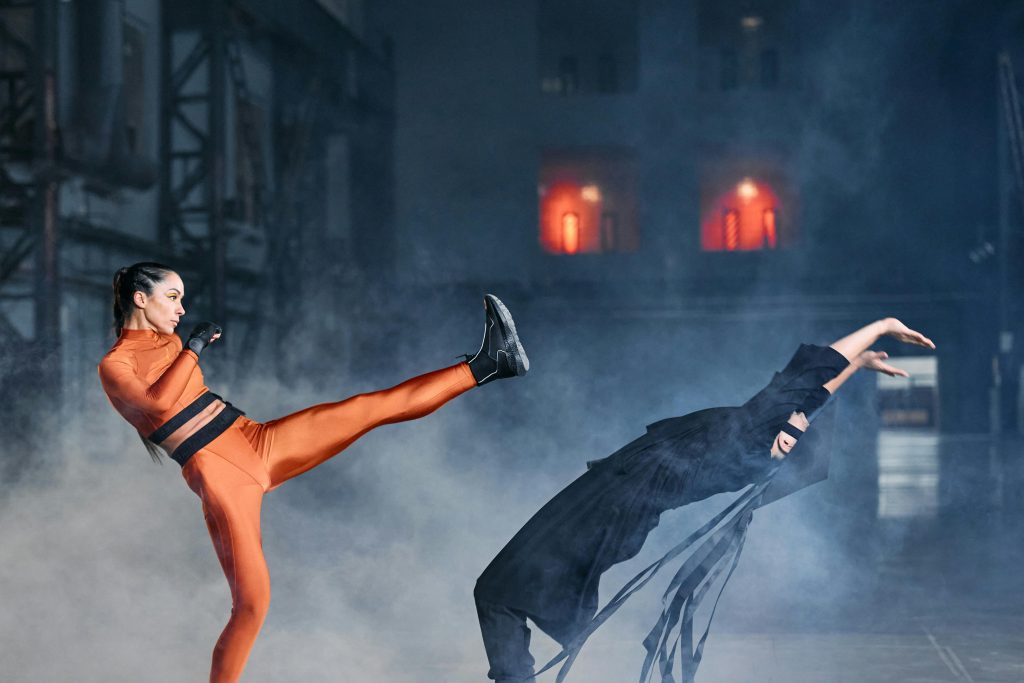
Stage combat is a crucial element of theatrical performances that adds excitement, drama, and realism to fight scenes. Whether you’re a seasoned actor or a newcomer to the stage, understanding the fundamentals of stage combat is essential for creating convincing and safe fight sequences.
In this comprehensive guide, we will delve into the world of stage combat basics, exploring key techniques, safety protocols, and tips for mastering the art of theatrical violence.
Understanding Stage Combat
Stage combat is the choreographed performance of fight scenes in a theatrical production. It involves actors simulating physical confrontations, such as sword fights, hand-to-hand combat, or duels, in a controlled and safe manner. The goal of stage combat is to create the illusion of violence while ensuring the safety of the performers and maintaining the integrity of the scene.
Safety First
Safety is paramount in stage combat. Before engaging in any fight choreography, actors must undergo proper training and adhere to strict safety protocols. This includes learning how to execute moves safely, using appropriate protective gear, and communicating effectively with scene partners to prevent accidents or injuries during performances.
Basic Techniques
Mastering the basic techniques of stage combat is essential for creating convincing fight sequences on stage. Some common techniques include punches, kicks, blocks, parries, and falls. Actors must learn how to execute these moves with precision and control to make the fight scenes look realistic while maintaining their own safety and that of their scene partners.
Partner Communication
Effective communication with your scene partner is key to successful stage combat. Clear and consistent communication ensures that both actors are on the same page regarding choreography, timing, and intensity of movements. Establishing trust and rapport with your scene partner is essential for executing fight scenes smoothly and safely.
Weapon Handling
In productions that involve weapons, such as swords, knives, or staffs, actors must receive specialized training in weapon handling and combat techniques. Proper weapon handling includes understanding the weight, balance, and safety considerations of the weapon, as well as executing choreographed strikes, parries, and flourishes with accuracy and control.
Physical Conditioning
Stage combat requires a certain level of physical fitness and conditioning to perform fight sequences effectively. Actors must maintain strength, flexibility, and endurance to execute choreography with precision and energy. Regular physical training, including strength training, cardio exercises, and flexibility drills, can help actors prepare for demanding fight scenes.
Emotional Commitment
In addition to mastering the physical aspects of stage combat, actors must also bring emotional authenticity to their fight scenes. Engaging with the emotions and motivations of their characters can enhance the dramatic impact of the fight and make the scene more compelling for the audience. Infusing your performance with emotional depth can elevate the realism and intensity of the fight sequence.
Rehearsal and Practice
Like any other aspect of a theatrical production, stage combat requires dedicated rehearsal and practice. Actors should work closely with a fight choreographer to learn and perfect choreography, refine techniques, and ensure the safety and effectiveness of fight sequences. Regular practice sessions allow actors to build confidence, muscle memory, and teamwork skills necessary for successful stage combat performances.
Feedback and Collaboration
Seeking feedback from directors, fight choreographers, and fellow actors is crucial for improving your stage combat skills. Constructive criticism and collaboration can help you refine your techniques, enhance your performance, and address any safety concerns or challenges in fight choreography. Embrace feedback as an opportunity for growth and learning in the realm of stage combat.
Continued Learning
Stage combat is a dynamic and evolving art form that offers endless opportunities for learning and growth. Consider taking advanced stage combat classes, attending workshops, or participating in fight intensives to expand your skills and knowledge in theatrical combat. Continued learning and exploration can elevate your proficiency in stage combat and open doors to exciting performance opportunities in the theater world.
Conclusion
Being proficient in stage combat requires dedication, skill, and a commitment to safety and authenticity in performance. By honing your techniques, prioritizing safety, and embracing the creative challenges of fight choreography, you can become a proficient and compelling stage combat performer.
Key Takeaways:
- Stage combat creates the illusion of violence while keeping performers safe.
- Safety and proper training are the top priorities in all fight choreography.
- Master basic techniques like strikes, blocks, parries, and falls with control.
- Clear communication and trust with your partner ensure smooth, safe scenes.
- Proper weapon handling is essential when using swords or other props.
- Physical conditioning supports strength, flexibility, and endurance for combat.
- Emotional commitment makes fight scenes more believable and dramatic.
- Consistent rehearsal builds precision, timing, and confidence.
- Feedback and collaboration improve both performance and safety.
- Continued training helps actors grow in stage combat skills.
For further advancement in the performing arts industry, consider enrolling in the NYU Performing Arts Industry Essentials online course and certificate program offered by Yellowbrick. This comprehensive program can provide you with the knowledge, skills, and insights needed to excel in the world of entertainment.