Mastering the art of self-tape auditions is crucial for actors in today’s digital age. One key aspect that can make or break a self-tape audition is the lighting setup. Proper lighting can enhance your performance, make your video look more professional, and ultimately increase your chances of landing the role you desire.
Setting Up Your Self-Tape Lighting
When it comes to setting up your self-tape lighting, there are a few key factors to consider. The first and most important factor is the quality of light. Natural light is often the best option for self-tapes as it provides a soft, flattering glow that can make you look your best on camera. If natural light is not available or consistent, investing in a good quality LED ring light or softbox can also yield great results.
Placement of Lights
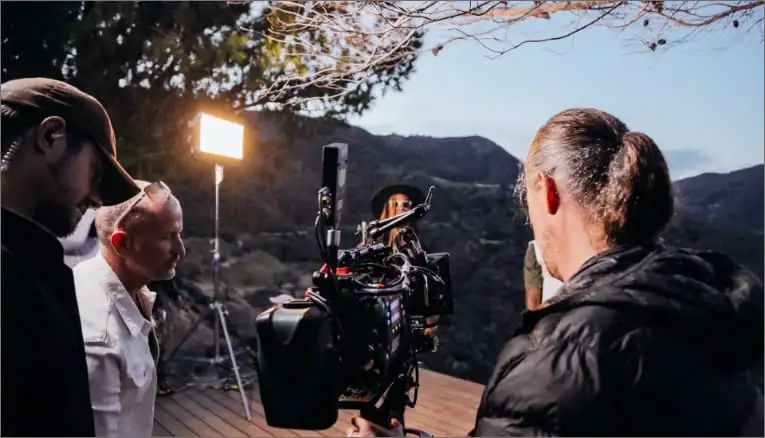
Another important consideration when setting up your self-tape lighting is the placement of the lights. The key is to achieve even lighting across your face without creating harsh shadows. Positioning your lights at a 45-degree angle to the left and right of the camera can help achieve this effect. Additionally, using a third light as a backlight can help separate you from the background and add depth to your video.
Color Temperature
Color temperature is also a crucial aspect of self-tape lighting setup. The color temperature of light is measured in Kelvin, with cooler temperatures appearing more blue and warmer temperatures appearing more yellow. For self-tapes, it is generally recommended to use lights with a color temperature of around 5600K, which closely resembles natural daylight.
Background Considerations
In addition to the quality, placement, and color temperature of the lights, it is important to consider the background of your self-tape. A plain, neutral-colored background is typically the best choice as it will not distract from your performance. Avoid busy or cluttered backgrounds that can take the focus away from you.
Practical Tips for Best Results
Now that you have a basic understanding of self-tape lighting setup, let’s delve into some practical tips to help you achieve the best results. Firstly, always do a test recording before your actual self-tape audition to ensure that your lighting setup is working effectively. Adjust the position and intensity of the lights as needed to achieve the desired effect.
Furthermore, pay attention to your camera settings when recording your self-tape. Adjusting the exposure and white balance settings on your camera can help ensure that your video looks professional and well-lit. It is also important to frame your shot correctly, with your face well-lit and clearly visible to the camera.
Conclusion
Familiarizing your self-tape lighting setup is essential for enhancing your auditions and increasing your chances of success in the competitive acting industry. Remember to prioritize the quality, placement, and color temperature of your lights, as well as the background of your self-tape to create a professional and engaging video. By following the tips and tricks shared in this guide, you can elevate your self-tape game and make a lasting impression on casting directors.
Key Takeaways
- Natural light or quality LED lights are ideal for self-tapes.
- Position lights to achieve even lighting and avoid harsh shadows.
- Maintain a color temperature of around 5600K for a natural look.
- Use a plain, neutral background to keep the focus on your performance.
- Test your setup before recording and adjust as needed for optimal results.
For further guidance and industry-relevant training, consider enrolling in the NYU Performing Arts Industry Essentials online course and certificate program offered by Yellowbrick. Enhance your skills, expand your knowledge, and elevate your acting career with this comprehensive curriculum. Embark on a fulfilling journey towards success in the world of performing arts.