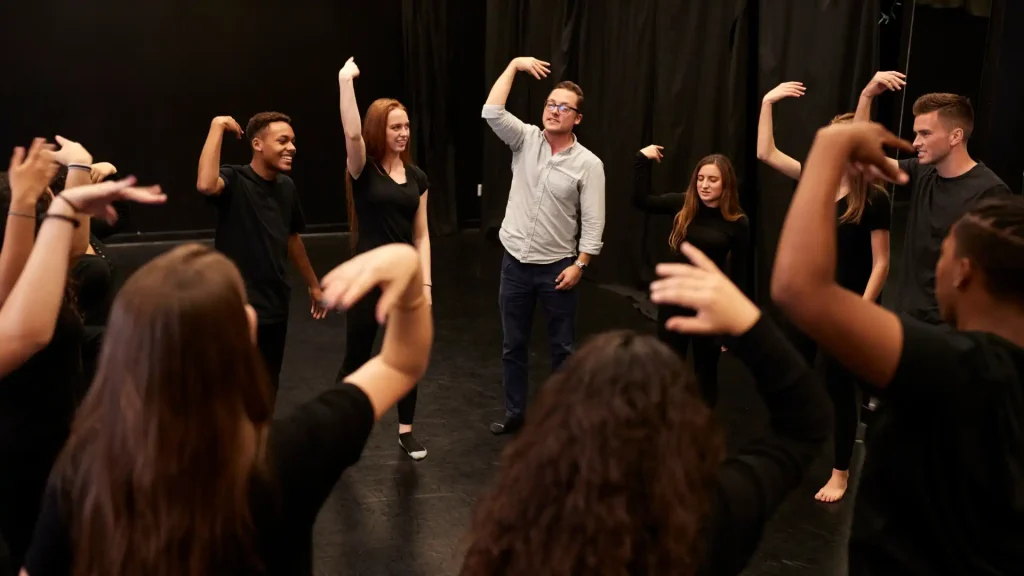
Acting is a skill that grows through practice, exploration, and confidence. For beginners, the best way to improve is not only by studying theory but by actively engaging in exercises that strengthen creativity, emotional truth, and stage presence. Acting exercises help performers become more comfortable with their bodies, voices, imagination, and interaction with others. By practicing regularly, beginners can build a strong foundation and develop habits that lead to powerful and natural performances.
Why Acting Exercises Matter
Acting exercises train both the mind and the body. They help beginners break self-conscious habits, improve focus, and develop emotional awareness. Instead of worrying about being perfect, exercises encourage actors to experiment and take risks. This creates freedom, which is essential for believable performance.
Exercises also improve listening, reaction, and spontaneity. Acting is not just speaking lines; it is responding truthfully in the moment. With consistent training, beginners become more confident, expressive, and adaptable in different acting situations.
Warming Up the Body and Voice
Before performing, actors must prepare physically and vocally. A relaxed body and supported voice allow emotions and movement to flow naturally. Simple stretches release tension in the neck, shoulders, and spine, making posture stronger and more open.
Vocal warm-ups such as humming, lip trills, and breathing from the diaphragm help improve projection and clarity. Practicing articulation exercises also strengthens pronunciation so dialogue sounds natural and confident. These warm-ups prepare beginners to perform without strain or stiffness.
Imagination and Concentration Exercises
Strong acting depends on imagination and focus. One useful exercise is sense memory, where actors imagine smells, textures, sounds, and temperatures to make scenes feel real. This helps performers react honestly instead of pretending.
Another important activity is concentration work, such as observing a simple object and describing it in detail. These exercises train the mind to stay present, reducing nervous habits and increasing emotional connection during scenes.
Improvisation for Creativity
Improvisation exercises are powerful tools for beginners. They remove the pressure of memorization and allow actors to explore natural reactions. Simple improv games teach actors to listen, accept ideas, and build scenes moment by moment.
Through improvisation, beginners learn timing, confidence, and emotional flexibility. It also strengthens communication skills and teaches performers to trust their instincts instead of overthinking every choice.
Emotional and Character Exercises
To grow as an actor, beginners must explore emotions and character behavior. One exercise is emotional recall, where performers connect scenes to personal experiences in a healthy and controlled way. This adds depth and authenticity to performance.
Character walks are also helpful. Actors experiment with posture, tempo, and movement to discover how different characters physically express themselves. These exercises help transform actors from simply playing themselves into creating believable roles.
Scene and Monologue Practice
Practicing short scenes and monologues is essential for applying technique. Beginners should start with simple material and focus on objectives, listening, and truthful reactions. Instead of performing for effect, actors learn to pursue what the character wants.
Recording practice sessions allows beginners to observe habits, voice control, and emotional clarity. This self-awareness supports steady improvement and confidence in auditions and performances.
Building Consistency and Confidence
Progress in acting comes from consistency. Practicing exercises regularly builds discipline and comfort on stage or camera. Beginners should treat training as part of daily routine, even if only for a short time each day.
Confidence grows when actors accept mistakes as part of learning. Each exercise is a step forward, strengthening creativity, presence, and emotional honesty.
Conclusion
Boosting your acting skills begins with simple, focused exercises. From warming up the body and voice to exploring imagination, improvisation, and character work, beginners can develop strong foundations through practice. Acting is not about perfection but about growth, curiosity, and truth. With dedication and the right exercises, every beginner can build confidence and unlock their potential as a performer.
Key Takeaways:
- Regular practice is essential for improving acting skills.
- Warm-ups prepare the body and voice for natural performance.
- Improv builds creativity, listening, and confidence.
- Emotional and character exercises create believable roles.
- Scene and monologue work apply the technique in real situations.
- Consistency and openness to mistakes drive long-term growth.
Consider taking the NYU Performing Arts Industry Essentials online course and certificate program offered by Yellowbrick to further enrich your skills and gain valuable insights into the world of performing arts. Explore the opportunities that await you in the realm of acting and step into the spotlight with confidence and proficiency.