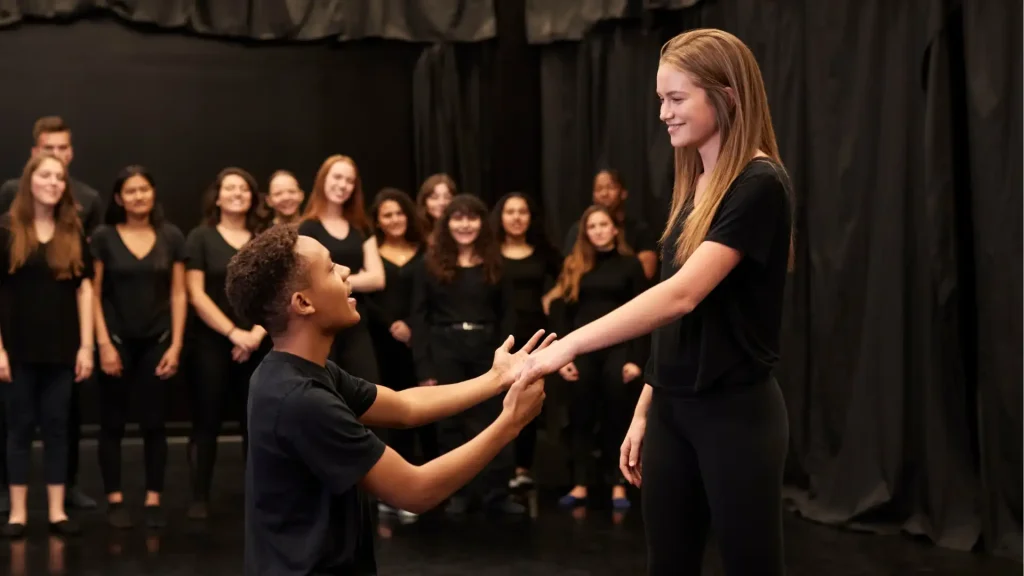
Drama techniques are essential tools for actors to breathe life into characters, engage audiences, and convey emotions effectively. Whether you’re a seasoned performer or just starting your acting journey, mastering various drama techniques can enhance your skills and set you apart in auditions and performances. In this comprehensive guide, we delve into a range of drama techniques that can help you elevate your acting prowess and deliver compelling performances.
Character Development
One of the foundational aspects of acting is character development. Understanding your character’s background, motivations, desires, and conflicts is crucial for creating a believable and multi-dimensional portrayal. Dive deep into your character’s psyche to embody their essence authentically.
Emotional Recall
Emotional recall is a powerful technique that involves drawing upon personal memories and experiences to evoke genuine emotions in a performance. By tapping into your own emotional reservoir, you can infuse your acting with authenticity and depth, connecting with audiences on a visceral level.
Improvisation
Improvisation is a valuable skill for actors to think on their feet, react spontaneously, and explore creative impulses. Through improvisational exercises and games, actors can sharpen their wit, enhance their spontaneity, and cultivate a sense of playfulness that enriches their performances.
Voice Modulation
Effective communication in acting relies heavily on voice modulation. Mastering vocal techniques such as projection, pitch variation, pace, and articulation can help actors convey a range of emotions, create emphasis, and engage audiences with their delivery. Practice vocal exercises to develop a versatile and expressive voice.
Physicality and Movement
Physicality and movement play a significant role in conveying character traits, emotions, and intentions non-verbally. Understanding body language, gestures, posture, and spatial awareness can enhance your physical presence on stage or screen, adding depth to your performances.
Text Analysis
Analyzing scripts and dissecting dialogue is essential for actors to comprehend the nuances of a scene, character relationships, subtext, and thematic elements. By delving into the text, actors can make informed choices, uncover layers of meaning, and bring authenticity to their interpretations.
Sense Memory
Sense memory involves using sensory cues to recall past experiences and sensations, enriching the emotional truth of a performance. By engaging all five senses—sight, sound, touch, taste, and smell—actors can create vivid, emotionally resonant portrayals that resonate with audiences.
Ensemble Work
Collaboration and ensemble work are integral to the theatrical experience. Building trust, rapport, and chemistry with fellow actors fosters a sense of unity and cohesion on stage, leading to dynamic and impactful ensemble performances that elevate the overall production.
Mime and Gesture
Mime and gesture are expressive tools that allow actors to communicate non-verbally, depicting objects, actions, and emotions through physical movement. Developing precision, clarity, and intentionality in mime and gesture work can enhance storytelling and character portrayal.
Breath Control and Relaxation
Breath control and relaxation techniques are essential for actors to manage performance anxiety, maintain focus, and sustain vocal and physical stamina. Practice deep breathing exercises, meditation, and relaxation techniques to center yourself, release tension, and access your creative energy.
Conclusion
Mastering these drama techniques requires dedication, practice, and a willingness to explore and expand your artistic boundaries. By incorporating these techniques into your training and performances, you can deepen your craft, connect with characters on a profound level, and captivate audiences with your authenticity and artistry.
Key Takeaways:
- Master character development to create multi-dimensional portrayals.
- Harness emotional recall for authentic performances that resonate.
- Cultivate improvisation skills to enhance spontaneity and creativity.
- Utilize voice modulation to convey emotions effectively.
- Embrace physicality and movement to add depth to performances.
- Dive into text analysis for informed character interpretations.
- Engage sense memory to enhance emotional truth in portrayals.
- Prioritize ensemble work for cohesive and impactful performances.
- Develop mime and gesture skills for expressive non-verbal communication.
- Practice breath control and relaxation for performance, stamina, and focus.
Elevate your acting skills further by considering enrolling in the Yellowbrick’s NYU Performing Arts Industry Essentials online course and certificate program. Unlock your potential and take significant strides in your acting career.