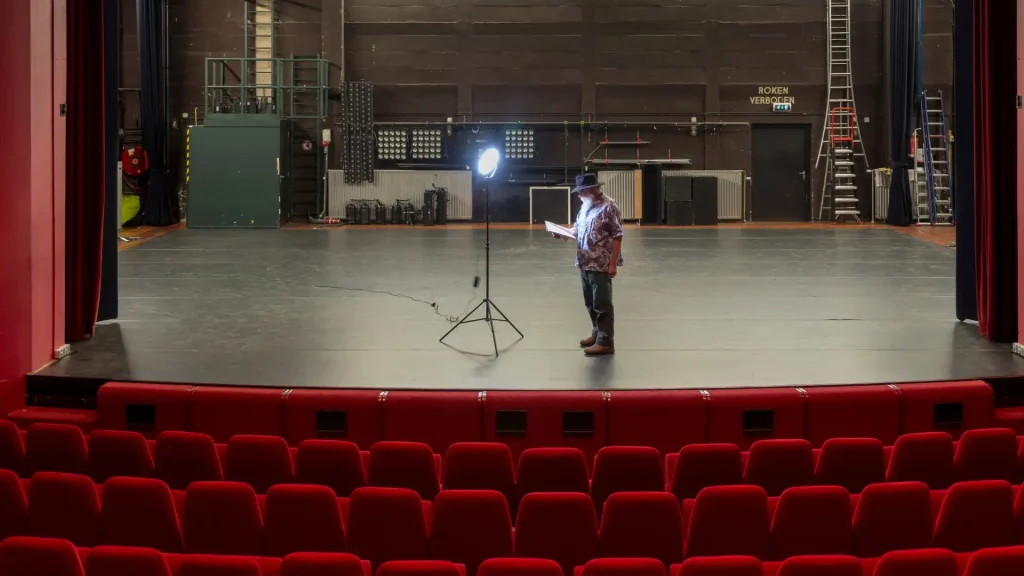
Theatre design plays a crucial role in creating immersive and captivating experiences for audiences. From set design to lighting, sound, and costumes, every aspect of theatre design contributes to the overall ambiance and storytelling on stage. In this comprehensive guide, we will delve into the world of theatre design, exploring its significance, key elements, and the diverse career opportunities available in this dynamic field.
1. Set Design
Set design is a fundamental aspect of theatre production, setting the stage and creating the world in which the story unfolds. Set designers work closely with directors and other production team members to conceptualize and execute the physical environment of a play. From elaborate, multi-level sets to minimalist designs, set designers use their creativity and technical skills to bring the script to life visually.
2. Lighting Design
Lighting design is essential for setting the mood, highlighting key elements on stage, and creating visual interest. Lighting designers use a combination of light fixtures, colors, and intensities to enhance storytelling and evoke emotions in the audience. Whether creating dramatic shadows, soft ambiance, or vibrant colors, lighting design plays a crucial role in shaping the overall aesthetic of a production.
3. Sound Design
Sound design encompasses all auditory elements in a theatrical performance, including music, sound effects, and ambient noise. Sound designers work to create a soundscape that complements the action on stage, enhances the mood, and immerses the audience in the world of the play. From subtle background sounds to impactful cues, sound design adds depth and dimension to the theatrical experience.
4. Costume Design
Costume design is integral to defining characters, time periods, and themes in a production. Costume designers collaborate with directors and performers to create costumes that reflect the personalities and journeys of the characters. From historical accuracy to fantastical creations, costume design plays a vital role in bringing characters to life and enhancing the visual storytelling on stage.
5. Prop Design
Props are essential elements that enrich the setting and narrative of a play. Prop designers source, create, and maintain props that actors interact with on stage, adding realism and detail to the production. From period-specific objects to custom-made pieces, prop design contributes to the authenticity and immersive quality of a theatrical performance.
6. Projection Design
Projection design involves the use of digital media and visuals to enhance the scenic elements and storytelling in a production. Projection designers create dynamic backgrounds, animations, and video sequences that can transform the stage and create immersive environments. Incorporating cutting-edge technology and creativity, projection design adds a contemporary and visually striking element to theatre productions.
7. Special Effects Design
Special effects design encompasses a range of techniques and technologies used to create magical, supernatural, or extraordinary moments on stage. From pyrotechnics to mechanical effects, special effects designers work to awe and surprise audiences with their innovative creations. Safety and precision are paramount in special effects design, ensuring that the magic unfolds seamlessly and safely during performances.
8. Environmental Design
Environmental design focuses on creating immersive and interactive experiences for audiences by transforming the physical space of a theatre. Environmental designers utilize spatial design, interactive elements, and sensory experiences to engage and captivate theatergoers. From site-specific installations to interactive performances, environmental design pushes the boundaries of traditional theatre and invites audiences to participate in unique and memorable experiences.
9. Puppetry Design
Puppetry design combines artistry, mechanics, and storytelling to bring puppet characters to life on stage. Puppet designers create custom puppets, mechanisms, and movements that enhance the narrative and emotional impact of a production. From intricate marionettes to larger-than-life puppet creations, puppetry design adds a magical and whimsical element to theatrical performances.
10. Multimedia Design
Multimedia design integrates various digital technologies, such as video, animation, and interactive elements, into theatrical productions. Multimedia designers collaborate with directors and production teams to create immersive and dynamic visual experiences that blend live performance with digital media. From interactive projections to virtual reality elements, multimedia design pushes the boundaries of traditional theatre and offers innovative ways to engage audiences.
Conclusion
Theatre design encompasses a wide range of creative disciplines and technical skills that come together to create memorable and impactful theatrical experiences. Whether designing sets, lighting, sound, costumes, props, projections, special effects, environments, puppetry, or multimedia elements, theatre designers play a vital role in shaping the visual and sensory aspects of a production.
Key Takeaways:
- Theatre design is crucial in creating immersive and memorable experiences, combining visual, auditory, and spatial elements.
- Each design element (sets, lighting, sound, costumes, props, projections, special effects, environments, puppetry, multimedia) contributes uniquely to storytelling.
- Collaboration between designers, directors, and performers is essential for a cohesive production.
- Technical skill and creativity are equally important in bringing scripts and characters to life.
- Modern theatre increasingly incorporates digital and interactive technologies to engage audiences in innovative ways.
- Attention to detail, authenticity, and safety enhances audience immersion and overall production quality.
- Theatre design is a dynamic field offering diverse career opportunities across traditional and contemporary disciplines.
If you are passionate about theatre design and aspire to pursue a career in this dynamic field, consider enhancing your skills and knowledge by enrolling in the NYU Performing Arts Industry Essentials online course and certificate program. This comprehensive program can provide you with valuable insights, practical experience, and industry expertise to kickstart your journey towards a successful and fulfilling career in theatre design.