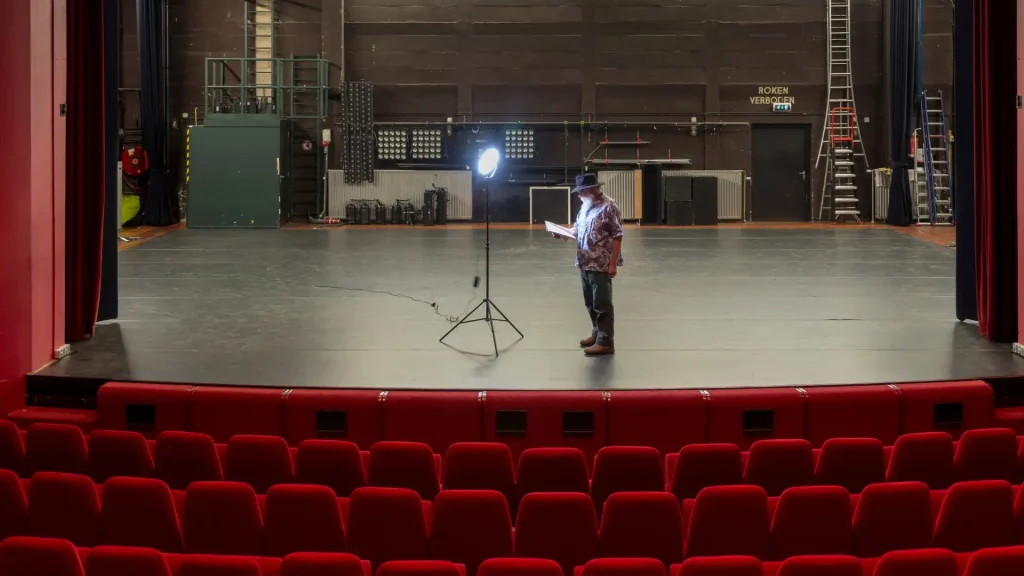
Theatre performance is a powerful art form that thrives on live storytelling, strong presence, and a direct connection with the audience. Unlike film, theatre demands clarity, energy, and consistency from start to finish. Whether you are a beginner or an experienced performer, mastering essential theatre techniques can greatly improve your confidence and effectiveness on stage.
Understand the Nature of Live Performance
In theatre, there are no retakes. Every performance unfolds in real time, which means actors must stay focused, adaptable, and fully present. Mistakes happen, but strong performers know how to recover smoothly without breaking character.
Embrace the live nature of theatre and use the audience’s energy to fuel your performance rather than distract you.
Develop Strong Vocal Projection
Your voice is one of your most important tools on stage. Unlike film acting, theatre requires projection so that every audience member can hear and understand you.
Key vocal tips include:
- Speak clearly and articulate every word
- Use breath support rather than shouting
- Adjust volume without losing emotional truth
Proper warm-ups before each performance help protect your voice and maintain consistency.
Use Your Body Expressively
Theatre performance relies heavily on physical expression. Since the audience may be seated far from the stage, your movements and gestures must be clear and purposeful.
Be aware of:
- Posture and alignment
- Controlled gestures
- Confident stage presence
Every movement should support the character and story, not distract from it.
Master Stage Awareness
Understanding the stage space is essential for effective theatre performance. Actors must be conscious of their positioning, known as blocking, and how it affects visibility and storytelling.
Always:
- Face the audience when possible
- Share focus with scene partners
- Use the full stage intentionally
Good stage awareness ensures your performance is seen and understood.
Build Emotional Connection
Theatre requires sustained emotional energy. You must commit fully to each scene and maintain emotional truth from beginning to end.
Focus on your character’s objectives and motivations. When emotions are grounded in purpose, performances feel authentic rather than exaggerated.
Listen and React in Real Time
Live theatre depends on active listening. Every performance is slightly different, and genuine reactions keep scenes fresh and believable.
Stay connected to your fellow actors. Respond honestly to what is happening in the moment rather than relying on rehearsed reactions.
Maintain Energy and Focus
Theatre performances demand stamina. You must maintain energy, concentration, and consistency throughout the entire show.
To stay focused:
- Establish a pre-show routine
- Stay mentally present backstage
- Recover quickly from mistakes
Professional discipline helps ensure strong performances night after night.
Work with the Audience
Unlike film, theatre includes a visible, breathing audience. Their reactions—laughter, silence, or applause—are part of the experience.
Acknowledge their presence without breaking character. Use their energy to enhance timing and emotional impact.
Final Theatre Performance Tips
- Commit fully to your character
- Be adaptable and responsive
- Trust rehearsal and preparation
- Respect the ensemble and crew
Conclusion
Theatre performance is a dynamic blend of voice, movement, emotion, and connection. By developing strong vocal and physical techniques, maintaining focus, and embracing the live nature of the stage, performers can create powerful and memorable theatrical experiences. Great theatre acting is not about exaggeration—it is about clarity, commitment, and truthful storytelling in front of a live audience.
Key Takeaways:
- Theatre performance is a live art form that requires strong presence, clarity, and sustained energy from start to finish.
- There are no retakes on stage, so actors must stay focused, adaptable, and in character at all times.
- Vocal projection is essential; clear articulation and proper breath support ensure the audience can hear and understand every line.
- Physical expression matters—posture, movement, and gestures should be purposeful and visible to the entire audience.
- Strong stage awareness and effective blocking help make performances clear, engaging, and visually balanced.
- Emotional truth must be maintained throughout the performance by staying connected to character goals and motivations.
- Active listening and genuine reactions keep live performances fresh and believable.
- Consistency, stamina, and mental focus are key to delivering strong performances night after night.
- Audience energy is part of theatre; skilled performers use it to enhance timing and emotional impact without breaking character.
- A successful theatre performance is built on commitment, preparation, teamwork, and truthful storytelling.