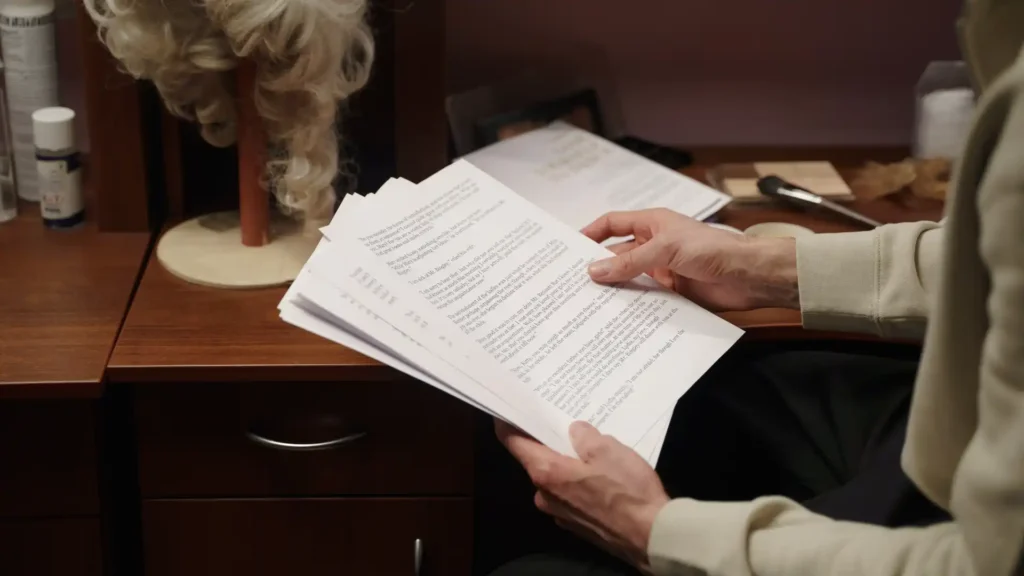
Script coverage jobs are a vital part of the entertainment industry, offering opportunities for individuals passionate about screenwriting and storytelling to make a significant impact on the development of film and television projects. Aspiring professionals seeking script coverage jobs play a crucial role in evaluating scripts, providing feedback to writers, and helping production companies and studios make informed decisions about the potential of a screenplay. This article explores the world of script coverage jobs, including the responsibilities, skills required, career paths, salaries, and tips for success in this competitive field.
Responsibilities of Script Coverage Jobs
Script coverage jobs involve reading and analyzing scripts to provide detailed reports and feedback to industry professionals. The primary responsibilities of individuals in script coverage jobs typically include:
- Script Evaluation: Reading and analyzing screenplays to assess their strengths, weaknesses, and market potential.
- Writing Coverage Reports: Summarizing key elements of a script, including plot, characters, dialogue, and overall storytelling effectiveness.
- Providing Feedback: Offering constructive feedback and suggestions for script improvement to support writers and filmmakers in enhancing their work.
- Research and Analysis: Conducting market research and staying informed about industry trends to evaluate the commercial viability of a script.
- Collaboration: Communicating with producers, development executives, and creative teams to discuss script evaluations and development opportunities.
Skills Required for Script Coverage Jobs
To excel in script coverage jobs, individuals need a combination of creative insight, analytical skills, and industry knowledge. Some essential skills required for script coverage jobs include:
- Storytelling Acumen: A deep understanding of narrative structure, character development, and genre conventions.
- Critical Thinking: The ability to critically analyze scripts and provide constructive feedback for improvement.
- Writing Proficiency: Strong writing skills to articulate detailed coverage reports and feedback in a clear and concise manner.
- Industry Awareness: Knowledge of current trends in film and television, as well as an understanding of audience preferences and market demands.
- Communication Skills: Effective communication and interpersonal skills to collaborate with writers, producers, and industry professionals.
- Time Management: The ability to work efficiently under tight deadlines and manage multiple script evaluations simultaneously.
Career Path for Script Coverage Jobs
Individuals interested in pursuing script coverage jobs may start their careers as script readers or interns at production companies, talent agencies, or literary management firms. Gaining hands-on experience in script evaluation and feedback can lead to opportunities for advancement in the industry. As professionals gain expertise and build a strong reputation for providing insightful coverage, they may progress to roles such as script analyst, story editor, or development executive.
Top 10 Jobs in the Script Coverage Field
From evaluating scripts and shaping narratives to guiding projects through development and production, these roles play a crucial part in deciding which stories move forward in the film and television industry. Below are the top 10 jobs in the script coverage field that combine creative insight with industry influence.
- Script Reader: Responsible for reading and evaluating scripts, providing detailed coverage reports and recommendations to industry professionals.
- Script Analyst: Specializes in in-depth script analysis, offering comprehensive feedback on story structure, character development, and thematic elements.
- Development Executive: Oversees script development and acquisition for production companies, guiding projects from script to screen.
- Story Editor: Collaborates with writers and filmmakers to refine scripts, develop story arcs, and enhance narrative coherence.
- Literary Manager: Represents screenwriters and playwrights, guiding script development, career strategy, and industry connections.
- Creative Executive: Works closely with producers and writers to identify promising scripts, develop projects, and oversee creative aspects of production.
- Script Consultant: Offers professional script analysis and consulting services to writers, filmmakers, and production companies seeking expert feedback.
- Screenplay Doctor: Specializes in script revision and enhancement, helping writers polish their screenplays for production or submission.
- Film Producer: Manages the production process, from script development to distribution, overseeing creative and logistical aspects of film projects.
- Film Executive: Occupies leadership roles in film studios or production companies, shaping the creative direction and strategic decisions for script development and production.
Salaries and Job Outlook for Script Coverage Jobs
The salaries for script coverage jobs can vary depending on factors such as experience, location, and industry sector. Entry-level script readers may start with hourly rates or per-script fees, while experienced script analysts and development executives can earn competitive salaries. According to industry sources, script readers may earn $25 to $50 per script, while script analysts with more experience could command higher rates. The job outlook for script coverage professionals is influenced by the demand for new content in the entertainment industry and the ongoing need for script evaluation and development expertise.
Networking and Building Your Portfolio in Script Coverage
Networking plays a crucial role in advancing a career in script coverage, as connections with industry professionals can lead to job opportunities and collaborations. Attending industry events, film festivals, and scriptwriting workshops can help script coverage professionals expand their network and stay informed about industry trends. Building a strong portfolio of script coverage samples showcasing your analytical skills and feedback expertise can also demonstrate your value to potential employers and clients.
Continuing Education and Professional Development in Script Coverage
To enhance your skills and stay competitive in the script coverage field, consider pursuing professional development opportunities such as script analysis workshops, industry seminars, and online courses. Platforms like Yellowbrick offer specialized training programs in script coverage and script analysis, providing valuable insights and practical skills for individuals looking to advance their careers in script evaluation and development. Strengthening your expertise through ongoing learning and professional development can help you stand out in the competitive script coverage job market and pursue rewarding opportunities in the entertainment industry.
Key Takeaways:
- Develop a deep understanding of narrative structure and character development.
- Hone your critical analysis skills and provide constructive feedback.
- Stay informed about industry trends and audience preferences.
- Enhance your communication and time management skills for successful script coverage careers.
To excel in this field, refine your skills through professional development. Consider enrolling in the NYU Film and TV Industry Essentials online course offered by Yellowbrick for a comprehensive learning experience.