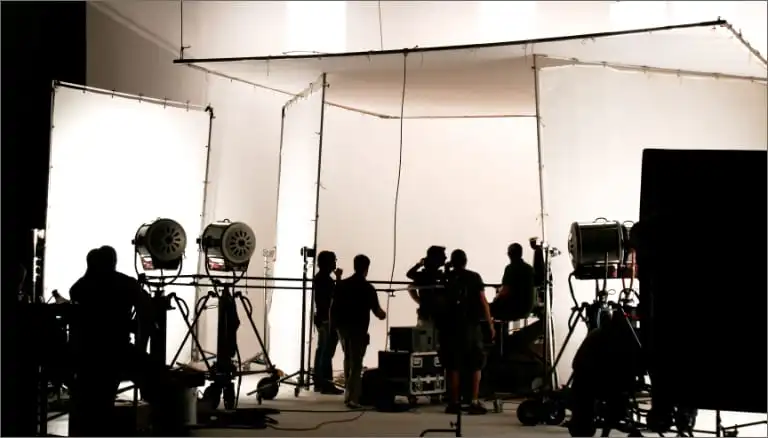
The entertainment industry is a vibrant and dynamic field that offers a wide range of career opportunities for individuals with creative talent and technical skills. One key role in the industry is that of a production designer, responsible for creating the visual concept and aesthetic of film, television, and theater productions. If you are considering a career as a production designer, you may be curious about the salary potential in this field.
Production Designer Salary Overview
Production designers are essential members of the production team, collaborating with directors, producers, and other creative professionals to bring the visual elements of a project to life. According to the Bureau of Labor Statistics, the median annual wage for art directors, which includes production designers, was $94,220 in May 2020. However, salaries can vary based on factors such as experience, location, industry, and project budget.
Art Director
Art directors are responsible for overseeing the visual style and artistic direction of a production, working closely with production designers to ensure that the overall aesthetic vision is realized. In addition to film and television, art directors can also work in advertising, publishing, and theater. The average salary for art directors in the entertainment industry ranges from $80,000 to $150,000 per year, depending on experience and project scope.
Set Designer
Set designers focus on creating the physical environment and layout of sets for film, television, and theater productions. They work closely with production designers to translate the visual concept into tangible sets that enhance the storytelling process. The average salary for set designers in the entertainment industry is between $50,000 and $80,000 annually, with growth opportunities based on experience and project complexity.
Costume Designer
Costume designers are responsible for creating the wardrobe and costumes worn by actors in film, television, and theater productions. They collaborate with production designers to ensure that costumes align with the overall visual aesthetic of the project. The average salary for costume designers in the entertainment industry ranges from $40,000 to $100,000 per year, depending on experience, project budget, and industry demand.
Lighting Designer
Lighting designers focus on creating the lighting effects and ambiance for film, television, and theater productions. They work closely with production designers to enhance the mood and visual impact of scenes through strategic lighting techniques. The average salary for lighting designers in the entertainment industry is between $45,000 and $85,000 annually, with potential for higher earnings in specialized areas such as concert lighting or architectural lighting design.
Illustrator
Illustrators play a crucial role in the pre-visualization process of production design, creating concept art and visual representations of the production’s design elements. They work closely with production designers to bring ideas to life and communicate the visual concept to the production team. The average salary for illustrators in the entertainment industry ranges from $40,000 to $80,000 per year, depending on experience, specialization, and industry demand.
Graphic Designer
Graphic designers are responsible for creating visual graphics and branding elements for film, television, and digital media productions. They collaborate with production designers to ensure that graphic elements align with the overall visual aesthetic of the project. The average salary for graphic designers in the entertainment industry is between $40,000 and $70,000 annually, with opportunities for growth in areas such as motion graphics and visual effects.
Art Department Coordinator
Art department coordinators provide administrative support to the production design team, assisting with budgeting, scheduling, and logistics for art department operations. They work closely with production designers to ensure that projects stay on track and within budget. The average salary for art department coordinators in the entertainment industry ranges from $35,000 to $60,000 per year, depending on experience and project scope.
Prop Master
Prop masters are responsible for sourcing, creating, and managing props used in film, television, and theater productions. They work closely with production designers to ensure that props align with the visual concept and enhance the storytelling process. The average salary for prop masters in the entertainment industry is between $40,000 and $70,000 annually, with potential for higher earnings in specialized areas such as prop fabrication and restoration.
Scenic Artist
Scenic artists specialize in creating painted backdrops, scenery, and visual effects for film, television, and theater productions. They collaborate with production designers to bring the visual concept to life through hand-painted artistry and scenic elements. The average salary for scenic artists in the entertainment industry ranges from $45,000 to $75,000 per year, depending on experience, project complexity, and industry demand.
Conclusion
In the competitive and creative world of entertainment design, salaries for production designers and related professionals can vary based on experience, specialization, and industry demand. By honing your skills, gaining practical experience, and staying current with industry trends, you can position yourself for success and potentially command higher salaries in the field of production design.
Key Takeaways:
- Production designers play a key role in shaping the visual identity of film, TV, and theater productions.
- Salaries in production design vary widely based on experience, location, project budget, and specialization.
- Production designers and art directors typically earn higher salaries due to their leadership and creative oversight roles.
- Supporting roles such as set designers, costume designers, lighting designers, and prop masters contribute directly to visual storytelling and offer solid earning potential.
- Technical and creative specialists like illustrators, graphic designers, and scenic artists are essential in the pre-visualization and execution stages.
- Entry- and mid-level roles, including art department coordinators, provide valuable industry experience with room for salary growth.
- Building specialized skills, gaining hands-on experience, and staying current with industry trends can significantly increase earning potential in production design careers.
Consider taking the NYU Film and TV Industry Essentials online course and certificate program offered by Yellowbrick. This program can provide you with valuable insights and practical training to help you pursue a successful career in production design and stay ahead in this dynamic industry.