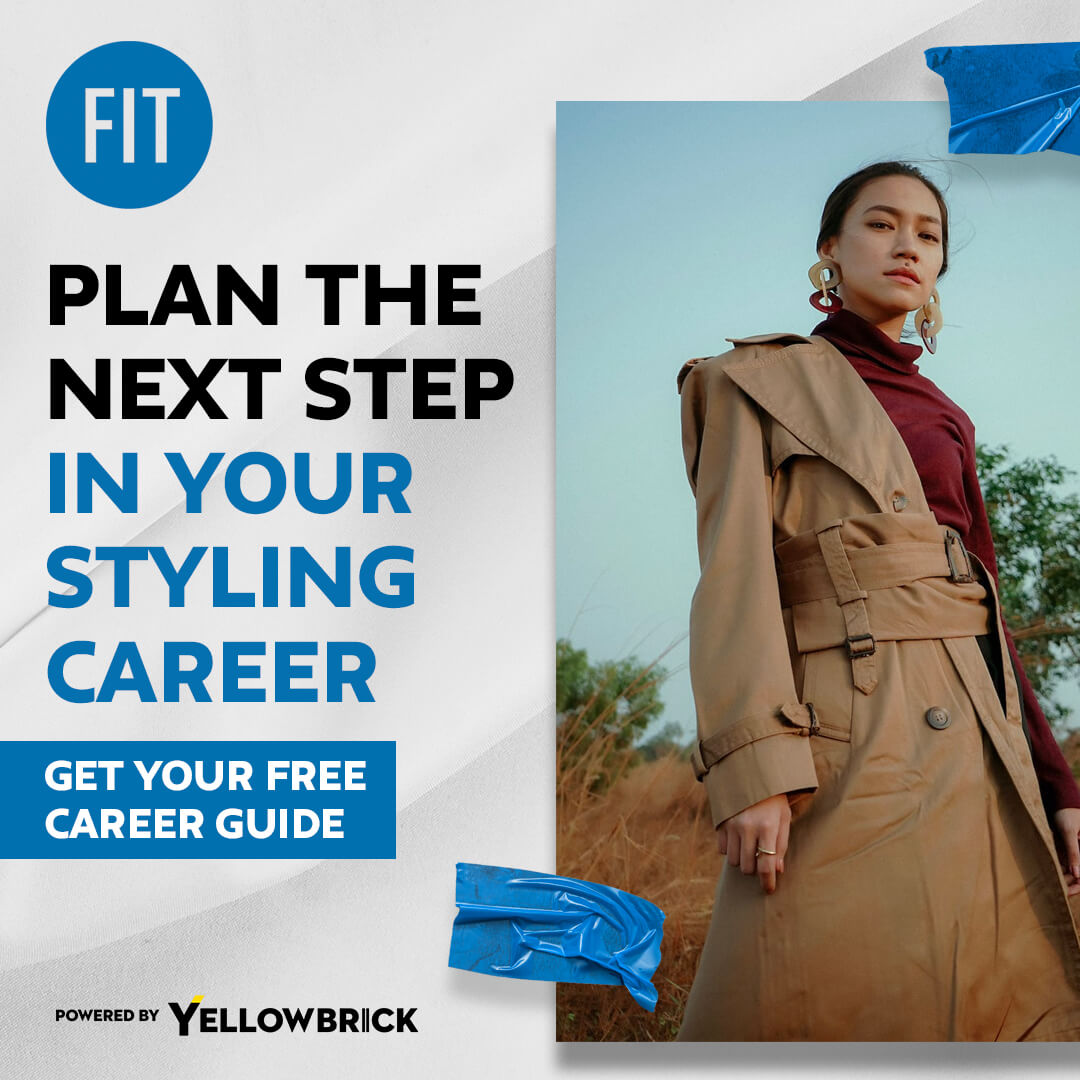
Fashion styling is a creative and influential profession that shapes how fashion is presented, perceived, and consumed. From magazine editorials to celebrity appearances and digital campaigns, stylists play a key role in translating fashion trends into compelling visual stories. This article explores the top career paths in fashion styling and the essential strategies for long-term success in the industry.
Introduction to Fashion Styling
Fashion styling involves selecting clothing, accessories, and overall looks to create a specific visual message. Stylists work across various platforms including print, digital media, television, film, and live events. A strong sense of aesthetics, trend awareness, and communication skills are central to this profession.
Why Fashion Styling Matters in the Industry
Styling influences consumer taste, brand image, and trend adoption. Well-executed styling enhances storytelling, elevates products, and helps designers and brands connect with their target audiences. As fashion becomes increasingly visual and digital, the role of stylists continues to expand.
Top 10 Career Paths in Fashion Styling
Fashion styling offers multiple specialization paths, each requiring a unique blend of creativity and strategy.
1. Editorial Fashion Stylist
Editorial stylists work with magazines, online publications, and creative teams to produce fashion stories and photoshoots. They translate concepts into cohesive visual narratives that align with editorial themes and brand identity.
2. Celebrity Fashion Stylist
Celebrity stylists curate wardrobes for public appearances, red carpet events, and media engagements. Success in this role requires strong networking skills, trend awareness, and the ability to manage high-pressure schedules.
3. Personal Fashion Stylist
Personal stylists work directly with clients to enhance individual style and confidence. They provide wardrobe consultations, shopping assistance, and styling advice tailored to lifestyle, body type, and personal preferences.
4. Commercial Fashion Stylist
Commercial stylists focus on advertising campaigns, catalogs, and e-commerce platforms. Their goal is to present products in a way that appeals to target consumers while supporting brand messaging and sales objectives.
5. Runway and Show Stylist
Runway stylists collaborate with designers to style collections for fashion shows. They ensure consistency, visual impact, and smooth outfit changes while bringing the designer’s vision to life on the runway.
6. Fashion Film and TV Stylist
These stylists work on films, television shows, and digital productions. They use clothing to define characters, support storytelling, and maintain continuity throughout productions.
7. Social Media and Digital Stylist
Digital stylists create looks specifically for social media platforms and online content. They understand platform trends, visual branding, and audience engagement in a fast-moving digital environment.
8. Retail and Visual Merchandising Stylist
This role blends styling with retail strategy. Stylists curate in-store displays, mannequins, and visual layouts to enhance customer experience and drive sales.
9. Fashion Brand Stylist
Brand stylists work in-house for fashion labels, ensuring consistent styling across campaigns, lookbooks, and promotional materials. They align creative styling with brand identity and marketing goals.
10. Freelance Fashion Stylist
Freelance stylists work across multiple projects and clients, offering flexibility and creative variety. Success in this path depends on reputation, networking, and strong self-promotion.
Success Strategies for Fashion Stylists
Building a successful styling career requires more than creative talent.
1. Develop a Strong Portfolio
A well-curated portfolio showcasing diverse styling work is essential for attracting clients and collaborators.
2. Stay Updated on Trends
Continuous research into fashion trends, designers, and cultural influences helps stylists remain relevant.
3. Build Industry Relationships
Networking with photographers, designers, models, and editors opens doors to new opportunities.
4. Understand Brand and Client Needs
Successful stylists balance creativity with practicality by aligning their work with brand objectives and client expectations.
5. Master Organization and Time Management
Styling often involves tight deadlines, logistics, and multiple projects, making strong organizational skills critical.
Conclusion
Fashion styling offers diverse and rewarding career paths for creative professionals. By choosing the right specialization and applying proven success strategies, stylists can build influential careers that shape fashion imagery and trends. With dedication, adaptability, and a strong creative vision, fashion styling can become a powerful and sustainable profession.
Key Takeaways:
- Fashion styling is a creative profession that shapes how fashion is visually presented across media, events, and digital platforms.
- Stylists play a vital role in influencing brand image, consumer perception, and trend adoption.
- There are multiple career paths in fashion styling, including editorial, celebrity, personal, commercial, runway, digital, and brand styling.
- Success in fashion styling requires a strong portfolio, trend awareness, and the ability to translate concepts into visual stories.
- Building industry relationships and understanding client or brand needs are essential for long-term career growth.
Enhance your skills and elevate your career prospects by considering enrolling in the Parsons Fashion Industry Essentials online course and certificate program offered by Yellowbrick. Explore the possibilities and unlock your potential in the exciting world of fashion styling.