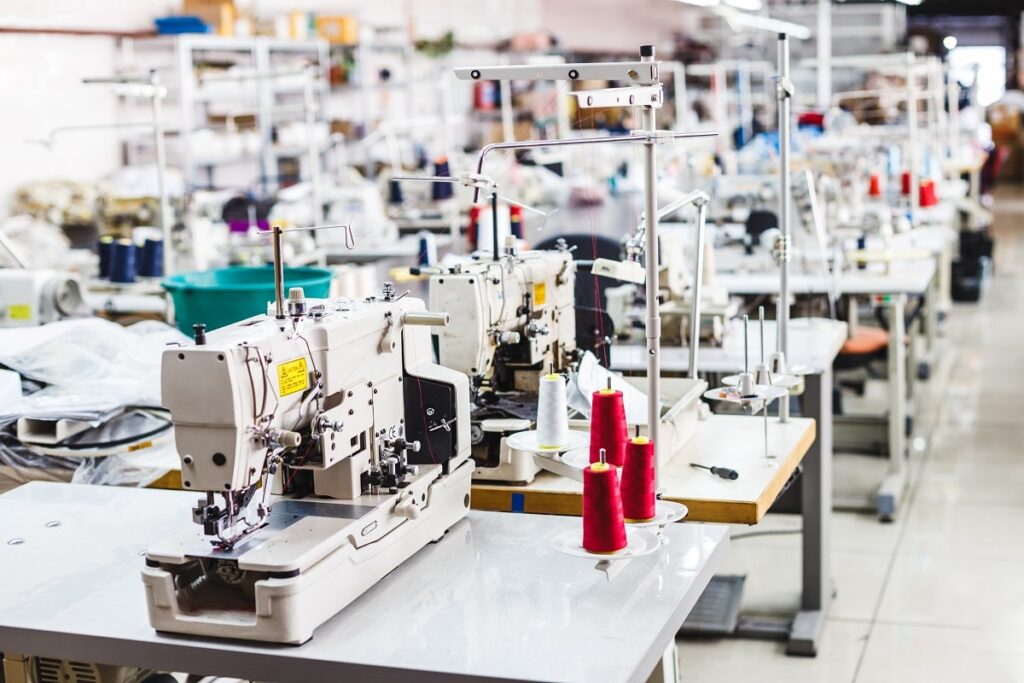
Garment construction is the foundation of fashion design. It transforms creative ideas into structured, wearable garments and bridges the gap between artistic vision and technical execution. Whether you’re a student, aspiring designer, or garment enthusiast, mastering construction—alongside strong fashion drawing skills and industry awareness—is essential for producing high-quality pieces that fit beautifully and stand out in the market.
This guide explores construction fundamentals, the importance of fashion drawing in the process, and key insights from the fashion industry.
Understanding Garment Construction
Garment construction refers to the techniques, steps, and decisions involved in assembling a garment from raw fabric. It includes stitching, shaping, cutting, finishing, and fitting. Strong construction skills help you bring concepts to life with precision, craftsmanship, and professional results.
Why Garment Construction Matters in Fashion Design
Garment construction ensures your designs translate accurately from sketch to finished clothing. Designers who understand construction can troubleshoot fit issues, select suitable fabrics, and collaborate effectively with patternmakers and production teams. It also ensures quality control, which is crucial for brand reputation and customer satisfaction.
Essential Skills in Garment Construction
Below are the foundational skills you must develop to master garment construction.
1. Pattern Making Fundamentals
Pattern making provides the blueprint for all garments. Understanding measurements, slopers, darts, panels, and modifications ensures accurate shapes and proportions. This skill forms the technical core of garment construction.
2. Fabric Knowledge
Fabric behavior affects every design. Knowing how fibers drape, stretch, shrink, and respond to heat or tension helps you make smart choices. The wrong fabric selection can alter a garment’s silhouette entirely.
3. Sewing Techniques
Stitching, seam types, hemming styles, closures, and edge finishes determine both function and aesthetics. Skilled sewing creates durable, polished garments that meet industry quality standards.
4. Fitting & Alterations
Even a well-drafted pattern needs adjustments. Fitting allows you to identify balance issues, ease distribution, gaping, or tightness. Alteration skills help refine the garment for comfort and precision.
5. Finishing Techniques
Finishes—such as facings, linings, binding, pressing, and topstitching—elevate the garment’s overall quality. Clean finishes distinguish professional work from amateur sewing.
How Fashion Drawing Supports Garment Construction
Fashion drawing plays a major role in planning and visualizing garments before construction begins. It guides patternmakers, seamstresses, and manufacturers through the design’s structure, proportions, and details.
How drawing strengthens the construction process:
- Illustrates seam placements, darts, panels, pleats, gathers, and closures
- Defines silhouette and fit
- Communicates garment shape and movement
- Provides technical flats for production and pattern drafting
- Ensures consistent design details from sample to final product
Good drawing ensures fewer misunderstandings during garment creation.
Industry Insights Every Beginner Should Know
Professionals in garment construction and fashion design follow key principles that elevate efficiency, quality, and brand identity. Below are insights beginners should keep in mind.
1. Construction Quality Impacts Brand Perception
Customers associate neat stitches, clean lines, and reliable structure with high-value brands. Even simple garments look premium with strong construction.
2. Sustainable Construction Creates Long-Lasting Garments
Techniques like efficient cutting methods, zero-waste patterns, and durable seams reduce waste and extend garment lifespan—an essential focus in today’s eco-conscious market.
3. Technology Is Shaping Modern Garment Production
Digital pattern drafting, 3D draping, and automated cutting machines increase accuracy and speed. Designers are expected to adapt to these evolving tools to stay competitive.
4. Strong Communication Prevents Manufacturing Errors
Clear tech packs, labeled patterns, and precise technical drawings reduce costly mix-ups during sampling and production.
5. Consistent Fit Builds Customer Loyalty
Brands known for a reliable fit retain their customers. Mastering garment construction enables consistency across sizes, seasons, and collections.
Tips for Improving Your Garment Construction Skills
Beginner-friendly ways to strengthen your skills include:
- Practicing basic seams and finishing techniques
- Studying professionally made garments
- Using muslin for test fittings
- Keeping notes of stitches, fabrics, and adjustments
- Pairing every sketch with a technical flat
Conclusion
Learning garment construction gives you confidence, precision, and the ability to produce industry-level garments. When paired with strong fashion drawing skills and insights into industry practices, you gain the expertise needed to design clothing that is not only visually striking but also well-constructed, durable, and market-ready. As you continue learning and practicing, you’ll develop a solid foundation that prepares you for success in the fashion industry.
Key Takeaways:
- Garment construction is a crucial aspect of the fashion industry, from design to production.
- Specialized training through garment construction courses enhances skills in fabric manipulation, pattern making, and sewing.
- Mastery of garment construction can lead to rewarding careers in fashion design, pattern making, tailoring, production management, and more.
- Understanding garment construction principles is essential for creating well-constructed and visually appealing garments.
Consider taking the Parsons Fashion Industry Essentials online course and certificate program by Yellowbrick to further enhance your skills in garment construction and advance your career in the fashion industry.