Packaging plays a critical role in the sneaker supply chain, going far beyond just protecting shoes during transit. The right packaging strategy can reduce costs, improve sustainability, enhance customer experience, and strengthen brand identity. For sneaker brands operating in a highly competitive market, smart packaging has become a key driver of both operational efficiency and consumer loyalty.
The Role of Packaging in the Sneaker Supply Chain
Sneaker packaging is a touchpoint that impacts the entire supply chain—from manufacturing and distribution to retail and customer unboxing. Efficient packaging ensures sneakers arrive in perfect condition, while thoughtful design and eco-friendly choices influence consumer perception and support sustainability goals.
Strategies for Sneaker Packaging Success
To achieve supply chain success, brands must go beyond aesthetics and focus on packaging strategies that balance protection, cost, sustainability, and customer experience.
1. Prioritize Protective Design
Packaging should first and foremost protect sneakers from damage during shipping and handling. Reinforced boxes, shock-absorbent inserts, and moisture-resistant materials ensure sneakers maintain their quality throughout the supply chain.
2. Optimize for Efficiency and Cost Savings
Lightweight, stackable, and space-efficient packaging reduces shipping costs and warehouse storage needs. By minimizing packaging size without compromising protection, brands can improve logistics efficiency and save money.
3. Incorporate Sustainable Materials
Sustainability is now a must in sneaker packaging. Using recycled cardboard, biodegradable materials, and minimal plastic not only reduces environmental impact but also strengthens brand reputation among eco-conscious consumers.
4. Enhance Branding and Consumer Experience
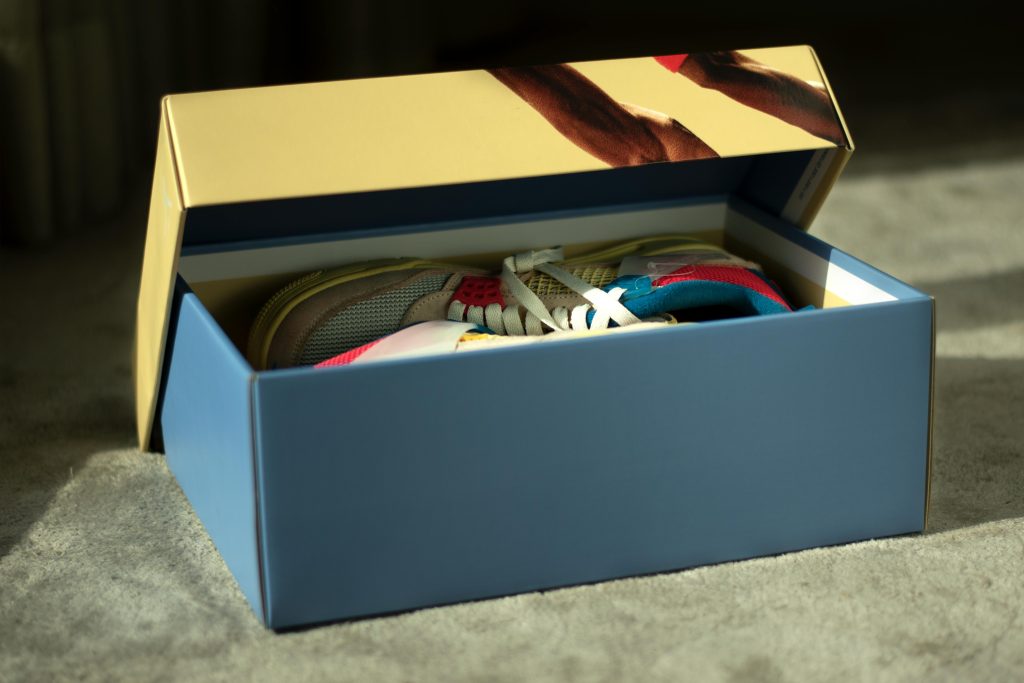
Packaging is part of the brand story. Creative designs, bold colors, and unique unboxing experiences turn sneaker packaging into a marketing tool. A memorable unboxing moment can create social media buzz and deepen consumer loyalty.
5. Standardize and Streamline Packaging Processes
Consistency across packaging helps simplify production and logistics. Standardized packaging sizes and designs make inventory management and transportation more efficient, reducing errors and delays in the supply chain.
6. Integrate Smart and Digital Features
Innovative packaging can incorporate QR codes, NFC tags, or AR elements to provide consumers with authentication, product information, or interactive experiences. This adds value while enhancing trust and engagement.
Conclusion
Sneaker packaging is more than a protective box—it’s a strategic asset that influences supply chain performance, brand identity, and customer experience. By prioritizing protection, efficiency, sustainability, and innovation, sneaker brands can optimize their packaging strategies and achieve greater success in both operations and consumer engagement.
Key Takeaways:
- Packaging is a strategic asset in the sneaker supply chain, impacting protection, branding, and consumer experience.
- Protective design ensures sneakers arrive in perfect condition during shipping and handling.
- Efficient, lightweight, and space-saving packaging reduces logistics costs and improves supply chain performance.
- Sustainable materials strengthen brand reputation and appeal to eco-conscious consumers.
- Creative packaging enhances branding, creating memorable unboxing experiences and consumer loyalty.
- Standardized packaging processes improve efficiency and reduce errors in logistics.
- Smart features like QR codes, NFC tags, or AR add value through authentication, interactivity, and consumer trust.
For a deeper understanding of the evolving sneaker industry and the essential role of sneaker packaging, consider exploring the insights and practical skills offered by the FIT x Complex Sneaker Essentials online course and certificate program. Dive into the world of sneaker supply chain management and equip yourself with the tools needed to succeed in this dynamic field.