The sneaker industry is a fast-moving and highly competitive market where supply chain efficiency can make or break a brand. From sourcing raw materials to delivering the latest drops to consumers, an optimized supply chain ensures reliability, sustainability, and customer satisfaction. To succeed, sneaker brands must adopt strategies that streamline processes, reduce costs, and adapt to changing consumer demands.
The Importance of Supply Chain in the Sneaker Industry
A sneaker’s journey involves multiple steps—design, production, logistics, and retail. Each stage must work seamlessly together to meet deadlines and maintain quality. In today’s global marketplace, where customers expect speed, transparency, and sustainability, strong supply chain strategies are essential for staying competitive.
Strategies for Sneaker Supply Chain Success
To master the sneaker supply chain, brands should focus on these core strategies that improve efficiency and build resilience.
1. Supplier Relationship Management
Building strong partnerships with suppliers ensures consistent quality and reliable sourcing of materials. Transparent communication and collaboration allow brands to respond quickly to demand fluctuations and avoid disruptions.
2. Demand Forecasting and Planning
Accurate forecasting is key to avoiding overproduction or shortages. By analyzing market trends, past sales, and consumer behavior, brands can predict demand and align production with real needs.
3. Sustainable Sourcing Practices
Sustainability is now a priority in supply chains. Choosing eco-friendly materials and ethical suppliers not only reduces environmental impact but also appeals to conscious consumers.
4. Technology Integration
Digital tools like AI, blockchain, and real-time tracking systems improve visibility and efficiency across the supply chain. These technologies enable better decision-making and ensure transparency for both brands and consumers.
5. Lean Manufacturing and Efficiency
Adopting lean practices minimizes waste, reduces production costs, and increases speed. Efficiency in production processes allows brands to stay agile in a rapidly changing market.
6. Logistics and Distribution Optimization
Timely delivery is critical in sneaker culture, especially for hyped releases. Optimizing logistics through smart warehousing, last-mile delivery solutions, and global distribution networks ensures sneakers reach consumers quickly and reliably.
7. Risk Management and Flexibility
Global supply chains face challenges like political instability, material shortages, or shipping delays. A proactive risk management strategy—such as diversifying suppliers and maintaining backup plans—keeps brands resilient.
8. Consumer-Centric Approach
Today’s sneaker fans expect transparency, speed, and personalization. Supply chains designed with the consumer in mind—such as offering tracking, flexible returns, or direct-to-consumer models—help build loyalty.
Conclusion
The sneaker supply chain is the backbone of the industry, shaping how efficiently and sustainably sneakers move from concept to customer. By focusing on strong supplier relationships, sustainable sourcing, technology integration, and consumer-centered strategies, sneaker brands can build supply chains that not only deliver success but also future-proof their business in an ever-changing market.
Key Takeaways:
- A strong sneaker supply chain is essential for meeting demand, maintaining quality, and ensuring timely delivery.
- Strong supplier relationships improve consistency, reliability, and responsiveness.
- Accurate demand forecasting helps prevent overproduction and shortages.
- Sustainable sourcing practices reduce environmental impact and appeal to eco-conscious consumers.
- Technology integration enhances visibility, transparency, and decision-making across the supply chain.
- Lean manufacturing minimizes waste, lowers costs, and increases efficiency.
- Optimized logistics and distribution ensure sneakers reach consumers quickly, especially during high-demand drops.
- Risk management and flexibility keep brands resilient against disruptions.
- A consumer-centric supply chain builds loyalty through transparency, speed, and personalized services.
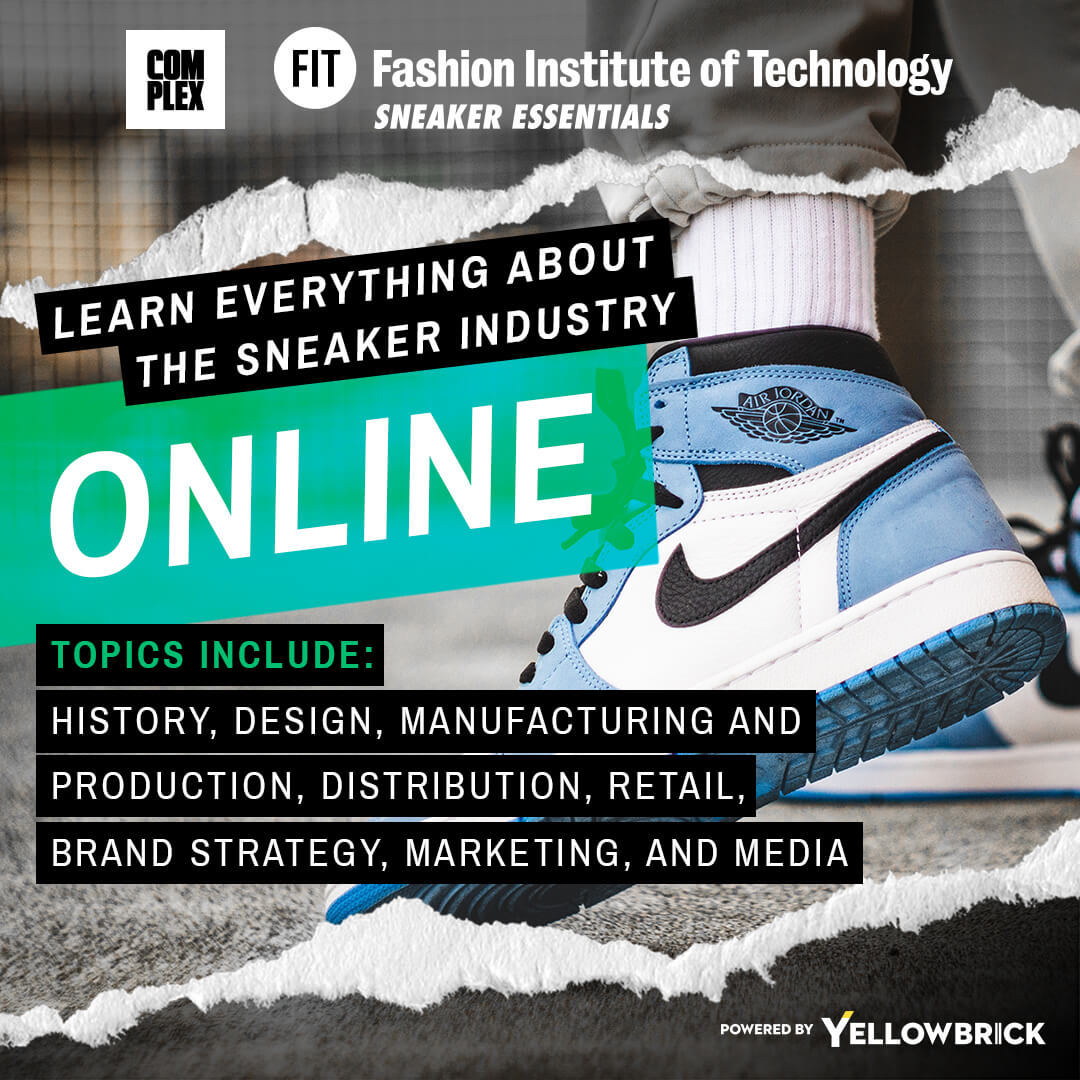
For individuals looking to excel in the dynamic world of sneaker supply chain management, considering further education and skill development is essential. Enhancing your knowledge and expertise through the FIT x Complex Sneaker Essentials online course and certificate program can provide valuable insights and practical skills to thrive in the evolving sneaker industry.