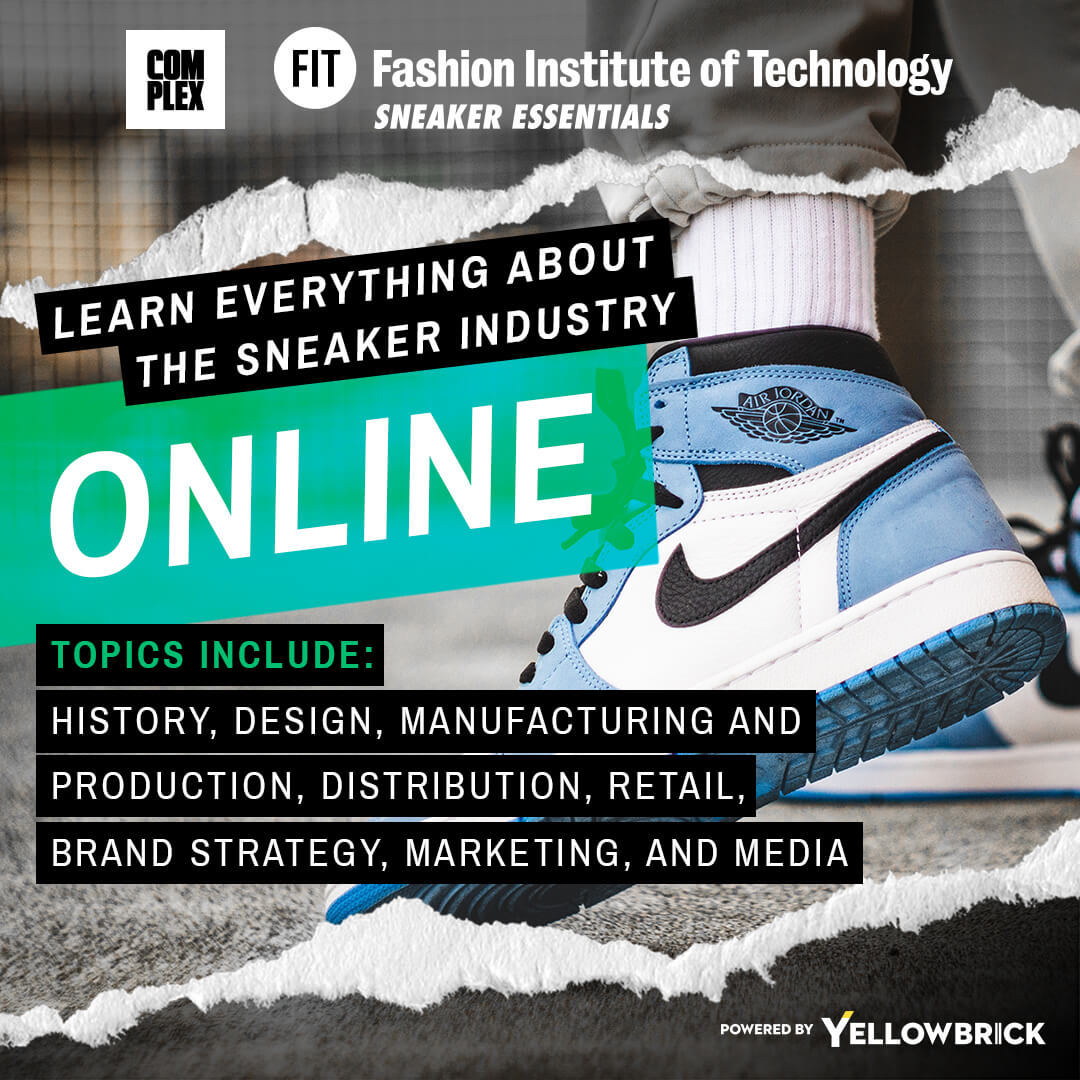
The sneaker industry is booming, blending fashion, performance, and culture into one of the most dynamic markets today. For aspiring entrepreneurs, launching a sneaker brand requires more than just creativity—it demands a clear, strategic business plan. By focusing on the right strategies, you can transform your passion for sneakers into a thriving venture.
Why Strategy Matters in Sneaker Business Planning
The sneaker market is highly competitive, with major players dominating global sales and independent brands fighting to make their mark. Without a solid strategy, even the most innovative sneaker designs risk going unnoticed. A well-structured plan helps define your vision, sharpen your positioning, and guide decisions that lead to long-term success.
Top Strategies for Sneaker Business Plans
Crafting a sneaker business plan is not just about writing goals on paper—it’s about mapping out a roadmap that guides your brand’s growth and resilience. The following strategies highlight the most important elements every entrepreneur should include to stand out and succeed in the sneaker market.
1. Define a Unique Brand Identity
In a crowded market, differentiation is everything. Decide whether your sneakers will focus on sustainability, performance technology, streetwear culture, or high-fashion appeal. A strong identity creates loyalty and makes your brand recognizable.
2. Conduct In-Depth Market Research
Understanding your target audience, competitors, and emerging trends is essential. Market research ensures your designs meet demand and positions your brand where it can succeed.
3. Focus on Product Innovation
Sneaker buyers look for originality—whether in design, materials, or technology. Innovative products can become your strongest marketing tool, helping you build a reputation as a trendsetter.
4. Build a Strong Marketing Strategy
From social media campaigns to influencer collaborations, storytelling is key. Marketing should not only highlight your sneakers but also convey your brand’s lifestyle and values.
5. Establish Efficient Distribution Channels
Decide how you will deliver sneakers to your customers. Options include direct-to-consumer e-commerce, pop-up shops, or retail partnerships. Efficient distribution ensures accessibility and scalability.
6. Prioritize Financial Planning
Calculate startup costs, production budgets, and profit margins. A realistic financial plan helps avoid overspending, ensures sustainability, and makes your brand attractive to investors.
7. Plan for Scalability
Think beyond your first collection. A strong business plan includes growth strategies such as expanding product lines, entering new markets, or leveraging collaborations.
Conclusion
Breaking into the sneaker industry requires more than creative designs—it takes strategic thinking and careful planning. By focusing on brand identity, innovation, marketing, distribution, and financial management, entrepreneurs can position their sneaker brands for long-term success in a competitive global market.
Key Takeaways:
- A strong business plan gives direction and competitiveness in the sneaker market.
- Unique brand identity and innovation make sneakers stand out.
- Market research ensures alignment with consumer needs and trends.
- Effective marketing and distribution drive visibility and sales.
- Financial planning and scalability secure long-term growth.
Enhance your skills with the FIT x Complex Sneaker Essentials online course and certificate program by Yellowbrick for a deeper understanding of sneaker entrepreneurship.