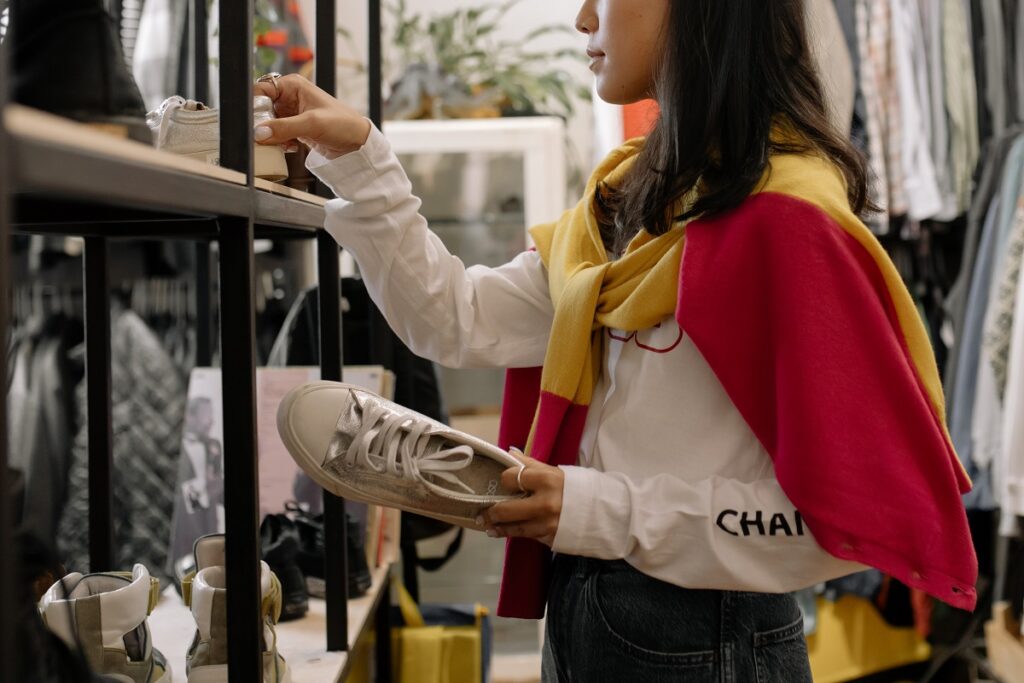
Sneaker suppliers play a crucial role in the footwear industry, providing retailers and consumers with a diverse range of sneakers to meet market demands. As the sneaker market continues to grow and evolve, the role of sneaker suppliers has become increasingly important in ensuring that retailers have access to the latest styles and trends.
Understanding Market Trends
Successful sneaker suppliers stay abreast of the latest market trends and consumer preferences to anticipate demand and adjust their inventory accordingly. By monitoring fashion shows, street style trends, and social media influencers, suppliers can identify emerging styles and collaborate with manufacturers to produce on-trend sneakers.
Building Relationships with Manufacturers
Establishing strong relationships with manufacturers is essential for sneaker suppliers to secure exclusive deals, negotiate favorable pricing, and ensure the timely delivery of merchandise. By partnering with reputable manufacturers known for quality craftsmanship and innovative designs, suppliers can differentiate themselves in the market and attract retailers seeking unique products.
Curating a Diverse Product Range
Sneaker suppliers curate a diverse product range that appeals to a wide range of customers, from casual sneaker enthusiasts to avid collectors. By offering a mix of classic silhouettes, limited-edition releases, and collaborative designs, suppliers can cater to different market segments and capture a larger share of the sneaker market.
Supply Chain Management
Efficient supply chain management is critical for sneaker suppliers to streamline operations, minimize costs, and deliver products to retailers promptly. By optimizing logistics, inventory management, and distribution channels, suppliers can enhance their competitiveness and meet the demands of retailers looking for reliable and responsive partners.
Quality Control and Assurance
Maintaining high standards of quality control and assurance is paramount for sneaker suppliers to uphold their reputation and build trust with retailers and consumers. By conducting rigorous quality checks, inspecting products for defects, and ensuring compliance with industry standards, suppliers can deliver superior sneakers that meet customer expectations and regulatory requirements.
Marketing and Branding
Effective marketing and branding strategies are essential for sneaker suppliers to promote their products, differentiate their brand, and attract retailers and consumers. By leveraging social media, influencer partnerships, and targeted advertising campaigns, suppliers can increase brand visibility, generate buzz around their products, and drive sales growth in a competitive market.
Innovation and Adaptability
Innovation and adaptability are key traits of successful sneaker suppliers who continuously evolve their product offerings, embrace new technologies, and respond to changing market dynamics. By staying agile, creative, and open to experimentation, suppliers can stay ahead of trends, meet evolving customer needs, and secure their position as industry leaders.
Customer Service Excellence
Providing exceptional customer service is crucial for sneaker suppliers to build long-lasting relationships with retailers and foster loyalty among consumers. By offering personalized support, addressing customer inquiries promptly, and resolving issues effectively, suppliers can enhance customer satisfaction, drive repeat business, and maintain a positive brand reputation in the competitive sneaker market.
Sustainability and Ethical Practices
As consumer awareness of sustainability and ethical practices grows, sneaker suppliers are increasingly focusing on environmentally friendly materials, fair labor practices, and transparent supply chains. By embracing sustainable sourcing, reducing waste, and supporting ethical production, suppliers can appeal to eco-conscious consumers and align with global efforts to promote sustainability in the fashion industry.
Continuous Learning and Improvement
Successful sneaker suppliers are committed to continuous learning and improvement, staying informed about industry trends, attending trade shows, and seeking feedback from retailers and consumers. By investing in professional development, staying open to feedback, and adapting to market changes, suppliers can enhance their competitiveness, drive innovation, and achieve long-term success in the dynamic sneaker market.
Conclusion
Sneaker suppliers play a vital role in the footwear industry, connecting manufacturers with retailers and consumers to deliver the latest sneaker styles and trends to the market. By understanding market trends, building strong relationships, curating diverse product ranges, and embracing innovation, suppliers can thrive in the competitive sneaker market and contribute to the growth and evolution of the industry.
Key Takeaways:
- Staying updated on trends helps suppliers anticipate demand and stay relevant.
- Strong manufacturer relationships secure better pricing, exclusives, and quality products.
- A diverse product mix appeals to both casual buyers and collectors.
- An efficient supply chain and quality control ensure reliability and trust.
- Branding, marketing, and adaptability drive visibility and competitiveness.
- Sustainability and ethical practices strengthen consumer trust.
- Continuous improvement keeps suppliers ahead in a fast-changing market.
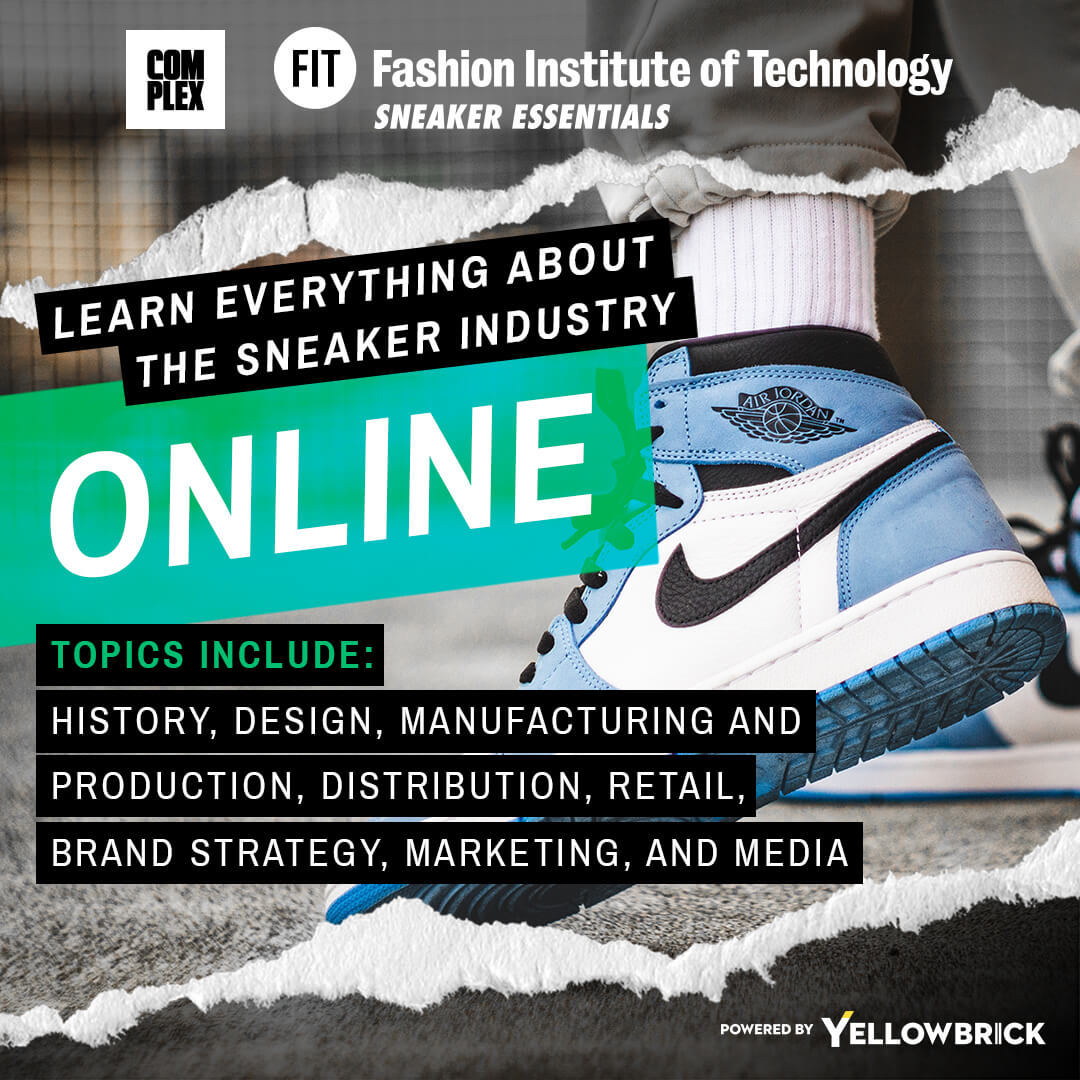
To enhance your skills further, consider enrolling in the FIT x Complex Sneaker Essentials online course and certificate program for valuable insights and expertise in the dynamic sneaker industry.