Sneakers are more than just fashion—they’re tools for performance, comfort, and self-expression. But what truly separates a high-quality sneaker from an average pair? Beyond the hype and branding, the real value lies in the materials, craftsmanship, and design choices that define how long a sneaker lasts and how good it feels on your feet. Let’s dive into the elements that unveil sneaker quality.
1. Materials Matter
The foundation of any sneaker starts with its materials. Premium leather, durable synthetics, breathable mesh, or advanced knits all influence performance and aesthetics. Full-grain leather, for example, offers natural strength and luxury, while Flyknit or Primeknit technology provides a lightweight and adaptive fit. Spotting quality often comes down to the feel, texture, and durability of these materials.
2. Craftsmanship and Construction
Even the best materials fall short without proper construction. High-quality sneakers often feature tight, consistent stitching, reinforced overlays, and precise seam alignment. While cheaper sneakers may rely heavily on glue, top-tier models balance stitching and bonding for maximum durability. Craftsmanship ensures your sneakers can withstand everyday wear without falling apart.
3. Comfort and Performance
A sneaker isn’t truly great if it doesn’t feel right. Quality pairs are designed with cushioning technologies like EVA foam, Nike Air, or Adidas Boost that provide shock absorption and energy return. A well-made sneaker also accounts for breathability, arch support, and fit—making sure your feet stay comfortable whether you’re on the move or just styling casually.
4. Brand Standards and Innovation
Major sneaker brands invest heavily in research and innovation, setting benchmarks for quality across the industry. Nike’s Flyknit, Adidas’s Primeknit, or waterproof Gore-Tex integrations are examples of how materials evolve for better performance. These innovations aren’t just marketing—they actively improve comfort, sustainability, and wearability.
5. Durability Testing
True sneaker quality is revealed over time. Durable sneakers hold their shape, retain cushioning, and maintain outsole traction after heavy use. The best outsoles resist abrasion while offering consistent grip, and midsoles recover from compression instead of flattening out. Longevity is a clear marker of premium craftsmanship.
6. Fake vs. Authentic Quality
Counterfeit sneakers often mimic appearances but lack in quality. They may feel heavier or lighter due to inferior materials, smell strongly of glue, or show sloppy stitching. While replicas may look close to the real thing, they rarely match the comfort, durability, or support of authentic sneakers. Knowing how to spot these differences is crucial for sneaker enthusiasts.
7. Consumer Perspective
For buyers, evaluating sneaker quality means checking for comfort, materials, and durability before purchase. In stores, testing fit, feel, and finish is key. Online, reading reviews and studying detailed product photos can provide valuable clues. Investing in quality sneakers may cost more upfront, but it saves money in the long run by avoiding frequent replacements.
Conclusion
Sneaker quality isn’t just defined by price or hype—it’s about the thoughtful blend of materials, construction, performance, and innovation. The best sneakers feel good, last long, and adapt to your lifestyle. By understanding what makes a sneaker truly high quality, you can make smarter choices and enjoy footwear that delivers on both style and function.
Key Takeaways:
- Quality sneakers start with strong, durable, and premium materials like leather, mesh, or advanced knits.
- Consistent stitching, reinforced overlays, and balanced construction set well-crafted sneakers apart from cheaply made pairs.
- Cushioning technologies and thoughtful design provide comfort, breathability, and long-lasting performance.
- Leading brands push innovation with features like Flyknit, Primeknit, and Gore-Tex, raising industry standards.
- Durability is proven over time—high-quality sneakers keep their shape, cushioning, and traction after heavy use.
- Counterfeits may look similar but lack the comfort, support, and durability of authentic sneakers.
- Smart consumers check fit, feel, and construction in-store or rely on reviews and detailed photos online.
- Investing in quality sneakers saves money in the long run by reducing the need for frequent replacements.
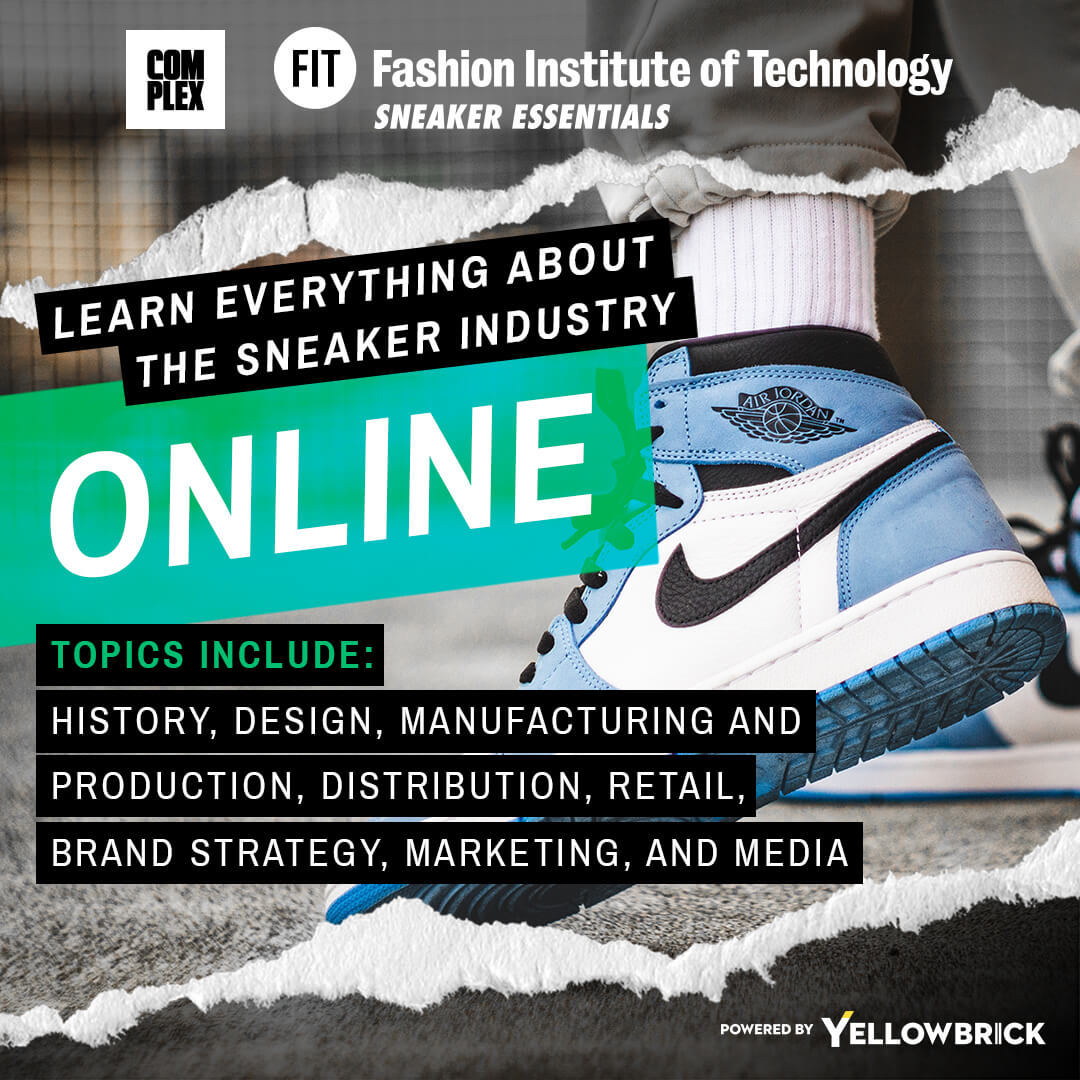
For those looking to elevate their sneaker photography skills and pursue a career in this creative field, the FIT x Complex Sneaker Essentials online course and certificate program by Yellowbrick offers a valuable opportunity to gain industry insights, practical knowledge, and hands-on experience to excel in the world of sneaker photography.