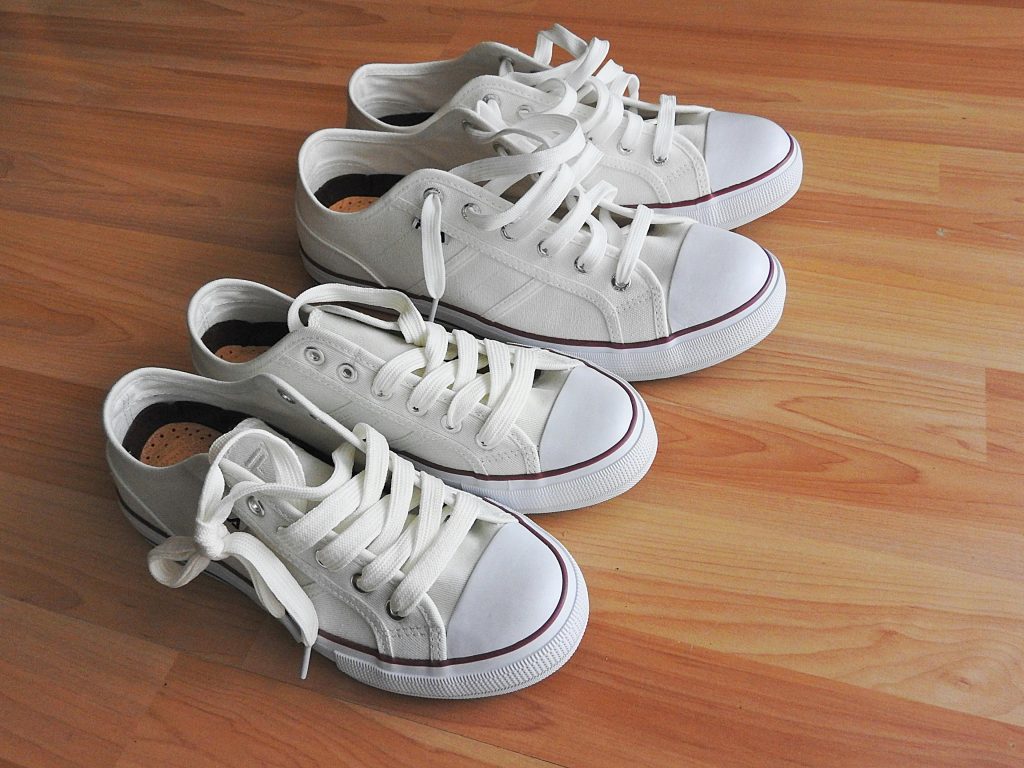
Sneaker materials play a crucial role in the design, performance, and overall quality of sneakers. The choice of materials not only impacts the aesthetics of the shoe but also influences its comfort, durability, and functionality. Understanding the various sneaker materials used in the industry can provide valuable insights into the world of footwear design and production.
1. Leather
Leather is a classic and popular material used in sneaker construction due to its durability, flexibility, and premium look. Full-grain leather is known for its high quality and natural appearance, while top-grain leather offers a smoother surface. Nubuck and suede are variations of leather that provide a soft and velvety texture, adding a luxurious touch to sneakers.
2. Mesh
Mesh is a lightweight and breathable material commonly used in sneaker uppers to enhance ventilation and comfort. It is often combined with other materials like leather or synthetic overlays to provide structure and support. Mesh sneakers are ideal for athletic and casual wear, offering a comfortable and airy fit for all-day wear.
3. Synthetic Materials
Synthetic materials such as polyester, nylon, and polyurethane are widely used in sneaker production for their durability, water resistance, and ease of maintenance. These materials can mimic the look and feel of natural fabrics while offering enhanced performance features such as moisture-wicking properties and quick drying.
4. Rubber
Rubber is a versatile material used in sneaker outsoles to provide traction, shock absorption, and durability. Different rubber compounds are utilized for various purposes, with some offering enhanced grip on different surfaces and others providing cushioning and flexibility. Rubber outsoles play a crucial role in the overall comfort and performance of sneakers.
5. EVA Foam
EVA (ethylene-vinyl acetate) foam is a lightweight and cushioning material commonly found in sneaker midsoles. It offers excellent shock absorption, energy return, and comfort, making it a popular choice for athletic and lifestyle sneakers. EVA foam midsoles provide support and cushioning for the foot, reducing impact during activities.
6. TPU
Thermoplastic polyurethane (TPU) is a durable and flexible material used in sneaker overlays, heel counters, and support structures. TPU offers excellent abrasion resistance, stability, and protection, enhancing the overall structure and longevity of the shoe. Sneakers with TPU elements provide added support and reinforcement for specific areas of the foot.
7. Flyknit
Flyknit is a proprietary material developed by Nike that uses lightweight yarns to create a formfitting and breathable upper for sneakers. This innovative technology allows for targeted support, flexibility, and breathability in key areas of the foot. Flyknit sneakers offer a seamless and adaptive fit for enhanced comfort and performance.
8. Gore-Tex
Gore-Tex is a waterproof and breathable membrane often used in sneaker construction to provide protection against water and inclement weather. Sneakers featuring Gore-Tex technology are ideal for outdoor activities, offering a dry and comfortable wearing experience in various conditions. The membrane allows moisture to escape while preventing water from entering the shoe.
9. Primeknit
Primeknit is an advanced knit material developed by Adidas that offers a lightweight, supportive, and adaptive fit for sneakers. The seamless construction of Primeknit uppers reduces waste and allows for precise customization of fit and design. Primeknit sneakers provide a snug and comfortable feel, making them a popular choice for athletes and casual wearers alike.
10. Cork
Cork is a sustainable and eco-friendly material used in sneaker insoles for its natural cushioning and moisture-wicking properties. Cork insoles mold to the shape of the foot over time, providing customized support and comfort. Sneakers with cork insoles offer a unique and sustainable option for those looking for enhanced comfort and foot health.
Conclusion
The materials used in sneakers are the foundation of their design, blending style, comfort, performance, and innovation. Understanding these components helps appreciate both the craftsmanship and the future of footwear.
Key Takeaways:
- Leather, mesh, synthetic materials, rubber, EVA foam, TPU, Flyknit, Gore-Tex, Primeknit, and cork are essential sneaker materials that impact design, performance, and comfort.
- Leather offers durability and a premium look, while mesh provides breathability and lightweight comfort.
- Synthetic materials offer durability and water resistance, while rubber outsoles provide traction and shock absorption.
- EVA foam midsoles offer cushioning and energy return, and TPU elements add support and protection.
- Innovative materials like Flyknit, Gore-Tex, and Primeknit offer targeted support, weather protection, and a customized fit.
- Sustainable materials like cork provide natural cushioning and moisture-wicking properties for enhanced comfort and foot health.
For a deeper dive into the world of sneaker materials and design, consider exploring the FIT x Complex Sneaker Essentials online course and certificate program offered by Yellowbrick.