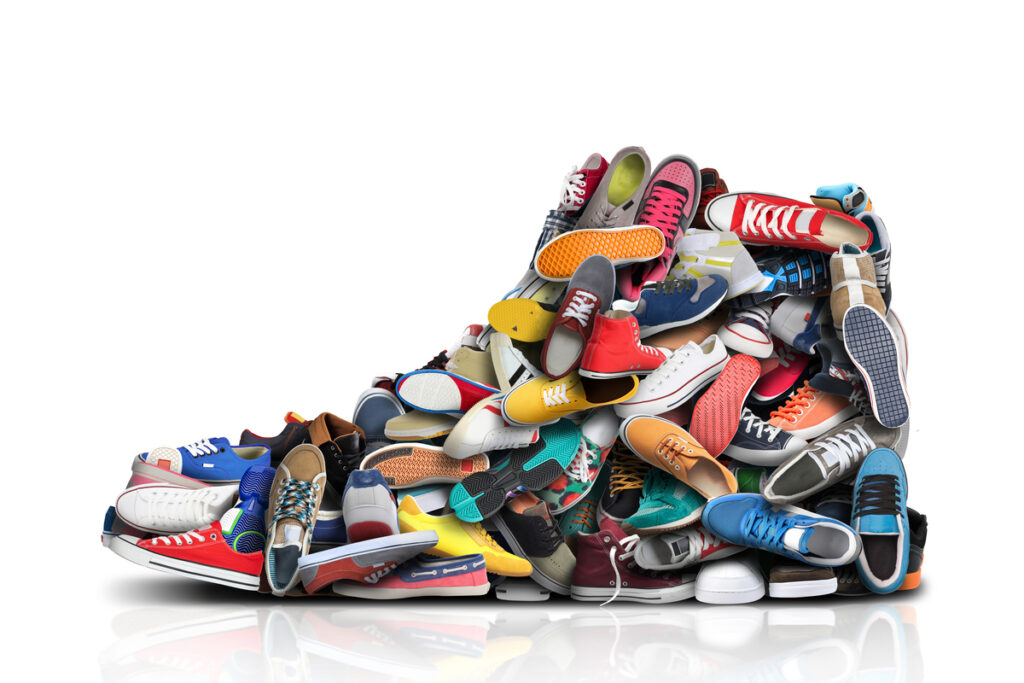
The sneaker market has evolved far beyond its athletic roots, becoming a global force that blends fashion, culture, technology, and lifestyle. What was once designed purely for performance is now a symbol of identity and self-expression. With rapid changes in consumer preferences, technological advancements, and cultural influences, the sneaker industry continues to shift in new and exciting directions.
The Cultural Influence on Sneakers
Sneakers are deeply tied to culture—whether through sports, music, or streetwear. Collaborations with athletes, artists, and designers have turned sneakers into cultural artifacts, creating hype that extends far beyond the product itself. Sneaker drops are now global events, with fans lining up in physical stores or competing online for exclusive releases. The cultural weight of sneakers ensures they remain central to fashion and lifestyle conversations.
The Role of Technology in Market Growth
Innovation in technology is reshaping both sneaker design and consumer experiences. Digital platforms now dominate the buying process, with e-commerce, apps, and resale marketplaces driving sales. On the product side, advancements like 3D printing, smart footwear, and augmented reality try-ons are pushing the boundaries of sneaker functionality and consumer engagement. Technology has become a powerful engine of both creativity and accessibility in the sneaker market.
Sustainability as a Market Driver
As awareness of environmental issues grows, consumers are demanding more sustainable practices from sneaker brands. Companies are experimenting with recycled materials, circular production models, and eco-friendly packaging. Beyond meeting ethical expectations, sustainability has also become a selling point that enhances brand image and attracts environmentally conscious buyers. This shift indicates that sustainability is no longer optional—it is an essential part of the sneaker market’s evolution.
The Power of the Resale Market
The rise of resale platforms has transformed how sneakers are valued and consumed. Limited releases and exclusive collaborations often resell for multiples of their retail price, creating a secondary market worth billions. Platforms like StockX, GOAT, and Stadium Goods provide authentication services, global reach, and transparency, legitimizing sneaker reselling as a major part of the industry. For many, sneakers are now both fashion statements and investment assets.
Global Expansion and Consumer Diversity
The sneaker market is not limited to traditional strongholds like North America and Europe. Emerging markets in Asia, Latin America, and Africa are becoming central to growth, driven by rising incomes and the influence of global sneaker culture. Brands are tailoring campaigns, collaborations, and designs to reflect local tastes while still appealing to international audiences. This global expansion reflects the truly universal appeal of sneakers.
Changing Retail Strategies
With digital retail taking center stage, brands are rethinking how to connect with consumers. Omnichannel strategies now combine e-commerce with physical experiences, such as immersive flagship stores, pop-ups, and interactive brand events. Retail is no longer just about transactions—it is about building experiences that deepen consumer loyalty and strengthen brand identity in an increasingly competitive market.
Conclusion
The sneaker market is dynamic, fast-moving, and influenced by multiple factors—from culture and technology to sustainability and global growth. Brands that can adapt to these shifts while staying true to their identity will continue to thrive in this competitive landscape. As sneakers maintain their role at the crossroads of fashion, sport, and culture, the industry will only grow more diverse, innovative, and influential in the years ahead.
Key Takeaways:
- Sneakers have grown from athletic gear to cultural icons that symbolize identity and lifestyle.
- Technology drives both product innovation and digital consumer experiences.
- Sustainability is now a market expectation, shaping how brands produce and promote sneakers.
- The resale market has become a major economic driver, influencing value and demand.
- Global expansion highlights the universal appeal of sneakers and the importance of local adaptation.
- Retail strategies are evolving, focusing on experiences rather than simple transactions.
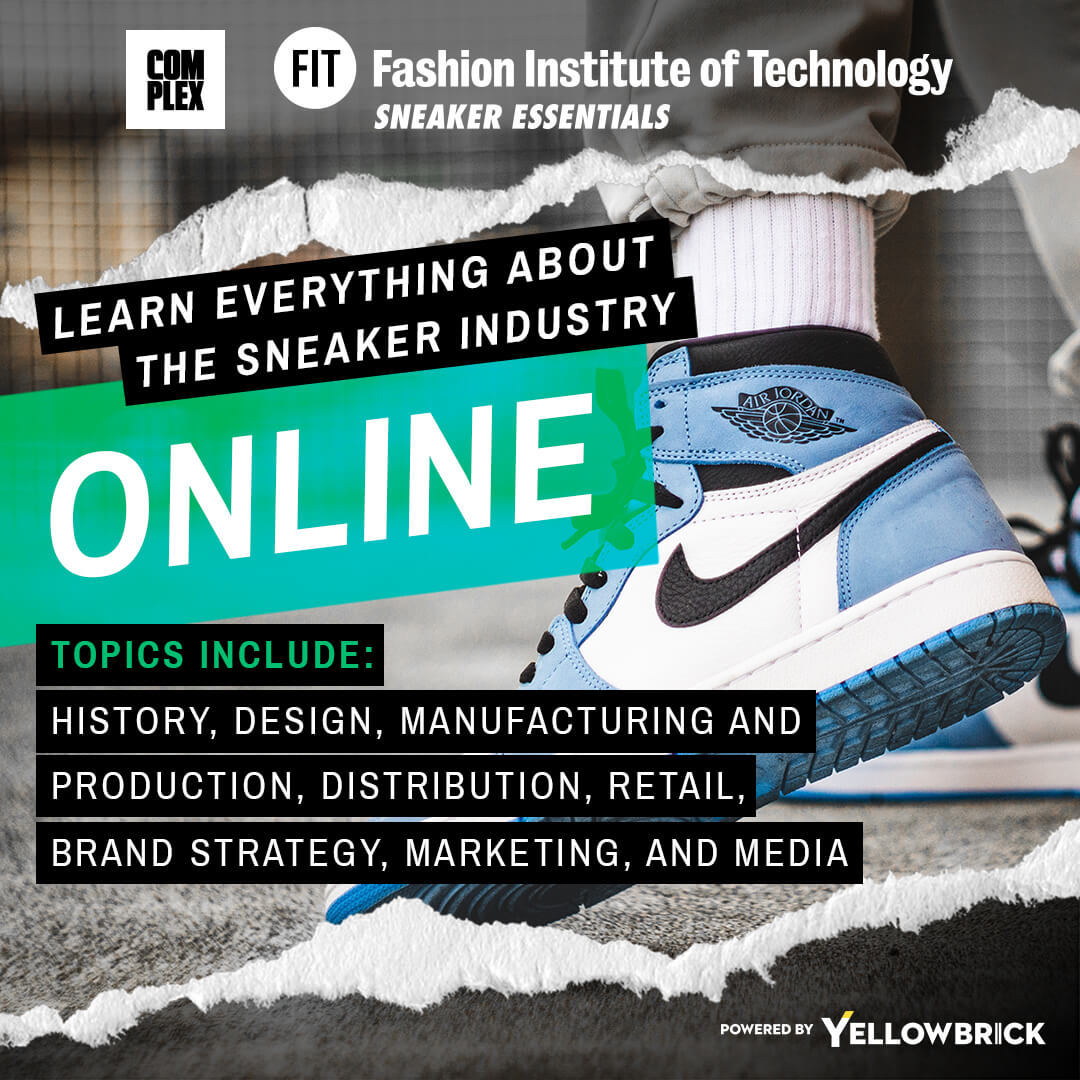
Remember to stay informed about industry trends and consider exploring the FIT x Complex Sneaker Essentials online course and certificate program to enhance your skills and excel in the dynamic world of sneaker branding and marketing.