Starting your own sneaker brand is a dream for many aspiring entrepreneurs. The sneaker industry is booming, with endless opportunities for innovative and creative brands to make their mark. If you have a passion for sneakers and a vision for your own brand, this guide will walk you through the essential steps to kickstart your journey in the sneaker business.
Research and Planning
Before diving headfirst into starting your own sneaker brand, it’s crucial to conduct thorough research and create a solid business plan. Research the current market trends, consumer preferences, and competitors in the sneaker industry. Identify your target audience and niche within the market to differentiate your brand and carve out a unique position.
Your business plan should outline your brand’s mission, vision, target market, product offerings, marketing strategies, and financial projections. Consider factors such as production costs, pricing strategies, distribution channels, and potential revenue streams. A well-thought-out business plan will serve as a roadmap for your brand’s success and help you navigate the competitive landscape of the sneaker industry.
Brand Identity and Design
Creating a strong brand identity is essential for establishing a memorable and recognizable presence in the market. Define your brand’s values, aesthetics, and story to resonate with your target audience. Develop a distinctive logo, color palette, and visual elements that reflect the essence of your brand.
When it comes to designing your sneakers, focus on innovation, quality, and style. Collaborate with talented designers or hone your own design skills to create unique and appealing sneaker designs. Pay attention to details such as materials, construction, comfort, and functionality to ensure that your sneakers stand out in terms of both aesthetics and performance.
Manufacturing and Production
Finding the right manufacturing partner is crucial for bringing your sneaker designs to life. Research and vet potential manufacturers to ensure they meet your quality standards, production capacity, and ethical practices. Consider factors such as production lead times, minimum order quantities, and cost efficiency when selecting a manufacturing partner.
Collaborate closely with your manufacturer to oversee the production process and ensure that your designs are executed to perfection. Conduct quality control checks at various stages of production to maintain the integrity and consistency of your sneaker brand. Building strong relationships with your manufacturing partners is key to delivering high-quality sneakers to your customers.
Marketing and Brand Promotion
Effective marketing and brand promotion are essential for generating awareness, attracting customers, and driving sales for your sneaker brand. Develop a comprehensive marketing strategy that encompasses both online and offline channels to reach your target audience.
Utilize social media platforms, influencer partnerships, content marketing, and digital advertising to create buzz around your brand and engage with potential customers. Participate in sneaker events, trade shows, and collaborations to showcase your brand and connect with sneaker enthusiasts and industry insiders.
Distribution and Sales
Choosing the right distribution channels is critical for reaching your target market and maximizing the reach of your sneaker brand. Consider selling your sneakers through your own e-commerce website, retail stores, pop-up shops, and online marketplaces to cater to different customer preferences and shopping behaviors.
Implement effective sales strategies, such as limited-edition releases, exclusive collaborations, and promotional campaigns, to drive excitement and demand for your sneakers. Provide exceptional customer service, seamless shopping experiences, and reliable shipping options to build trust and loyalty with your customers.
Financial Management and Growth
Managing the financial aspects of your sneaker brand is vital for long-term sustainability and growth. Keep track of your expenses, revenues, and cash flow to maintain financial health and make informed business decisions. Monitor key performance indicators, such as sales metrics, inventory turnover, and profit margins, to assess the performance of your brand and identify areas for improvement.
Invest in branding, marketing, product development, and customer experience to enhance the value proposition of your sneaker brand and drive growth. Explore opportunities for expansion, diversification, and strategic partnerships to scale your business and establish a strong presence in the competitive sneaker market.
Conclusion
Starting a sneaker brand is an exciting but challenging journey that requires creativity, strategy, and persistence. By building a strong brand identity, delivering high-quality products, and connecting authentically with your target audience, you can carve out your place in the booming sneaker industry. With careful planning, smart execution, and a passion for innovation, your sneaker brand has the potential to grow from an idea into a thriving business that makes a lasting impact.
Key Takeaways:
- A solid business plan with clear market research, target audience, and financial strategy is essential.
- Strong brand identity and innovative, high-quality sneaker design set your brand apart.
- Reliable manufacturing and strict quality control ensure consistent products.
- Effective marketing through social media, influencers, and events drives awareness and engagement.
- Strategic distribution channels and creative sales tactics build reach and demand.
- Smart financial management and continuous investment in growth sustain long-term success.
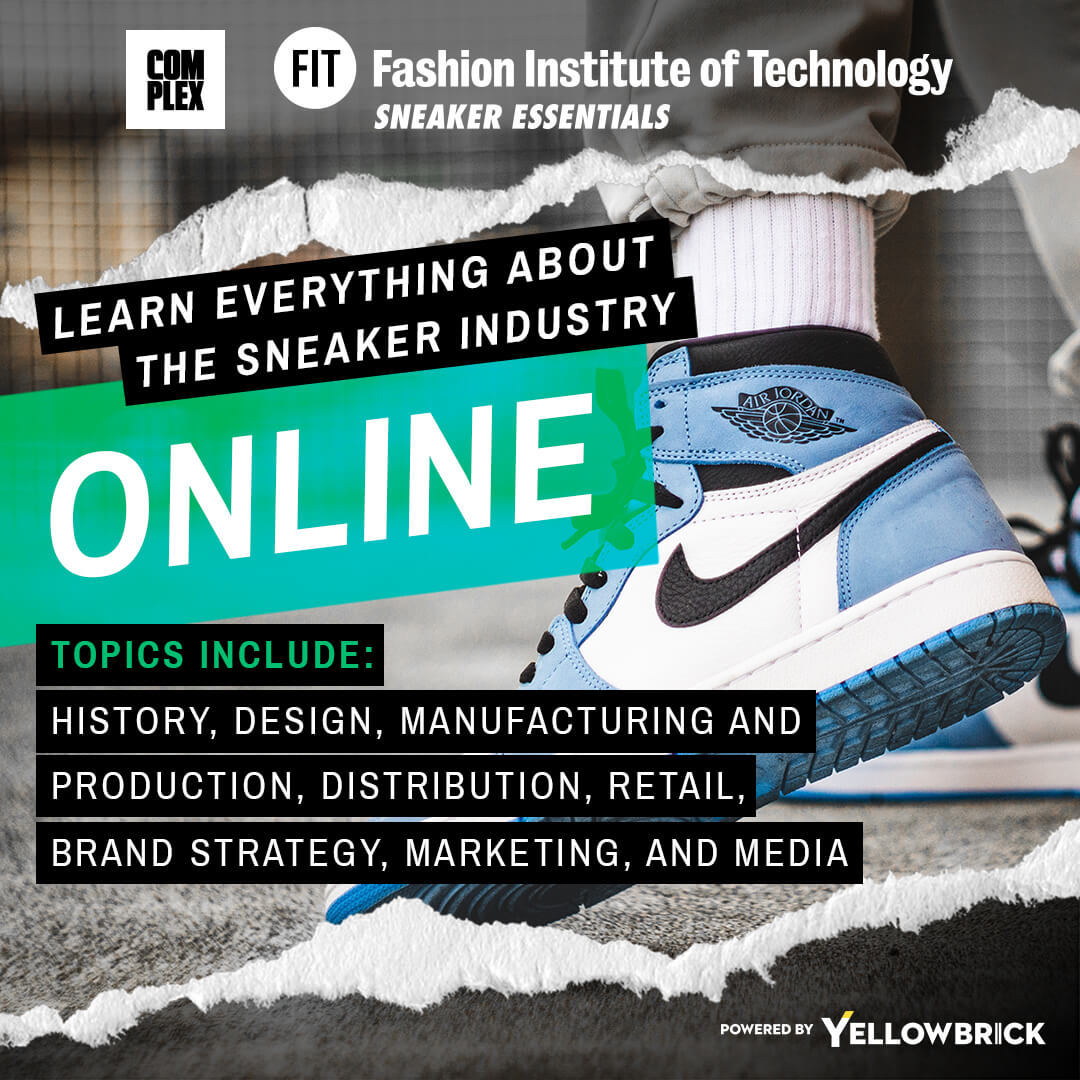
For further insights and a structured approach to navigating the sneaker industry, consider exploring the FIT x Complex Sneaker Essentials online course and certificate program offered by Yellowbrick. This program can provide you with valuable knowledge, skills, and industry insights to elevate your sneaker brand and propel your entrepreneurial journey to new heights.