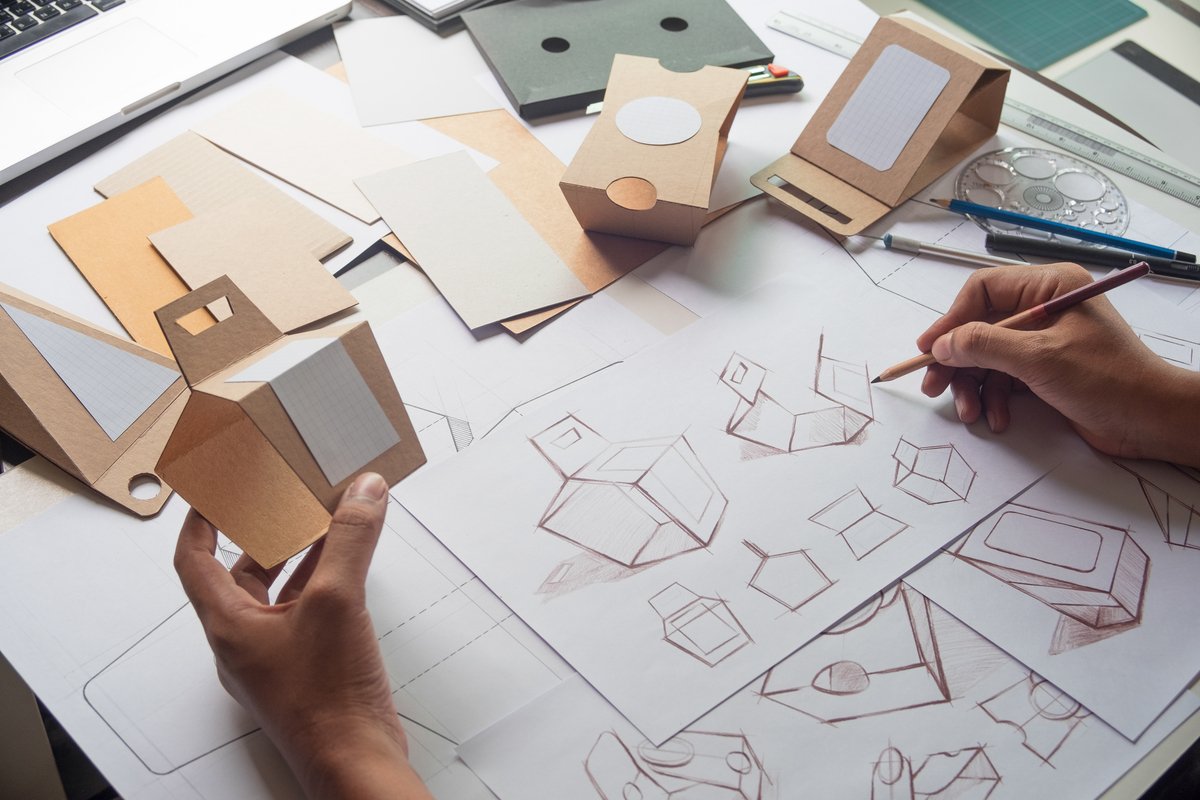
Product Prototyping: Top 10 Jobs and Skills in Digital Design

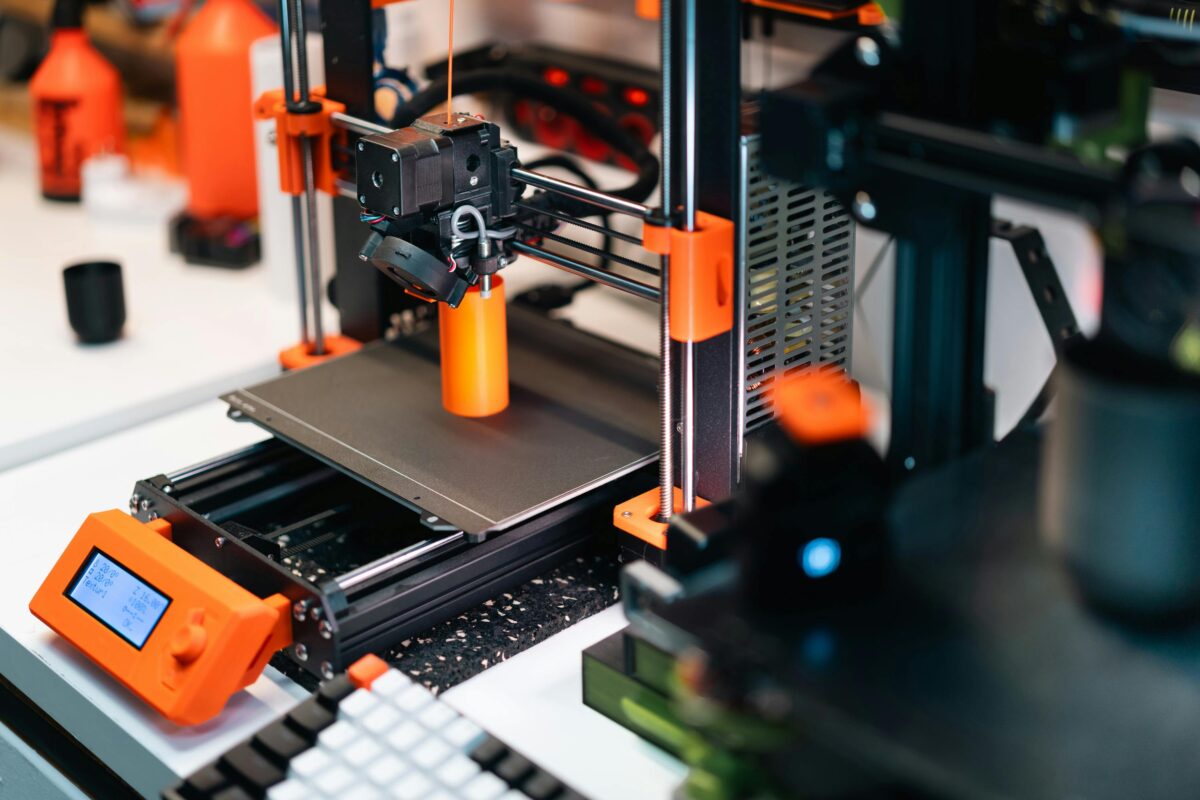
Explore the importance of product prototyping, discover methods, tools, top jobs, and essential skills for success in this dynamic field.
Explore the importance of product prototyping, discover methods, tools, top jobs, and essential skills for success in this dynamic field.
Dive into the dynamic world of digital product design, explore top job roles, required skills, and get your career journey off to a strong start.
Explore top jobs in the UX design career field, learn key skills for success, and get valuable tips to kickstart your journey in the dynamic world of UX design.
Explore roles in product design packaging from graphic designers to supply chain managers. Understand their duties and how they contribute to a successful product launch.
Explore how to create a stellar product design portfolio to unlock exciting career opportunities. Discover effective strategies for showcasing your skills.
Discover how a product design course can boost your career. The blog post delves into top product design roles and how to curate a compelling portfolio.
Explore extensive information on product designer salary trends, career progression, and industry insights. Stay informed with our comprehensive blog post.
Explore the top 10 careers in product design and how a product design internship can kickstart your career in this dynamic, competitive industry.
Hey there, fellow product designers! If you’re anything like us, you’re always on the hunt for ways to whip up that perfect, swoon-worthy product. You know, the kind that not only stands out from the crowd but also tugs at the heartstrings of users, making them fall head over heels in love.
Well, today’s your lucky day! We’re about to spill the beans on 10+ product design tips that are bound to cast a spell on your users and leave them utterly smitten. With these tips in your arsenal, you’ll be a veritable love potion master in no time. So, buckle up and get ready for a wild ride, as we dive headfirst into the enchanting world of product design!
You know what they say – you never get a second chance to make a first impression. That’s why it’s crucial to ensure your product’s design is love at first sight for your users. Make sure to craft a sleek and inviting interface, with an intuitive layout that gently guides users through the experience. Remember, if you don’t make a great first impression, your users might just swipe left and never look back!
When it comes to design, sometimes less is more. An overcrowded interface with too many bells and whistles can be a real turn-off. Embrace minimalism and keep things clean and simple. Focus on the essentials, eliminate distractions, and ensure your users can easily navigate your product without feeling overwhelmed. After all, nobody wants to play “Where’s Waldo?” with your app’s features.
Want to know the secret to your users’ hearts? Just ask them! Be open to feedback and listen to what your users have to say. Actively solicit input through surveys, focus groups, or in-app prompts, and then use that feedback to refine your product. Remember, happy users are loyal users, and there’s no better way to make them feel heard than by taking their suggestions on board.
They say the devil’s in the details, and when it comes to product design, we couldn’t agree more. It’s the little things that can make all the difference between a good product and a great one. So, go the extra mile and pay attention to the minutiae – from button placement to font choices, from micro-interactions to delightful animations. You’ll be surprised how these tiny tweaks can add up to create a truly unforgettable user experience.
We all know that colors have the power to evoke emotions, so why not use them to your advantage? Choose a color palette that not only complements your brand but also creates the perfect mood for your users. Consider using soothing colors for a calming app experience, or vibrant hues to energize and engage. Remember, the right color palette can make your users feel all warm and fuzzy inside – and who doesn’t love that?
If your product’s design is all over the place, you’ll leave your users scratching their heads in confusion. Ensure your product’s design is consistent across all screens, platforms, and touchpoints. Establish a cohesive design language that carries through from your logo to your interface, and watch as your users fall in love with the seamless experience you’ve created.
You know what they say – different strokes for different folks! Don’t be afraid to let your users have a say in their own product experience. Allow them to personalize settings, choose themes, and tailor notifications to their preferences. By giving your users a sense of ownership and control, you’ll make them feel right at home and deepen their connection with your product.
Who doesn’t love a little friendly competition? Inject some fun into your product by incorporating game-like elements such as points, badges, or leaderboards. Gamification can boost engagement, encourage users to explore more features, and give them a sense of achievement. Plus, it’s just plain fun – and who can resist that?
You can have the most beautifully designed product in the world, but if your users hit a snag and can’t get help, all that effort could go to waste. Make sure you offer top-notch support, whether it’s through in-app help, a comprehensive FAQ section, or responsive customer service. Show your users that you’ve got their back, and they’ll be singing your praises from the rooftops.
Rome wasn’t built in a day, and neither is the perfect product. Don’t rest on your laurels – always be on the lookout for ways to improve and innovate. Keep your users engaged and excited by continually updating your product with new features, enhancements, and refinements. Remember, there’s always room for growth, and true love means never settling for “good enough.”
The key to a successful product design is iteration. Make sure you rigorously test your product at every stage of development, and be prepared to pivot based on user feedback and real-world usage. After all, the proof is in the pudding – and there’s no better way to ensure your product is irresistible than by putting it through its paces.
Remember, the secret to a captivating product is a seamless blend of form, function, and emotion. So, get out there, put these tips to the test, and watch as your product becomes the talk of the town. Ready to create a product that’s impossible to resist? It’s time to get started!
At Yellowbrick, we’re committed to empowering designers like you with the skills and knowledge needed to excel in the ever-evolving world of product design. Our Product Design Essentials Course, developed in partnership with Parsons faculty and design gurus from top-notch organizations, will give you the strong foundation you need to succeed in this competitive industry.
In our comprehensive course, you’ll learn how to ask the right questions to understand user needs, market demands, and production options. You’ll discover how to set user objectives, identify potential risks, and overcome obstacles. Moreover, you’ll gain valuable insights into the intricate dance of design, manufacturing, and marketing elements in the product creation process.
By mastering product specifications and producing accurate documentation, you’ll be well-equipped to tackle fabrication, costing, product development, marketing, and sales. So, why wait to jumpstart your journey to success? Explore our courses today and unlock your true potential in the thrilling world of product design!
As we enter a new era of awareness and responsibility, sustainability has emerged as a buzzword within the design industry. Our planet faces unprecedented environmental challenges, and it is the duty of designers to respond with products that minimize ecological harm and maximize social and economic benefits. Sustainable design is a holistic approach that considers every aspect of a product’s life cycle, from its inception to its eventual disposal.
Sustainability in design is driven by two factors. Firstly, consumers demand more features and capabilities, which require additional materials for production. Secondly, there’s an increasing responsibility for designers to take a proactive role in reducing environmental damage. By adopting sustainable design principles, designers can minimize waste and resource consumption, creating products that positively impact society and the planet.
In this article, we will delve into the world of sustainable product design and explore the innovative strategies that designers are using to make a real difference. By adopting a sustainable approach, designers can help to create a better world for us all – one product at a time.
As we just mentioned, sustainability in product design is a crucial concept that has gained widespread attention in recent years. At its core, sustainable product design is the practice of creating products that meet the needs of the present without compromising the ability of future generations to meet their own needs.
To achieve this, sustainable product design takes a holistic approach, considering every stage of a product’s lifecycle from design to disposal. This includes minimizing the amount of resources used in production, reducing waste and emissions, and ensuring that products can be reused, recycled, or safely disposed of at the end of their life.
By incorporating sustainable product design principles into their work, designers can create products that are not only functional and aesthetically pleasing but also contribute to a more sustainable and just world. This is increasingly important as consumers become more environmentally and socially conscious, and demand for sustainable products continues to grow.
Designers are taking on a vital role in shaping the future of our planet by adopting various strategies to make their products sustainable. These strategies go beyond just the product’s design and extend to every aspect of its lifecycle, from production to disposal. Some of these strategies include:
One of the primary ways designers are making their products sustainable is by choosing eco-friendly materials. Sustainable materials are those that are biodegradable, recyclable, or made from renewable resources. By choosing these materials, designers are reducing the environmental impact of their products and minimizing waste.
Another strategy is designing products for durability. Durable products last longer, and therefore require fewer replacements, resulting in less waste and a reduced environmental impact. Designers can achieve this by selecting materials that are sturdy and resistant to wear and tear.
Modular design is another approach to sustainable product design. This involves designing products in such a way that they can be easily disassembled and reassembled, allowing for easy repair and maintenance. This reduces the need for replacement and prolongs the product’s lifespan.
Modular design is gaining recognition as an effective approach to sustainable product design, as it allows for easy disassembly, repair, and maintenance, ultimately reducing the need for replacement and extending the product’s lifespan.
Minimalist design is another approach that designers are using to create sustainable products, reflecting the growing trend of conscious consumerism. By deliberately simplifying the design and functionality of a product, designers are not only minimizing the use of resources and reducing waste, but they are also emphasizing the importance of purposeful consumption. In a world where consumerism is often driven by superficial features and short-lived trends, minimalist design offers an alternative that prioritizes quality, longevity, and sustainability.
Circular design is another important approach to sustainable product design that seeks to create products that are part of a closed-loop system. This means that the product is designed with the end of its life in mind, and can be easily disassembled, reused, or recycled. By designing products with circularity in mind, designers are reducing waste and extending the life of materials, creating a more sustainable and efficient system.
Embracing Sustainability and Collaboration
Designers are continually pushing the boundaries of sustainable product design by embracing innovative strategies that make a real difference. For example, some designers are incorporating upcycling into their design process by repurposing discarded materials to create new products. Others are exploring the potential of biodegradable materials and biomimicry to create products that not only minimize waste but also have a positive impact on the environment. These efforts are inspiring consumers to rethink their consumption habits and consider the environmental and social impact of their purchases.
Collaboration is also a critical aspect of sustainable product design, and designers are partnering with stakeholders to create more sustainable products. For instance, some designers are working with manufacturers to develop more sustainable production processes and ensure that products are ethically and sustainably produced. Other designers are collaborating with local communities to create products that address specific environmental and social challenges. Through these collaborations, designers are making a difference in the world and showing that sustainable product design is not only possible but also beneficial for society and the environment.
As we draw the chapter to a close on the importance of sustainability in product design and the strategies that are being utilized, it becomes clear that designers who adopt this philosophy are not only creating environmentally-friendly products but also igniting a new era of innovation and responsibility. By prioritizing sustainability in product design, designers can craft a brighter future where consumers, businesses, and the planet can coexist in harmony. This necessitates a collective commitment to making a positive impact on the world, but with dedication and innovation, the possibilities are infinite.
At Yellowbrick, we are dedicated to empowering designers with the skills and knowledge they need to succeed in modern product design. Our Product Design Essentials Course, developed in partnership with Parsons faculty and design experts from leading organizations, helps you build a strong foundation in product design by exploring the key trends shaping the future of the industry.
Our course will equip you with the necessary skills to ask the appropriate questions to comprehend user needs, market demands, and production options. You will learn how to establish user objectives and needs, as well as anticipate potential risks and obstacles. Furthermore, you will acquire an in-depth understanding of how design, manufacturing, and marketing elements collaborate in the product creation process. By finalizing product specifications and producing accurate documentation, you will be better prepared to manage fabrication, costing, product development, marketing, and sales.
Don’t wait to start your journey towards success – explore our courses today and unlock your potential!