Sneakerhead Talk: Sneakers and Personal Identity

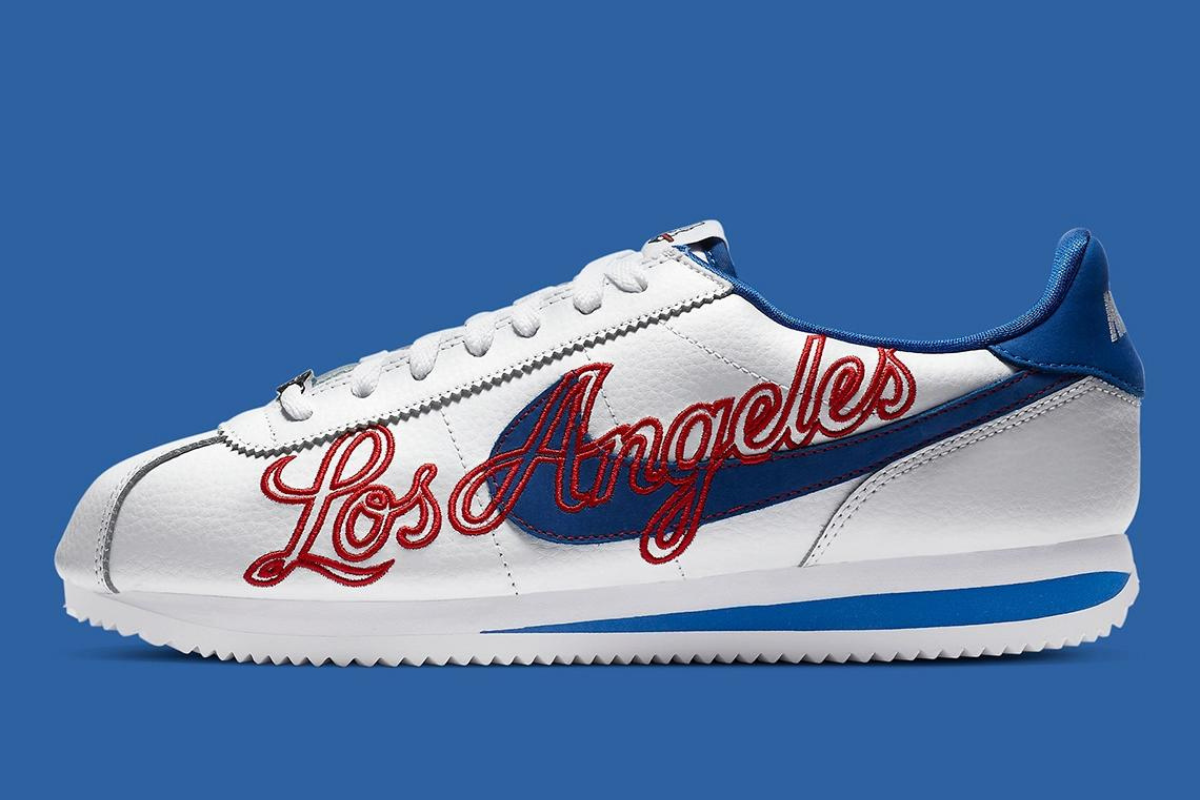
Sneakerhead culture has significantly grown since the 1980’s. As music and sports embraced sneakers, the industry’s influence on shaping the identity of its consumers has been visible. Whether it’s repping you’re hometown or your favorite sports team, sneakers have emerged as an visual way to express who you are. Russ Bengtson, sneaker writer and editor, spoke to Yellowbrick about how sneakerheads have found identity through sneakers.

Watch the full video to learn about:

  • How sneakers can be a reflection of one’s personality.
  • The impact NCAA sports has had on the sneaker industry.
  • Brands’ ability to capitalize off of raising prices.

Sneakerhead Locale

“There has always been a bit of a split between East Coast and West Coast when it comes to sneakers. I grew up on Long Island in New York,” says Bengtson. “There has always been a lot of overlap between the two coasts, but you had shoes like the Chuck Taylors and the Nike Cortez that really make an impact on the West Coast.”

“The East Coast — especially New York — is different because a lot of people don’t have cars. Instead, your sneakers would really be where your status would come from. Maybe in California, you would get away with other things because you had a car. Your car would be your status,” Bengtson continued. “In New York, your shoes are your status. In this area, you’re dealing with subways and crowded streets. You gain respect from making sure your shoes don’t get stepped on and making sure your shoes don’t get taken. This doesn’t happen as often as it used to, but it was something significant. Shoes were something you’d protect and place quite a bit of value on.”

Team Love

“Before we talk about people, we have to talk about basketball programs, team colors, certain athletes being on certain teams, and how those things affect sneaker culture,” says Bengtson. “You would want powder blue Uptowns (Nike Air Force 1’s) because North Carolina was crushing teams. This was before the golden era, when everybody was rocking the starter jacket and the jersey, before the Mitchell & Ness phenomenon,” he explains. “Going back to my childhood, it was about watching North Carolina and Duke, watching UCLA, wearing the powder blue and maize, or any other colorway. It was about Boston College, wearing the burgundy and mustard.”

Although individual endorsements weren’t popular during this time, it was standard practice for college teams to have endorsements deals. As a result, teams and brands were closely affiliated. “North Carolina had the weapons and all of the emerging styles under Converse. Georgetown had the Hoya Nikes — the midnight blue with the smoke gray,” recalls Bengtson. “With college basketball teams, you had the particular colors of their uniforms all the way to brand Jordan. All of a sudden, you had these college teams’ colors on everybody’s feet around the way.”

The Price of Being a Sneakerhead

“When sneakers would get popular, it wasn’t always just because of who was wearing them. In some cases, it would even be about how expensive they were,” Bengtson remembers. “You can look at something like the Adidas Forum, which didn’t have any player associated with it. Players wore it, but it wasn’t necessarily a signature model. However, people still wanted it because of how expensive it was.”

For sneakerheads, price and exclusivity adds to allure. “A lot of these brands that didn’t necessarily make a lot of noise in other spaces were able to have an impact because of the price tag and because of the status that the shoe gave you, says Bengtson. “When it really comes down to it, in a lot of places, the sneakers you wear are a lot more meaningful than just being a pair of shoes. They say a lot about what you value and what you identify with, and they have a real effect on the way other people view you.”

You can learn more about the history and future of the sneaker industry by exploring Yellowbrick’s Sneaker Essentials online course.
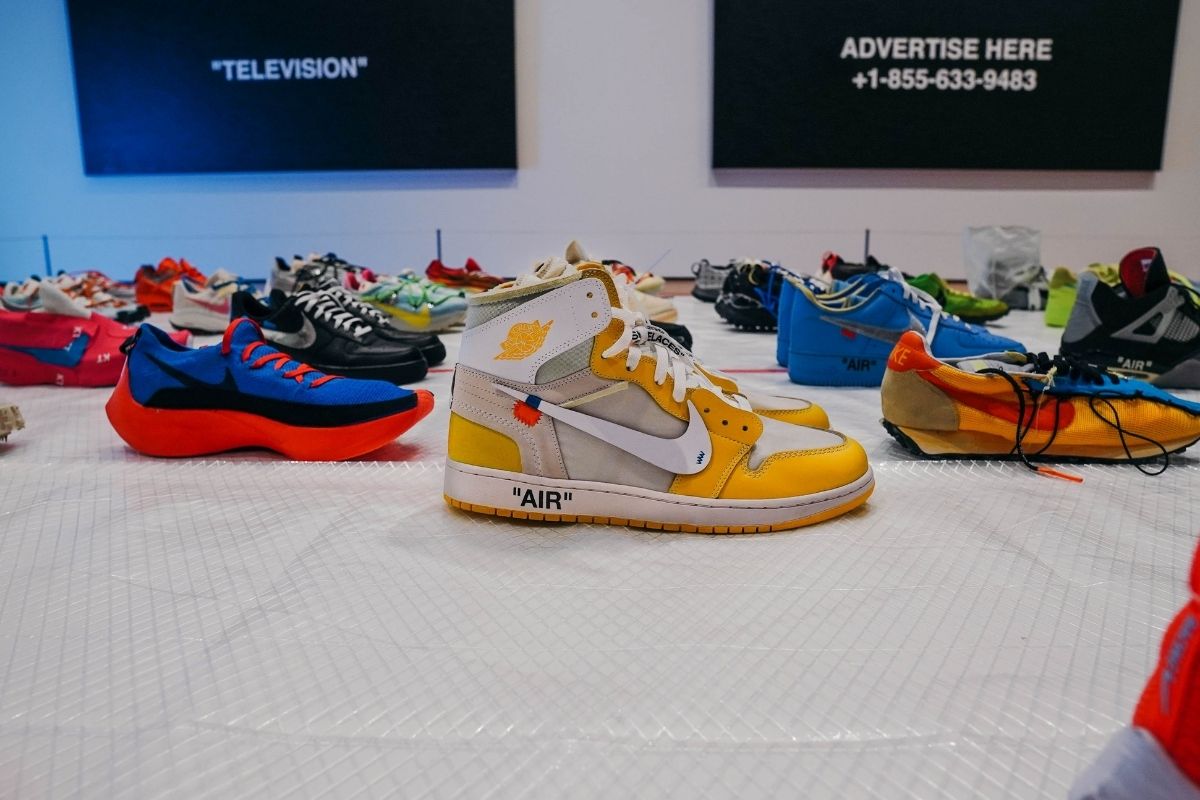
Online Sneaker Education: The Evolving Sneaker Industry

On-court sneaker coverage in the NBA has definitely changed. In the ’90s with Michael Jordan, you had to wait and watch the game and see what they were wearing on TV and kind of squint and try to match what you saw in the sneaker store to what they were wearing on their feet. Now, we have 4K cameras and HD TVs. You can see every detail, and there are a lot more choices in terms of on-court basketball sneakers than there used to be.

There used to be four colors of Air Jordans every year. Now, there are eight colors of Air Jordans that come out a month. Now, there are websites and blogs that are just dedicated to what NBA players are wearing on court. I think it’s changed along with how technology and the internet has evolved. It’s just made everything a lot more accessible.

Building the business of sneaker media is a topic discussed in the sneaker education course.

Sneaker Blogs Over Time

“Nice Kicks” was, in a way, the Forefathers of the Blog era when it came to sneakers. You know, the blog was the “who, what, where, when, and why” of athletic shoes. Then, when that blog caught on, a lot of other companies were developing blogs. They were predecessors of, “Sneaker News” and “Hypebeast” and, of course, “Complex.” These sites were the original group to kick off the popularity of shoe blogs and online sneaker education.

I remember “Nice Kicks” and “The Shoe Game.” “Sneaker Files” was another of the early ones. These were the first pillars of popular shoe media and sneaker education. However, you’ll remember that I was saying that those blogs didn’t get invited to press trips and press unveilings back in the day. Now, they’re on the priority list for brands.

“Bobbito’s Confessions of a Sneaker Addict” was essentially the first recorded piece of sneaker media. I actually remember talking to Bobbito about this, and I remember him telling me that before his blog, the only way that you could see athletic shoes in the media were during basketball games. He would say that viewers would hope that a player got injured so the camera would shoot a close-up on their feet so they could see what shoes athletes were wearing in the NBA.

That was the first time you saw someone write passionately and knowledgeably about the subject of sneakers, and it was in a legitimate magazine. I think that was really the genesis of all of athletic shoe media. Then, from there, Bobbito went on to write the first book about the sneaker industry, “Where’d You Get Those,” which is, I think, over a decade old now.

That’s the beginning of the print age, and then, SLAM launched “Kicks” magazine, started by Russ Bengtson, and that was the first real magazine dedicated to this type of shoe. That was an offshoot of SLAM.

Then, you have the internet age that came in. Sneaker blogs really started first with forums and message boards like “Nike Talk” and “ISS,” which eventually turned into “Sole Collector.” These forms were kind of like hives of sneakerheads where these people would post leaks or things that blogs pretty much cover now. The difference between forums and message boards was that you could have actual interaction with other people in the community, where opening up a print magazine, you really couldn’t have that.

Now, it’s kind of evolved to web blogging. Those forms and those message boards turned and evolved into actual publications with branding. The heads of these sites could curate the news and things that were covered and then still have a lively comment section where there’s a community of sneakerheads interacting with the content and interacting with each other.

Fast forward to the mid to late 2000s, that era turned into social media and online blogs. Then, even shorter, easier versions of blogging, basically, where everything was in 140 characters or less. Everything could just be as simple as an image with a caption. Through that, you start to see the arc of where sneakers on the internet and how people who are consuming this content grew. None of that would have been possible without “Bobbito’s Confessions of a Sneaker Addict.” That was really the start of everything.

The History of Nike’s Presence at the Olympics

The Olympics have always been a big opportunity for not only sneaker companies and the sneaker industry, but also for fans of sneakers or sneaker fanatics. You always see a lot of new things in the Olympics. This has been true back as far as the ’30s. One example of Olympic branding opportunities was when Jesse Owens wore Dassler Brother track spikes when he won multiple golds in Nazi Germany. If you look at a lot of Adidas’ classic trainers, you could call them all-purpose trainers, you’d have stuff like the Rome and the Montreal, or the SL72. A lot of those classic trainers are named after either cities where the Olympics were held in. Companies have also used the year the Olympics occurred, in the case of the SL72. Adidas dominated that market for a long time, if for the only reason that they had sort of that grasp on the European market and on doing all-purpose trainers. Nike didn’t exist as Nike until 1972. In starting Nike, Bill Bowerman and Phil Knight got runners wearing the shoes. Steve Prefontaine was a big example. He was an Olympic runner from Oregon. He Died tragically in a car accident when he was in his early 20s. He didn’t even get a chance to run in what would have been hopefully his redemption Olympics. He’s the person on whom Nike based a lot of the ideals of their running business, where he would come out so strong and want to just run everybody into the ground. He would not be able to carry through the line, even though his records did stand for a very, very long time. I believe some of them still do. Later on, if you want to jump ahead, you would get Michael Johnson in 1996 running in gold spikes. That was a big historical event in sneaker education. The gold shoes. There was just something so prideful about that. I was in college at the time having our athlete kick butt on the world stage in our country wearing gold shoes. Nothing said “America” more than that in my mind- his swagger, his dominance, and those shoes were just kind of a perfect combination for saying, “Welcome to the United States, we’re here to kick your butt in track, and we’re going to have the world’s best athletes in the world’s best footwear.” That’s what I really remember distinctly when it comes to shoes in Olympic games. The Olympics is a very important platform for sneaker brands to show off their latest technology. Nike, in particular, always takes advantage of this stage. In 2008, they brought out their lunar cushioning foam. That went on to be an important piece of sneaker technology for the brand for years to come so remember that as you continue your online sneaker education. In 2012, at the Olympics, Nike used that platform to roll out Flyknit, which of course is now a billion-dollar franchise. Nike is the brand that most takes advantage of the Olympics, but of course, everyone wants to be part of this gigantic global sporting moment. I think the amount to which brands want to put their logos on athletes for these types of moments, like the Olympics, shows just how incredibly important it is for them. This is true whether the logo is on the athletes when they walk in or when they’re on the medal stand. There’s a famous story from the 1992 dream team. Michael Jordan didn’t want to show the Reebok logo on his Team USA jacket, so he put the jacket over his shoulder or obscured the logo. This was because he was a Nike athlete, because he is such a huge Nike guy. Nike had paid him so much money up to that point and continues to make him billions of dollars. There was no way he was going to show off a Reebok logo. So if you look at the images from that event from that medal stand, a couple of the Nike guys are very carefully obscuring the logos on their Reebok jackets. You had much of the dream team in ’92 wearing Nikes. It was Michael Jordan in his 7s with the number 9 on the back, Scottie Pippen in the Air Flight Lite, and then even Charles Barkley, David Robinson, and John Stockton all in different Nike inline models done up specifically for the ’92 Olympics. I remember seeing them in stores, and again, that was like innovation, an event marked in a specific time. Unfortunately, with an event, if you bought it right then, you were of the moment. It was perfect, but just for those moments. Six months from then, it didn’t really matter how cool the shoe was. The event was over. In those days, especially in the early ’90s, before retro really became a big thing, it was more important to be in the moment and have whatever the cool shoe was right then. If you are wearing Air Jordan 1s in 1990, that wasn’t necessarily cool. That was sort of saying you’re behind. What are you waiting for? So the Olympics would always mark something and establish it as the new thing, whether it was the Lunar Racer, or the first Hyper Dunk, or the Flyknit Trainer and the Flyknit Racer. It was an opportunity to look at Nike. Adidas did the “made in Germany” Prime Knit for the Olympics, and you know those are very, very hard to find, but the Olympics is still that showcase for new technology and new shoes.

if(window.strchfSettings === undefined) window.strchfSettings = {};window.strchfSettings.stats = {url: “https://yellowbrick-co.storychief.io/en/the-history-of-nikes-presence-at-the-olympics?id=2016820546&type=2”,title: “The History of Nike’s Presence at the Olympics”,id: “a31febc5-c31d-435b-9c43-2aa027c870b0”};(function(d, s, id) {var js, sjs = d.getElementsByTagName(s)[0];if (d.getElementById(id)) {window.strchf.update(); return;}js = d.createElement(s); js.id = id;js.src = “https://d37oebn0w9ir6a.cloudfront.net/scripts/v0/strchf.js”;js.async = true;sjs.parentNode.insertBefore(js, sjs);}(document, ‘script’, ‘storychief-jssdk’))

Lower Barriers to Entry in the Sneaker Industry

Sneaker media now is about a lot more than just writing about when the shoe is coming out and which stores will carry it. You have to figure out what people in the scene care about. You have to create video content that can kind of give your own spin on that shoe beyond the objective facts around how much it is and how limited it’s going to be.

Sneaker education, and particularly online sneaker education, have opened up the world of sneaker design and media to more people around the world than ever before. There are just so many more voices out there.

It’s also interesting because now, brands are kind of competing with sneaker media. When sneaker blogs first came about, brands and the sneaker industry in general hadn’t really figured out how to tell their own stories around shoes, so they had to rely on websites like Sneaker News or Complex to tell those stories for them.

Now, the brands have their own ways of telling these stories and are increasingly more interested in doing so because they can control those narratives and they can create them on their own terms. There’s a little bit of a push-and-pull now in that relationship because brands would rather tell the stories themselves in a lot of instances.

Sneaker media is something that evolved as a reaction to sneaker culture. I feel like you had people who were super interested in sneakers. You could see that in something as simple as basketball.

Not to make Michael Jordan an example of everything, but Air Jordan, to some people, was as big a deal as Michael Jordan himself. Regular media, whether it’s newspapers or even magazines, were sort of slow to pick up on that. You would maybe get a photo of a sneaker somewhere.

I believe it was in 1987 that Sports Illustrated wrote a little column next to a piece on Michael Jordan about the Air Jordan 2. That was a huge moment and something that I cut out. I think I still have it somewhere because it was a whole thing specifically on the shoe.

This is off-topic a little bit, but that was the attainable part of Michael Jordan’s sort of magic. It’s like you couldn’t literally be Michael Jordan, but you could wear the same shoes he did. To find something you could read about that shoe was really special back then.

This was even before Bobitto wrote his piece in The Source. That piece took this thing that a lot of people were interested in, and one person who knew a lot about it talked about it. That made a lot of people realize, “Hey, I’m not alone in this.” I think we all had friends we talked about sneakers with, but knowing it could be this thing was super important.

I remember when I was writing to SLAM to try and write for them. One of the reasons I wanted to is because I knew the first Air Jordan Retros were coming out in 1994 or 1995, probably because they were in a magazine. I forget who mentioned it. But I wanted to write about them somewhere, and SLAM seemed like the place I would be able to do that.

Sneaker media before that was a very service-oriented thing, whether it would be Consumer Reports talking about something or specifically running magazines. I think those magazines probably don’t get enough credit. Magazines like Runner’s World talk about running shoes, but as a tool. They’re not talking about it as if it’s cool because it has this visible airbag. It’s like, “No, we ran in this for 500 miles, and here’s what we liked about it, and here’s what we didn’t.”

Since then, obviously, it’s blown up everywhere. Bobbito did a sneaker show on ESPN. You had web-based sneaker shows even just in the Complex network, whether it’s Full Size Run or Joe La Puma doing Sneaker Shopping or DJ Clark Kent and me doing Quickstrike, which predated a lot of those things.

It was a matter of knowing an audience is out there and convincing someone to take the chance on you to serve that audience. I think that’s the most important part — the audience was there, and the interest was there. The audience just needed that product to serve them, and it grew up around them.

The Impact of Viral Marketing on the Sneaker Industry

There are a lot of ingredients that go into making a viral piece of content. Obviously, there are the technical aspects with how many shares, how many comments it gets, and the SEO value of the headline that you put in. Those are big factors.

Another factor is, say it’s an interview, being brave enough to ask the right question that is going to get the right answer. One example that comes to mind is the sneaker shopping episode with Bella Hadid. Through that interview, there was a real viral moment where Joe asked her what sneakers a guy must be wearing to approach her.

“If homeboy is coming through with these, it quiet. Yeah, no, it’s quiet for him. But, like, if he comes through in these, you’ve got some Air Maxes out here, you’ve got some Jordans, homeboy’s going to, like, get it,” says Hadid.

One of these viral moments that really comes to mind is DJ Khaled on “Complex Closets.” Khaled’s famous line, “Congratulations, you played yourself,” became one of his catchphrases, and that was the first time you heard it, and it was memed. It was GIFed all over the internet.

It’s a combination of all of those things – just knowing the back-end part of it and knowing the right keywords and the right tags, and you also have to know the right SEO headline. Just having the right subject, being brave enough to ask the right questions, and getting that right content is what really makes something go viral.

One of the most important things to remember for social media is that you have to give somebody something and help somebody in some way. A lot of people approach this in sneaker media and in other media basically about conversions, about how they want to use a tweet to get a click or use a tweet to sell a pair of sneakers and make a little bit of money off that. That’s good sneaker education, right there.

But you’ll find that it’s not really about that. You have to think first and foremost about how you’re helping your audience. What are you giving them? Are you giving them a piece of information? Are you giving them a cool shoe? Are you giving them a meme that they might find interesting? Are you giving them an opinion on something that they may not have heard before that may help color their decisions?

You have to actually give them something of value. You can’t just think about the numbers. We get lost in that a lot because we have to make numbers, but you have to consider what your audience wants and what you can actually give to them to create a bond. That only furthers the trust you have with the people who follow you, with the people who read the things you write or consume the videos you watch, so remember all of these as you continue your online sneaker education.

What makes a social media campaign or a regular media campaign really work is authenticity. That’s always going to be what matters. You could really be someone. You could be someone with 500,000 followers, and if all you want to do is get paid by companies to post things, people are going to catch on to that and realize that you’ll just post anything provided you get the right amount of zeros at the end of the check.

Eventually, your following is going to trail off, and people aren’t going to trust you. You need to build up an identity first if you’re a person working on your own thing and be true to that and recognize that as much as your identity as you share people are building up their own identity for you or getting a feel for what you’re into and what you’re not into.

That’s not to say that you can’t evolve or you can’t change, but if you’re kind of all over the map or if you’re only posting whatever the newest stuff is no matter what it is, eventually people are going to realize they can probably get that from somewhere else. The only thing you really have is yourself.

If you’re a brand, it’s sort of the same way. If you’re pushing something as the latest and greatest, and two months later, you’re pushing something else as the latest and greatest and have completely abandoned whatever came before it, people are going to remember that. And eventually, they’re going to start questioning whether this new great thing is really that great at all or whether they even need to pay attention to it because a month from now there’ll be something else.

So that’s the important thing–remembering that other people are going to remember this stuff too. You can’t just throw random stuff into the void and assume it’s going to go away because it’s not.

The Early Days of Blogs in the Sneaker Industry

Gary Warnett, who had his own blog, GWARIZM, passed away last year. He also wrote for sites like Complex, and Crooked Tongues, a forum that went into retail. He wrote for a bunch of brands and was probably the most notable sneaker writer of all time. In the early 2000s, sites like Hype Beast and Highs Nobiliety came up. Sneaker News and Complex really tapped into sneaker media. They started off really bare bones but they’ve become a lot more robust over the years, and now you have a lot of sites getting into sneaker coverage.

Sneaker Education in Media

GQ, the Bleacher Report, and Sports Illustrated are all covering sneakers now. Speaking of Sports Illustrated, they had a revolutionary article published, I believe, in 1990, called “Your Sneakers are Your Life.” It detailed a story in Chicago about a kid getting murdered over a pair of Air Jordans sneakers, and on the cover is a pair of Air Jordan 5s with a bookbag and a gun on them. That moment has always led sneaker journalism, especially from a very mainstream response.

A colleague of mine, Rich, started Kicks in the City, which has been around forever. Rich is a super important dude in the world of sneaker media. He did it all by himself for many years and really killed it. People don’t necessarily give Kicks in the City the credit it deserves, but it was one of the first, if not the first, sneaker blogs. For whatever reason, some other sites did a better job expanding their brand, but Rich was there first.

A little bit after, there was Kicksology. Professor K back in the day. These things all came from the forums. After that, it became commercialized a little bit to where people realized, hey, we can tell these stories and turn it into a business, rather than just a community. Now the game is overrun, and you have a million websites, a million Instagram accounts, a million Twitter accounts that serve this information.

Sneaker Media Evolution for Students in Online Sneaker Education

Back then, it was totally different. You didn’t have as many sources. You didn’t have as many shops taking photos of their sneakers and posting them online. I wasn’t working in sneaker media during that early era, but just looking back on it and seeing the kind of content people were creating, you can tell how different it is. How much they still had to learn. I mean, those things are important, but we’re really on a different level now as far as what we’re thinking about or what we can accomplish or basically how seriously the brands take us.

Online Sneaker Education: Sneaker Culture in Film and Video

This history of sneakers in film and videos really dates back to Spike Lee movies like “Do the Right Thing,” and “She’s Gotta Have It.” Lee helped bring sneaker culture to the forefront of film. There is one iconic scene in the movie “Do The Right Thing” where the character, Buggin Out, is wearing a pair of Air Jordan 4s. During this scene, his sneakers are run over by a passing bicyclist. This moment in the movie is, still to this day, one of the most powerful sneaker scenes in film history.

The famous movie scene not only displayed the Air Jordan 4 sneaker on the big screen, but it also exposed the idea of someone getting angry about their shoe getting scuffed. Afterward, Buggin went home and tried scrubbing out the scuff with a toothbrush. This is a very real feeling that all sneakerheads have felt. Spike Lee was able to bring this emotion to film because it was something he experienced himself.

This exposure led to Spike Lee, Nike, and Jordan forming a longer relationship. They worked together to develop stylized shoe commercials that resembled films. Their partnership was a starting point for sneakers in film and pop culture. After that, sneakers played a significant role in movies like “White Men Can’t Jump,” “Blue Chips,” and “Like Mike.”

If it weren’t for Spike Lee and his movie “Do The Right Thing,” we wouldn’t have the sneaker video content that we have today. Sneakers used to play more of a complementary role to performance, but nowadays, sneakers have become more of a main attraction. There is sneaker video content all over the web, on YouTube, and on Instagram.

Sneaker Industry

Sneakers have always been a big part of sports like basketball. However, these sneakers cater to a specific audience of people already predisposed to them. For example, any basketball fan that saw Michael Jordan wearing Air Jordans already knew about them, even if it was just peripherally.

In “Back to the Future,” Michael J Fox wore a pair of futuristic-looking Nike Macs that were almost the costar of the film. The shoes, and that particular part of the film, were both created by famous Nike designer Tinker Hatfield. This unique project was an excellent opportunity for a man who is creative on many levels to flex in an entirely different lane.

A Shift in Sneaker Culture

This shift in sneaker culture created an area in film and video where people would notice sneakers that they usually wouldn’t. Sneakers are often viewed as just a necessity. Just something that people have to buy their kids every year that often comes with a surprising price tag. But when you see something amazing like the Nike Mac in the movie “Back to the Future,” it raises awareness. Those shoes become so much more than just another piece of a school uniform.

Great Scott!

Sneakers like this have a cultural context to them. They represent this importance to another generation that people may not recognize. The futuristic sneakers designed for the movie “Back to the Future” became the future of shoes in reality when Nike created and sold the light-up, self-lacing shoes based on the film.

The cross-over commercial for Nike’s new Back to the Future-inspired sneakers launched in 2011. In the commercial, the shoe store employee shows the futuristic sneakers to the athlete customer. He’s talking about how the shoes light up when Doc shows up and asks if the sneakers are self-lacing. The employee tells him that they will be adding that feature in 2015.

Sneakers in Television

Popular television series like “The Fresh Prince of Bel-Air” and “Seinfeld: were iconic sitcoms, but they were so much more to sneakerheads. A true sneakerhead will never forget Will Smith, standing in the empty living room wearing his all-white Jordan 11s in the last episode of “The Fresh Prince of Bel-Air” or the episode of Jerry Seinfeld when he put his feet up on the coffee table, revealing his Air Jordan 7s.

These were all vital moments in the sneaker culture, and they happened before the internet was a big thing. Now websites like Complex make lists of the best sneakers aired on hit TV shows, and sneaker brands tell stories around these pop culture moments.

The Holy Grail of Sneakers

A Grail sneaker in the sneaker industry refers to that one sneaker that you would basically give up all of your other sneakers for. It is the crown jewel of your collection. Whether you have it or you don’t have it, it is that one piece that defines you as a sneaker collector and defines your collection.

Back in the day you would have to go through a lot of things to acquire your Grail. That could mean reaching out to someone overseas, searching in basements, or really wild things you probably wouldn’t have to do anymore. People would do it, though, because that one piece would define your collection and would define you as a collector. It’s the same as an art collector going after a rare or interesting piece of art. A Grail should mean something to you.

“Grail” is very loosely used nowadays in sneaker education or online sneaker education, but when it’s in its purest form, the stories mattered because that was a sneaker that you would go through great lengths to acquire. Nowadays, that’s made it a little easier because if you have enough money, you can get it.

Online Sneaker Education and A Production Career!

After learning about trademark law, copyright law, and patent law, another important part of sneaker education is learning about trade secrets. So what is a trade secret and how is it protected?

A trade secret is a business method, customer list, pattern, idea, or some other non-public piece of information that a company will go through great lengths to protect. Trade secrets are important because companies work tirelessly to develop independent ways of doing business and to create a special product or a process, and they need to protect these items. The information is used in business to create an opportunity to obtain an economic advantage over competitors that don’t have that information. A really famous example of a trade secret is the secret ingredients in Coca-Cola’s recipe.

How Do Trade Secrets Apply to the Sneaker Industry?

Companies like sneaker companies go to great lengths to protect their trade secrets. In 2014, trade secrets were a topic at the highest level when three former employees left Nike to join Adidas. These gentlemen left and allegedly took with them information relating to various aspects of the Nike brand, including their processes of making sneakers and other confidential information about marketing, promotion, and many things that we discuss in our book about the business side.

As soon as these three gentlemen announced that they were leaving Nike to join Adidas, Nike filed a lawsuit. In it, they alleged that these gentlemen were taking specific confidential information, otherwise known as trade secrets, and using it for their benefit and for the benefit of Adidas. In its complaint, Nike asked for damages of over $10 million, claiming that this information was extremely sensitive and highly valuable to their brand. The case ended up settling out of court. But eventually, these gentlemen made their way over to Adidas, soo it was worked out. But it just goes to show you the extreme lengths and costs that companies will go through to protect their trade secret information.

Because trade secrets are so sensitive, it’s hard to know which companies have what information. But companies spend a lot of money on research and development to create trade secrets and to gain an economic advantage over their competitors.

How Does a Company Protect Its Trade Secrets?

One method that companies use to protect their information is by having employees that come into the company sign NDAs. NDAs are “non-disclosure agreements,” and they protect exactly what trade secrets are, confidential information such as data, customer lists, processes, patterns, and other sensitive and highly valuable information. NDAs are useful. But they don’t always work because many employees leave, and they go and use the information elsewhere. Sometimes, it’s hard to prove that an employee has breached an NDA. So they’re used to create a chilling effect to make sure that employees know that there will be a liability if they disclose the information that they obtained through their relationship with the employer.

Another way that companies can protect their trade secrets is through restrictive covenants in their employment agreements. We’re not going to get into much detail on restrictive covenants in this module. But when an employee joins a company, the company will sometimes ask an employee to waive certain rights and to abide by certain restrictive covenants. So if an employee comes to a company and then leaves, they may be asked, for a certain period of time, to not work for a competitor, to not disclose confidential information about the company, and to not solicit other employees that have worked for the company. These are what are called restrictive covenants. They’re methods and tools that companies use to protect their trade secrets through employment agreements.

Another way that companies can protect their trade secrets is by filing a lawsuit. This is, obviously, the most final and nuclear option in the trade secret protection ladder, but this is sometimes the last and best option when sensitive trade secrets are at stake. A company can bring a lawsuit against an employee or another corporation that it believes has stolen their trade secrets, and through litigation, they can try to work out protecting that information, stopping the dissemination of the confidential information, and, in some cases, returning the confidential information and trade secrets back to the company.

Now that we’ve covered trade secrets, we’ve really gone through all of the main facets of intellectual property law. We’ve covered trademarks, copyrights, patents, and trade secrets. After learning these basics of intellectual property, we can then move on to our next section, which is the law of sneakers and the more practical side of the business, which we call “The Art Of The Sneaker Deal.”