
Krista Williams
Dramaturg: The Lark, Yale Repertory TheatrePlaywrights Program Manager, The Juilliard School

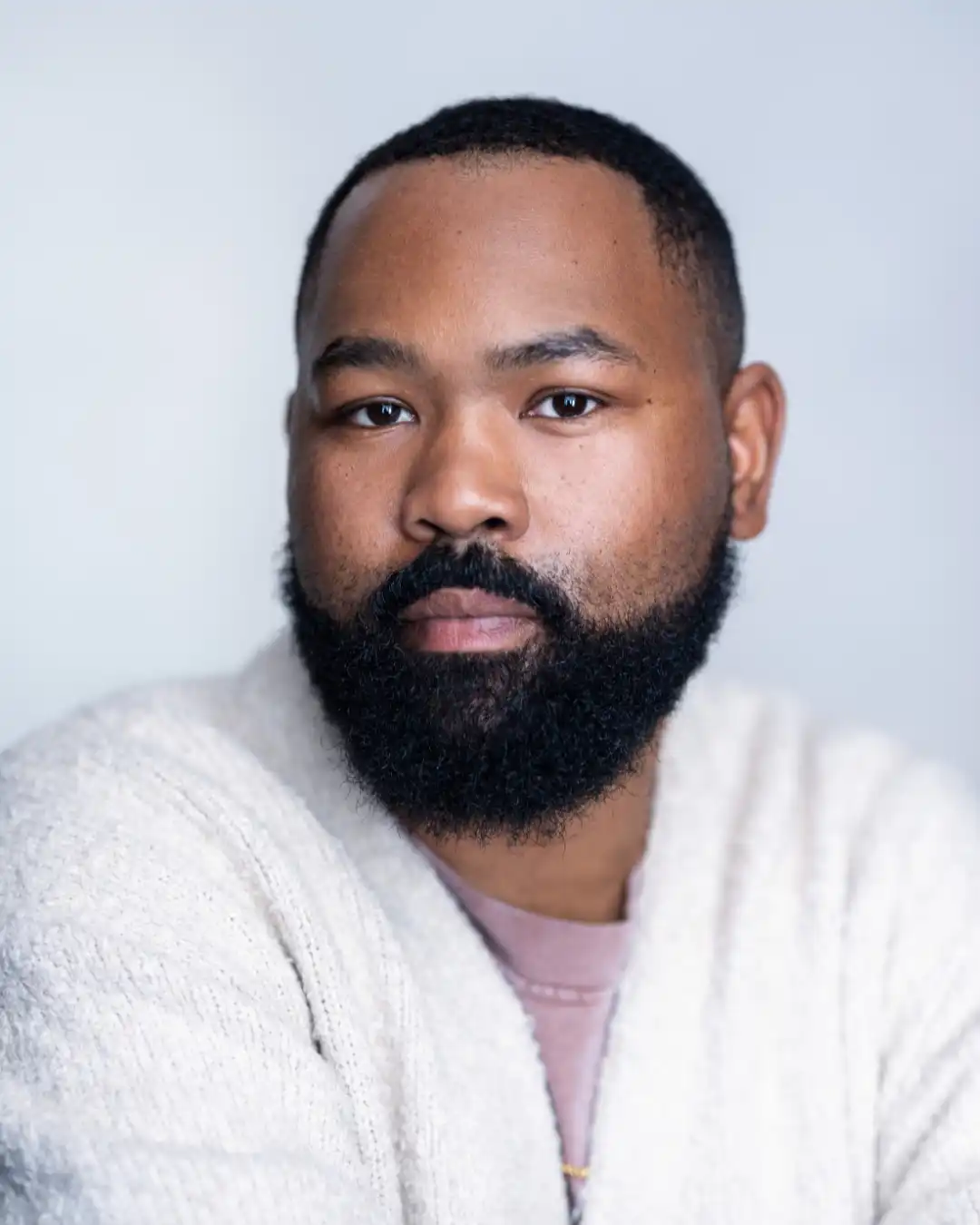
JuCoby Johnson
Playwright: Three-headed Monster (South Coast Repertory/Old Globe), The Red Man (Alliance Theatre)Alum, The Juilliard School
Cusi Cram
Playwright: Novenas for a Lost Hospital (Rattlestick Playwrights Theater)Alum, The Juilliard School

Amy Evans
Playwright: The Champion (TheatreSquared), Jet Fuel (Bishop Arts) 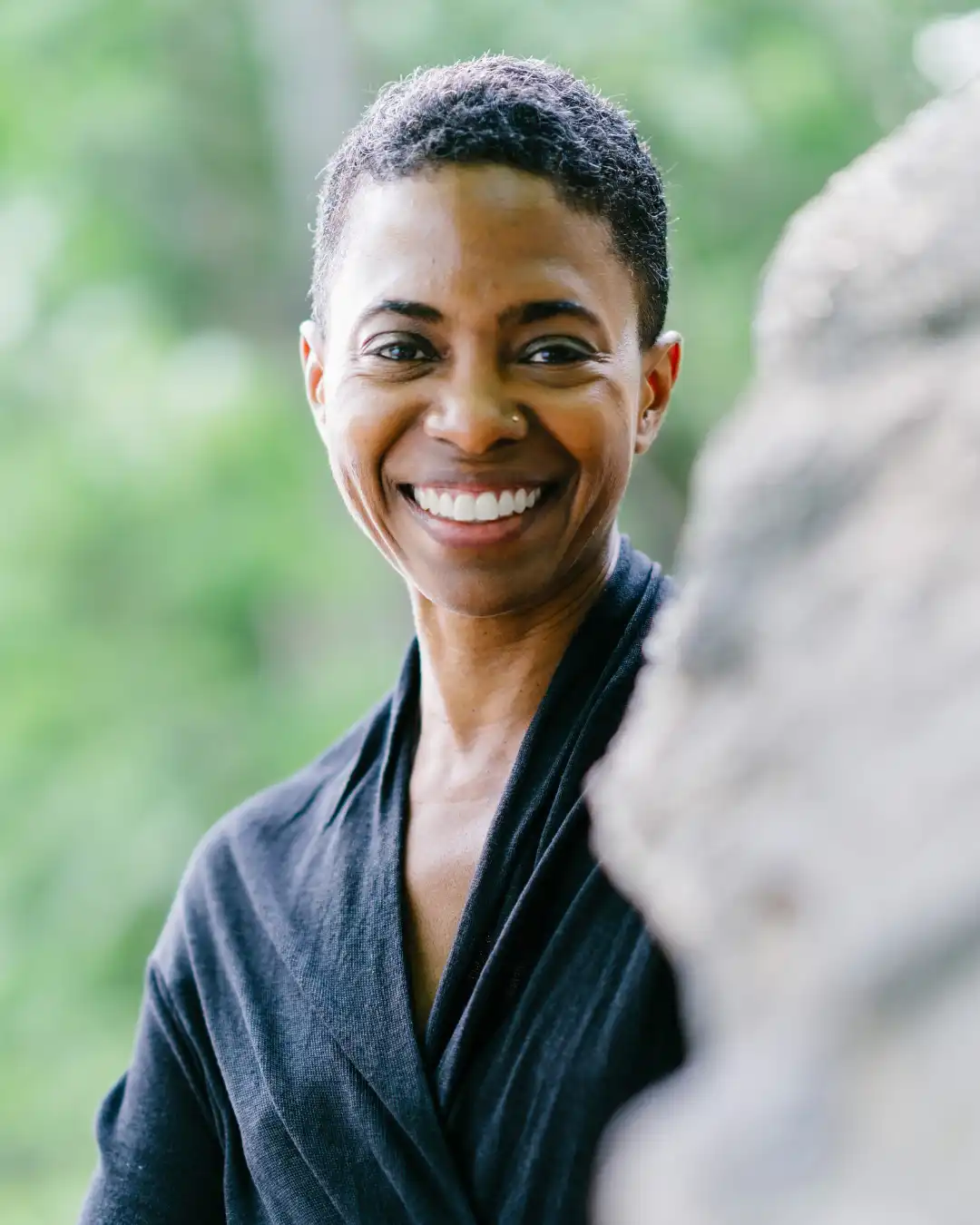
Beth Whitaker
Executive Director, Hudson Valley Writers Center 
Jackson Gay
Director: Little Women (Guthrie Theater), Hard Road to Heaven: The Musical (Bucks County Playhouse) 
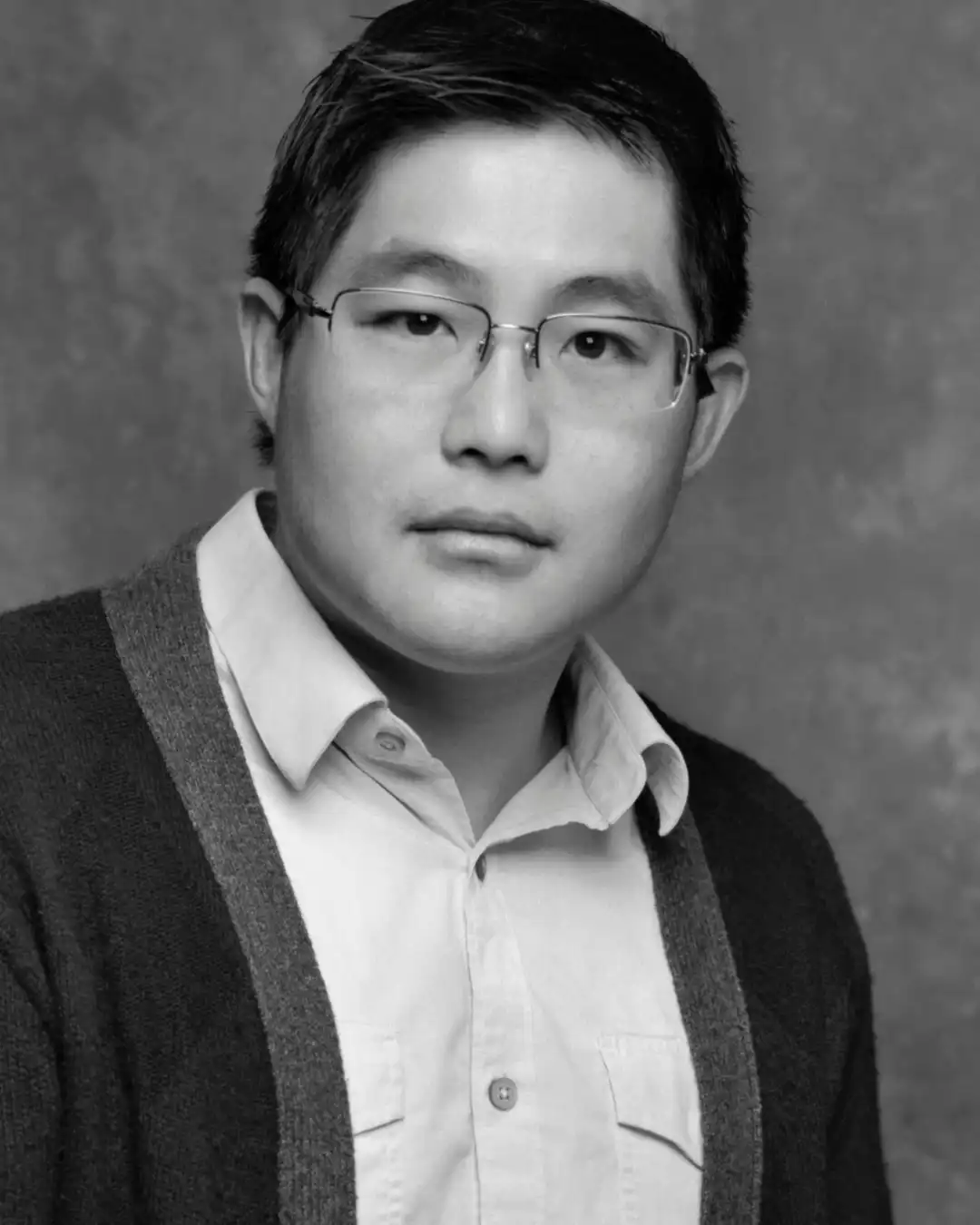
Mike Lew
Playwright: Teenage Dick (Apothetae Theatre Company), A Beat of Our Own (McCarter Theatre Center)Alum, The Juilliard School
Aneesha Kudtarkar
Director: A Thousand Maids (Two River Theater), [Veil Widow Conspiracy] (The National Asian American Theatre Company) 
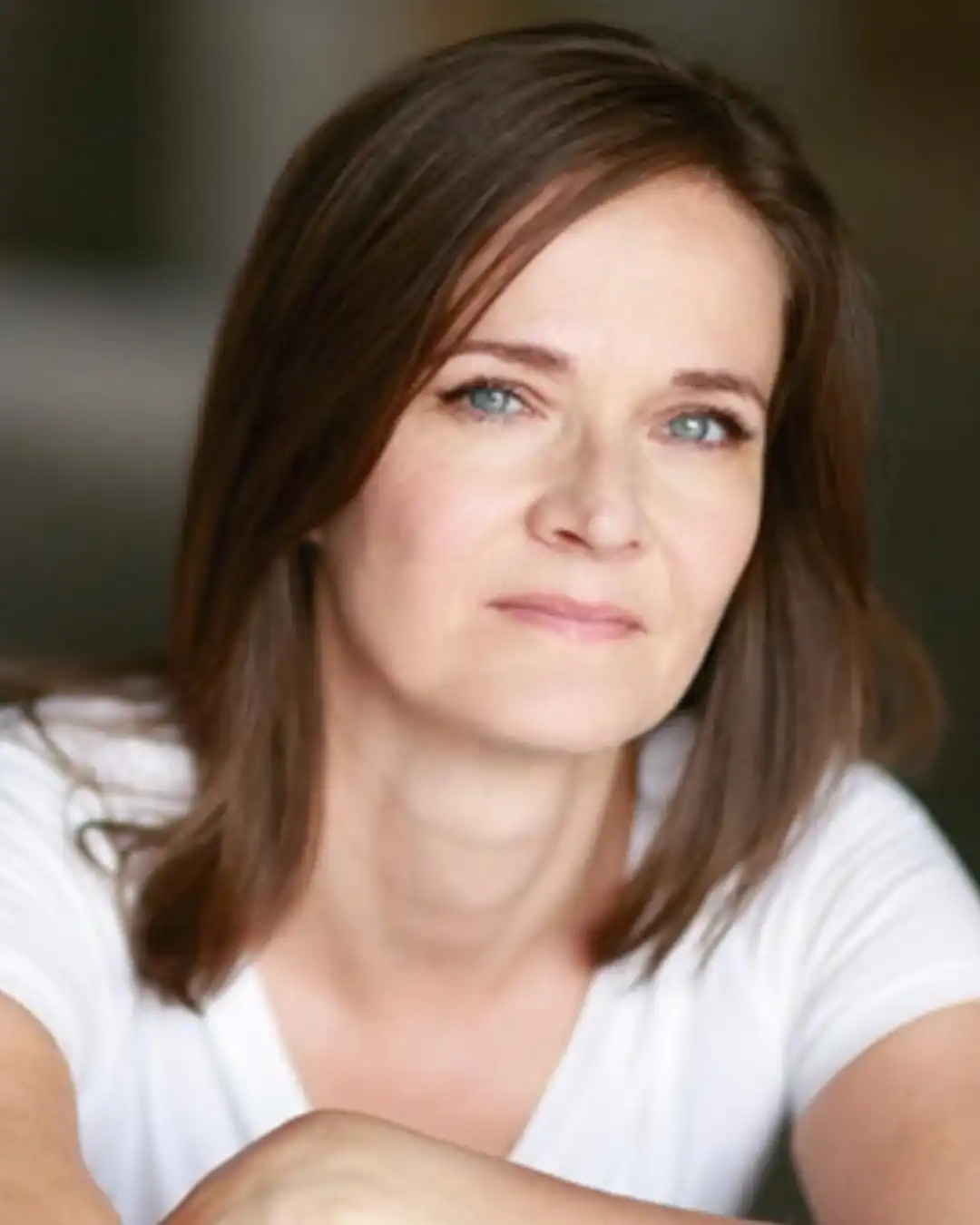
Enid Graham
Playwright: Smoke (Cadence Theater), Big Red (The Brennan Center for Justice)Alum, The Juilliard School
Forrest Malloy
Playwright: Sebastian (Tectonic), Nina (Theaterlab)Alum, The Juilliard School


Real-World Examples
Learn from working playwrights and core faculty from The Juilliard School as they explain how plays actually get started, how form and structure shape meaning, and what happens to a script once collaborators enter the room.

Get Started Now
Access all course videos, materials, and assignments online, on demand, so you can begin learning immediately and progress at the pace that fits your schedule.

Build Expertise
Work through structured, self-paced assignments that turn craft instruction into new pages, so every module leaves you with original writing rather than notes alone.

Set Yourself Apart
Earn a non-credit Certificate of Completion from Juilliard Extension and finish with a substantial original project plus a revision process you can return to for every draft that follows.
| Learn four distinct ways into a play: timed prompts, deep research, personal memory, and close observation of the world. Find out which approaches actually spark your own work, then use voice as a critical lens to recognize the images, questions, and characters that keep resurfacing in your writing, and to identify which material is worth building into a full play. |  |
| Examine the elements that shape a dramatic world: tone, time period, place, culture, and the internal rules that govern what can happen. Explore play script format as a creative choice, study how interior life becomes visible through behavior, and learn how dialogue, punctuation, and stage directions shape performance. You will finish the module with original scenes. | 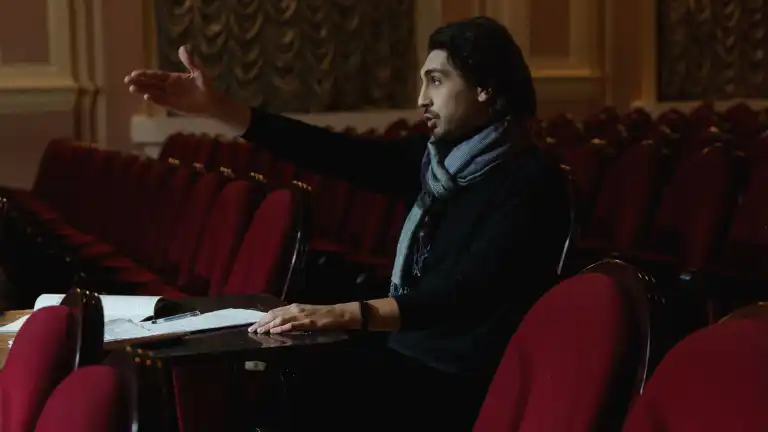 |
| Study a range of dramatic forms and ask what each one makes possible, from Aristotelian arcs and heroic journeys to episodic, non-linear, and experimental approaches. Then turn to adaptation, where the same questions become newly visible: what belongs to the source, what belongs to the stage, and how to navigate interpretation, authorship, and rights. |  |
| Understand the collaborative relationships that carry a play from draft to production. Examine what dramaturgs, directors, designers, and actors each bring to a script, and how those relationships can strengthen the work without compromising your voice. The module closes with a practical guide to staging a reading and hearing your work out loud. |  |
| Treat revision as its own craft. Explore how playwrights carry a script to a finished draft through retreats, daily habits, devising, and accountability groups, then learn to read feedback for the question underneath the note and decide what belongs to the work. Close by mapping the new play development ecosystem and building a writing practice that outlasts any single draft. |  |