
In partnership with
Dr. Nate Zinsser
Performance Psychology Expert 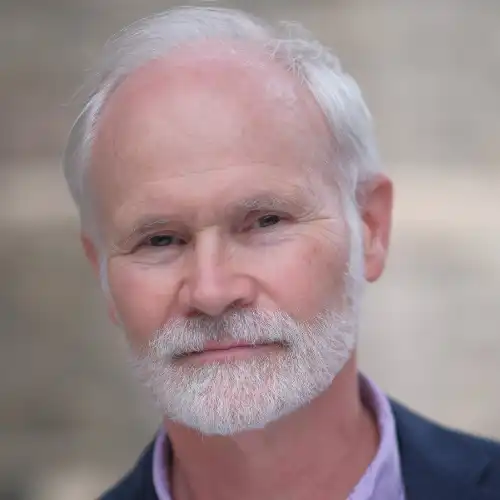
Dora Kamau
Lead Headspace Meditation Teacher 
Noa Kageyama
Performance PsychologistFaculty, The Juilliard School

Molly Carr
Violist, The Juilliard String QuartetFaculty, The Juilliard School

Brian McManamon
Actor, Acting Instructor and CoachFaculty, The Juilliard School

Hilary Hahn
Violin SoloistFaculty, The Juilliard School
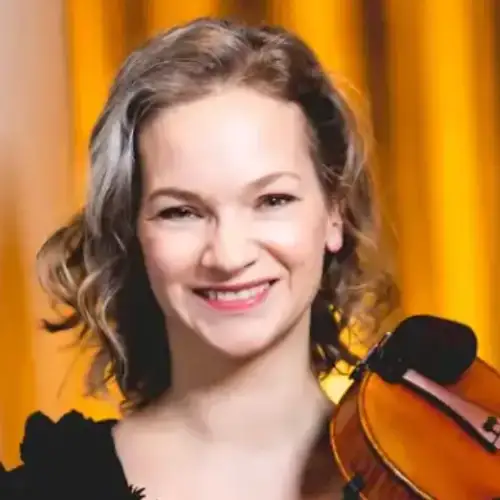
Micah Killion, PhD
Assistant Professor, Montclair State UniversityAlum, The Juilliard School
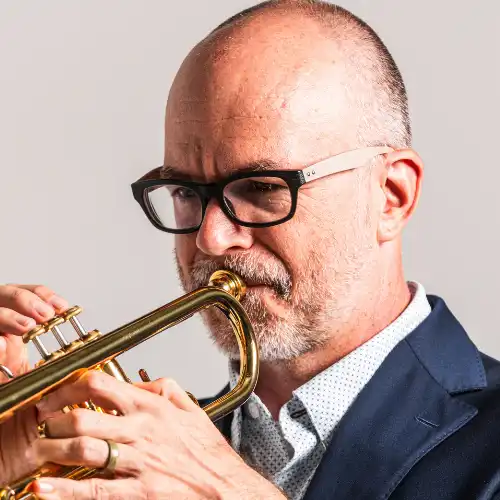
Joyce DiDonato
Mezzo-Soprano 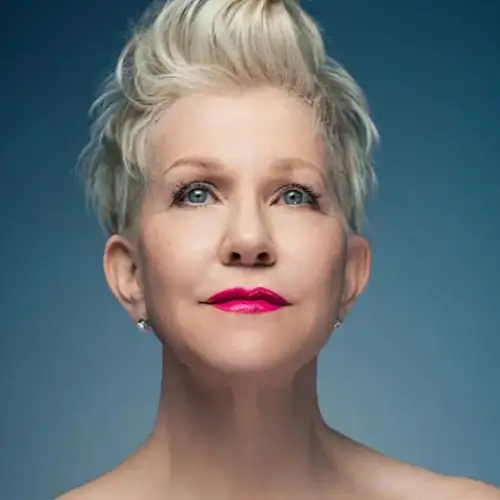
Thomas Vasiliades
Alexander Technique ExpertFaculty, The Juilliard School
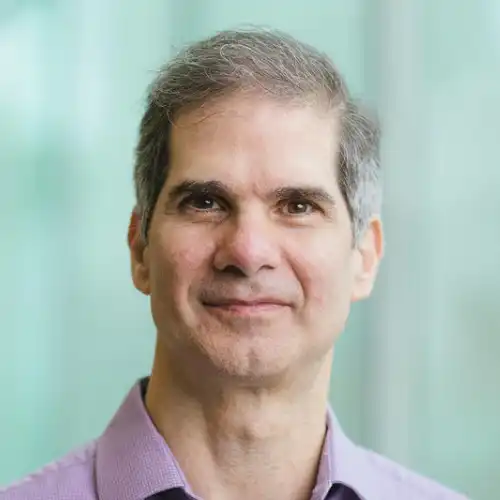
Melissa Toogood
Dean and Director of Dance, The Juilliard School 
Mark Olsen
Faculty, The Juilliard School 
Rachel Rubenstein
Executive Coach and Facilitator 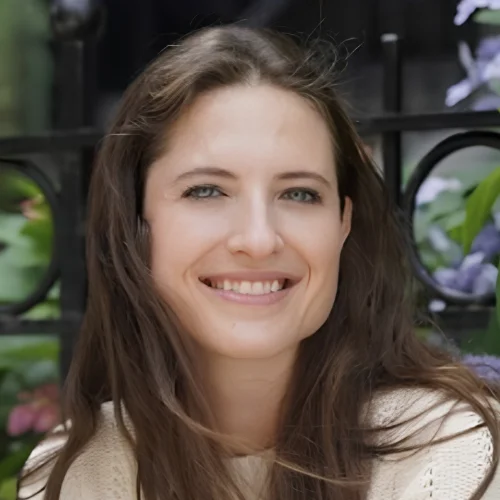
Dave Juncos
Clinical Psychologist, Researcher, Performance Coach 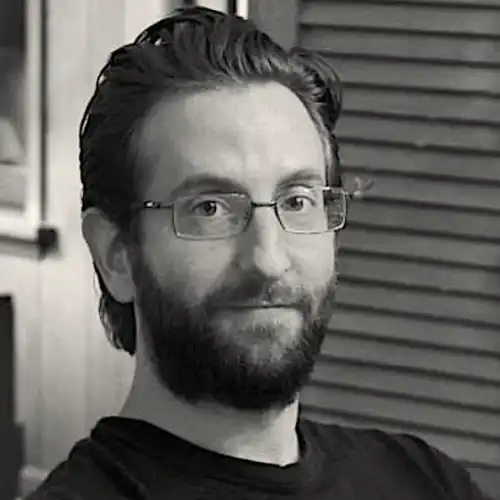
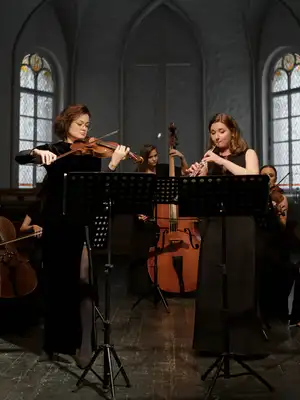
Real-World Examples
Learn from Juilliard faculty, performance psychologists, researchers, and accomplished artists as they explain why deeply learned skills falter under pressure and what experienced performers do about it.

Get Started Now
Access all course videos, materials, and assignments online, on demand, so you can begin learning immediately and progress at the pace that fits your schedule.

Build Expertise
Work through structured, self-paced assignments that turn performance psychology into practical tools, applied directly to a real performance, audition, presentation, or interview of your own.
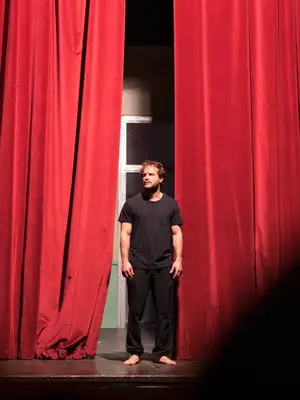
Set Yourself Apart
Earn a non-credit Certificate of Completion from Juilliard Extension and finish with a Personal Performance Psychology Plan you can return to for every high-stakes moment that follows.
| Examine why a skill that feels secure in practice can break down when it matters most. Learn how stage fright and performance anxiety actually work, including physical activation, worry, overthinking, distraction, and self-talk, then identify your own pressure pattern and separate outcome, performance, and process goals. | 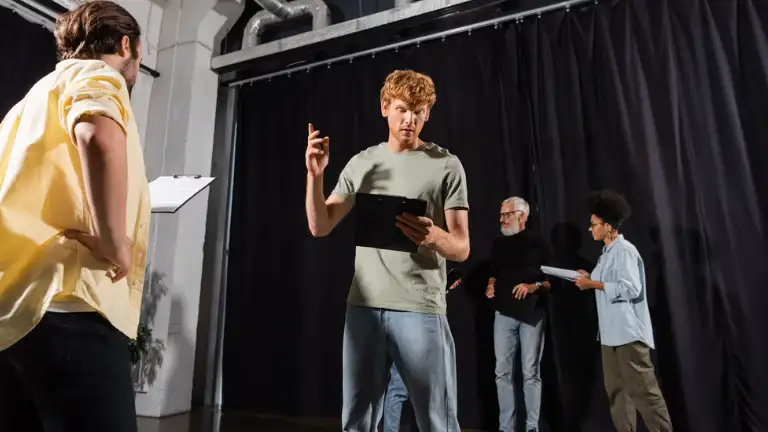 |
| Practice is not about time spent. It is about how effectively that time builds skill that lasts. Explore deliberate practice, self-regulated learning, variation, and rehearsal conditions that resemble the real performance environment, then redesign a week of your own preparation and test it against recorded evidence. | 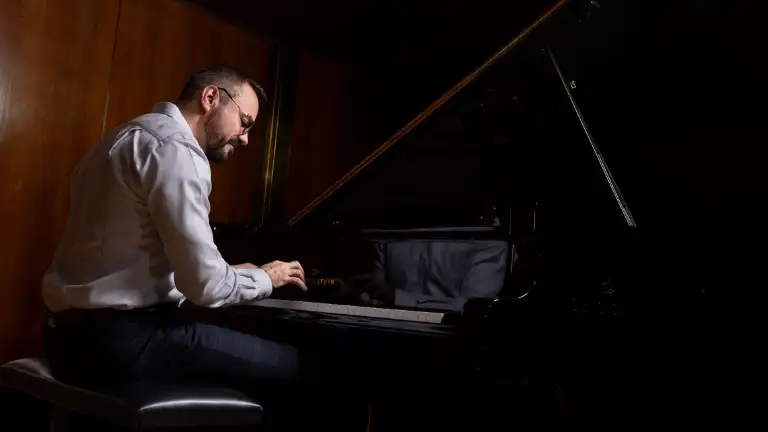 |
| Treat confidence as a skill you build and protect rather than a feeling that happens to arrive. Learn how mastery experiences, mental rehearsal, and constructive self-talk strengthen belief in your ability to perform, and how to answer setbacks, the inner critic, imposter syndrome, and perfectionism. | 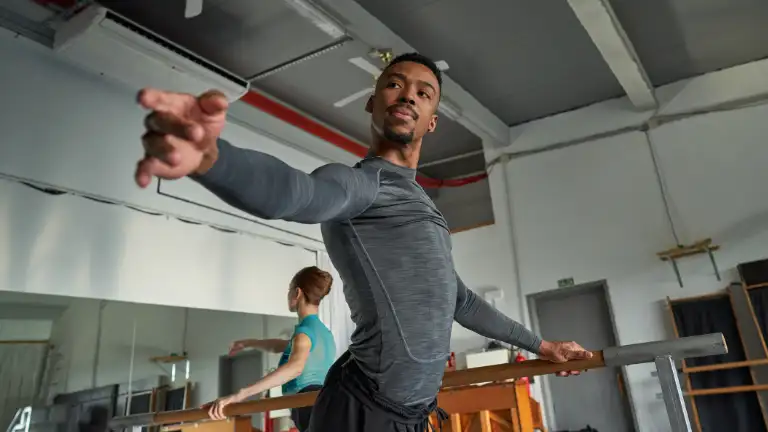 |
| Focus on the moments immediately before and during a performance. Identify your optimal level of activation, interpret nerves as readiness rather than something that must disappear, and build a short pre-performance routine and a refocusing plan that keep your attention on the work itself. | 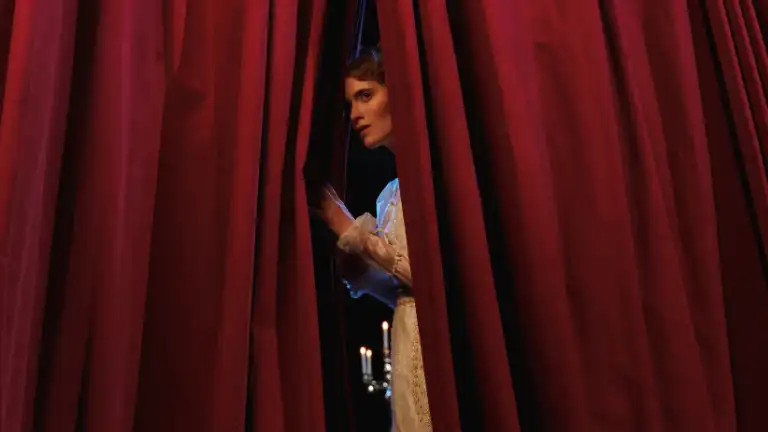 |
| A sustainable performance life depends on how you respond to setbacks. Examine resilience as a practiced system, evaluate performances without harsh self-criticism, recognize the early signs of burnout, and formalize a reusable post-performance review protocol. | 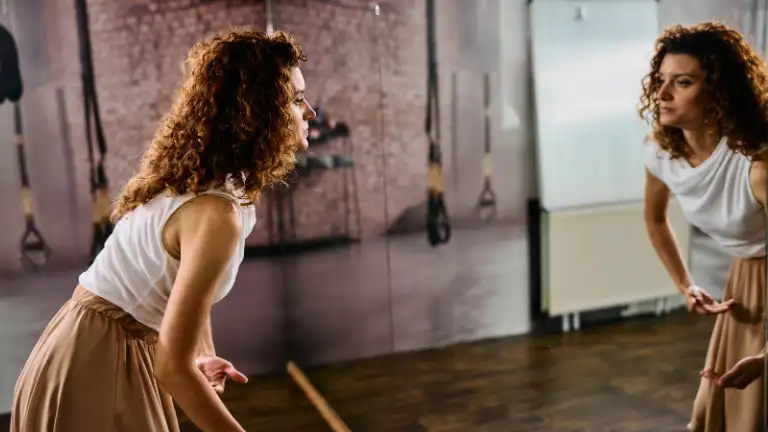 |
| Record a final full-length performance under the highest-pressure conditions you can realistically stage and compare it with your baseline recording from Module 1. Assemble every tool you have built into a living manual for how you prepare, perform, and recover. |  |